The early years of a child’s life are critical for building the foundation of future learning, behavior, and overall well-being. Research in child development consistently shows that children learn best when they are actively engaged in meaningful experiences. Among the most effective approaches is play-based learning, which encourages exploration, creativity, and problem-solving in a natural and enjoyable way.
As educational philosophies continue to evolve, parents, educators, and policymakers are increasingly recognizing the importance of creating environments that support learning through play. This approach not only enhances academic readiness but also contributes to social, emotional, and physical development.
The Science Behind Play-Based Learning
Play is far more than entertainment for young children. Developmental psychologists and education researchers have long emphasized that play serves as a primary vehicle for learning. During play, children experiment with ideas, practice communication, develop motor skills, and learn how to navigate social interactions.
Studies indicate that when children engage in self-directed and guided play activities, they develop stronger executive functioning skills, including memory, attention, and self-regulation. These abilities are essential for future academic achievement and everyday decision-making.
Furthermore, play stimulates neural connections in the brain, supporting cognitive growth during a period of rapid development. This makes play-based learning one of the most effective methods for fostering holistic childhood development.
Building Cognitive Skills Through Exploration
Children are naturally curious. When given opportunities to explore their surroundings, they begin to understand concepts such as cause and effect, patterns, and problem-solving.
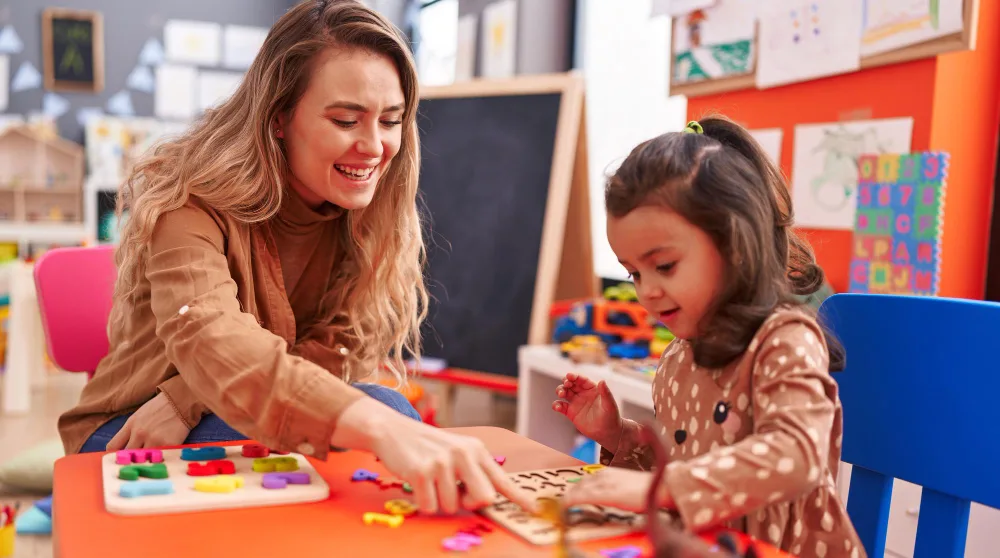
Activities like building structures, sorting objects, solving puzzles, and imaginative role-play encourage critical thinking. Through these experiences, children learn to test ideas, make predictions, and adapt their strategies when challenges arise.
Many educators incorporate structured childcare activities that encourage investigation and discovery. These experiences help children develop confidence in their ability to learn independently while strengthening their cognitive abilities.
Supporting Social and Emotional Development
Social interaction is a vital component of childhood learning. Through cooperative play, children learn important interpersonal skills such as sharing, empathy, negotiation, and teamwork.
Group activities provide opportunities for children to express emotions, understand different perspectives, and resolve conflicts in constructive ways. These experiences contribute to emotional resilience and help children build healthy relationships throughout their lives.
Children who regularly participate in collaborative learning environments often demonstrate stronger communication skills and greater emotional intelligence. These qualities can positively influence both academic performance and long-term social success.
Encouraging Physical Development
Physical activity plays an essential role in healthy childhood growth. Running, climbing, balancing, and manipulating objects help children strengthen both gross and fine motor skills.
Outdoor play environments encourage movement and exploration while supporting physical health and coordination. Activities such as drawing, cutting, stacking blocks, and handling small objects improve hand-eye coordination and dexterity.
By integrating physical movement into learning experiences, educators can support multiple areas of development simultaneously while helping children establish healthy habits from an early age.
The Role of Learning Environments
A well-designed learning environment can significantly influence children's engagement and development. Spaces that encourage exploration, creativity, and interaction allow children to take an active role in their learning journey.
Across many regions, including those offering daycare Queensland, there is growing emphasis on creating environments that balance structured learning opportunities with free play. This approach helps children develop independence while benefiting from guided educational experiences.
Flexible learning spaces, age-appropriate materials, and supportive adult interactions all contribute to positive developmental outcomes.
Preparing Children for Future Success
School readiness extends beyond learning letters and numbers. It involves developing a broad range of skills that enable children to adapt, communicate, collaborate, and solve problems effectively.
High-quality early learning child care programs increasingly focus on nurturing these competencies through developmentally appropriate practices. Rather than emphasizing academic instruction alone, they support children's overall growth and readiness for lifelong learning.
Research suggests that children who experience rich play-based learning environments often transition more successfully into formal education settings. They are better equipped to manage routines, engage with peers, and approach learning with curiosity and confidence.
Community Impact and Educational Trends
As awareness of early childhood development grows, communities are placing greater value on evidence-based educational practices. Parents are seeking environments that support holistic growth, while educators continue refining methods that align with contemporary research.
Many childcare centres in Brisbane and other urban areas are adopting child-centered approaches that prioritize engagement, creativity, and social development. These evolving practices reflect a broader understanding that meaningful learning occurs when children are actively involved in the process.
By fostering curiosity and encouraging exploration, play-based learning helps children build skills that extend far beyond the classroom.
Conclusion
Play-based learning remains one of the most effective approaches to supporting healthy childhood development. By promoting cognitive growth, social competence, emotional well-being, and physical health, it provides children with a strong foundation for future success.
As research continues to highlight the long-term benefits of learning through play, educators and families alike can appreciate its role in helping children become confident, capable, and lifelong learners.
Author Bio
The author Rob specializes in early childhood education and developmental learning research. With a focus on early learning child care, he regularly explores evidence-based practices that support positive outcomes for children and families.