
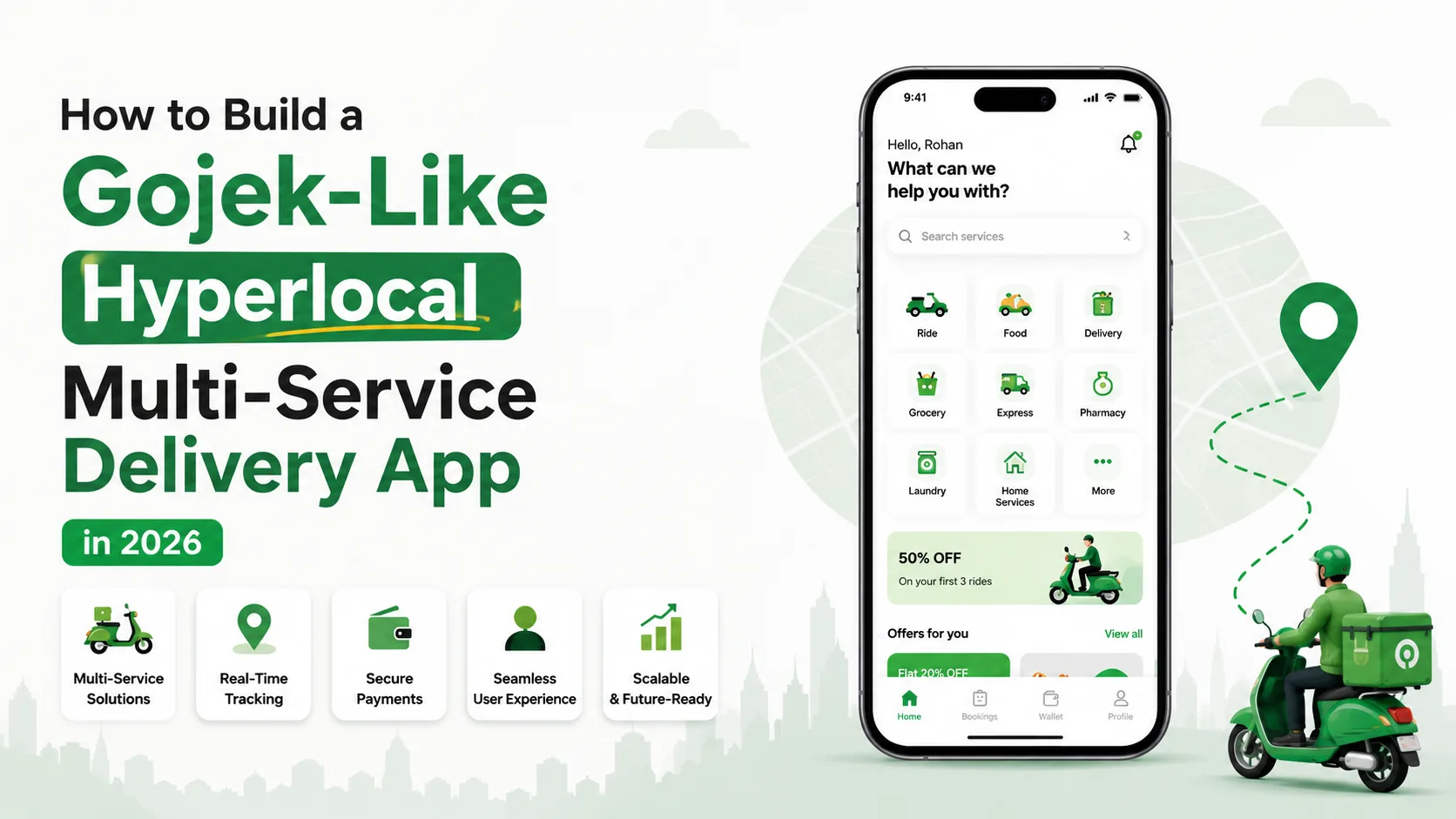
As we move into 2026, the hyperlocal delivery market is poised for unprecedented growth, driven by changing consumer behaviors and advancements in technology. With the success of multi-service platforms like Gojek, entrepreneurs and businesses are increasingly recognizing the potential of creating robust applications that cater to a diverse range of services—from food delivery to ride-hailing and beyond. This article will guide you through the essential steps to build a Gojek-like hyperlocal multi-service delivery app, covering everything from market analysis and key features to technology stack choices and effective marketing strategies, ensuring your venture stands out in a competitive landscape.
Understanding the Hyperlocal Delivery Market Landscape in 2026
Market Trends and Consumer Behavior
In 2026, the hyperlocal delivery market is like a bustling bazaar on a Saturday afternoon—fast, dynamic, and full of options. Consumers are increasingly favoring convenience, expecting instant gratification at their fingertips. With the rise of smart cities and AI-driven logistics, on-demand delivery isn’t just a luxury; it’s a must-have. Sustainability is also on everyone’s radar—eco-friendly delivery options are the new cool, attracting green-conscious consumers. If you're thinking of hopping into the hyperlocal scene, expect to cater to a populace that values speed, personalization, and a sprinkle of environmental responsibility.
Competitive Analysis: Key Players in the Industry
The hyperlocal delivery space in 2026 is akin to an epic game of chess, with several powerful players pulling off strategic moves. Gojek remains a frontrunner, but new challengers like Grab and local startups are nipping at its heels. Companies are diversifying their service offerings—think beyond food and transport to include groceries, medicine, and even personal services. Keeping tabs on competitors’ game plans is essential; after all, the best chess players anticipate their opponent's next move. So, gather your intel and prepare to play the long game.
Regulatory Considerations and Compliance Requirements
Regulations in the hyperlocal delivery market are like traffic lights—obey them, or you risk a chaotic crash. Expect a mixture of local laws and international standards regarding data privacy, labor rights, and food safety. The GDPR is still buzzworthy, but now you’ll also encounter newer regulations emphasizing sustainability practices and digital data security. Keeping abreast of these regulations isn't just good practice; it’s essential for building credibility and trust with your users. So, brush up on your legalese and make compliance your new best friend.
Key Features of a Gojek-Like Multi-Service Delivery App
Service Categories: Food, Transport, and Beyond
Your new app should be a multi-tool in a world of single-purpose gadgets. Feature primary services like food delivery and transport, but don’t stop there! Think about adding categories like groceries (because who has time to shop?), medicine delivery (because getting flu meds shouldn’t feel like climbing Everest), and personal services like beauty treatments. Create a one-stop-shop where users can find everything they need without downloading a hundred apps. It’s convenience, but with an extra sprinkle of “thank goodness, I found this!”
User Profiles and Customization Options
User experience is the name of the game, and customization is its MVP. Allow users to create profiles that adapt to their needs and preferences. Think saved favorites, personalized recommendations, and rewards systems that make them feel like royalty. This level of personalization not only enhances user satisfaction but also keeps them coming back for more. Remember, a happy app user is a loyal app user—so give them the keys to their own experience!
Real-Time Tracking and Notifications
In the age of instant updates, real-time tracking and notifications are non-negotiable features. Users want to know where their order is at all times, from the moment it’s prepared to when it’s being delivered. Incorporate intuitive maps, push notifications, and even friendly little updates along the way—think “Your driver is picking up your delicious meal, and they’re just five minutes away!” This kind of transparency not only builds trust but also adds a touch of excitement for the user.
Technology Stack: Tools and Frameworks for Development
Choosing the Right Backend Infrastructure
Choosing the right backend infrastructure for your app is like selecting the foundation for your dream house—get it wrong, and everything collapses. Opt for scalable solutions like Node.js or Python with Django, which can handle spikes in user traffic without breaking a sweat. Cloud hosting services, such as AWS or Google Cloud, are also your allies, providing flexibility and reliability. You want a robust backend that can grow with your app while keeping data safe and sound.
Selecting Frontend Technologies for Mobile Applications
The frontend of your app is its first impression—the slick suit that attracts users and keeps them coming back. Opt for popular frameworks like React Native or Flutter, which offer a seamless cross-platform experience while ensuring snappy performance. Focus on responsive design, because nobody likes pinching and zooming on tiny screens. Your app should look as good on a smartphone as it does on a tablet—think of it as your digital storefront.
Integration of APIs and Third-Party Services
APIs are the secret sauce in your app development recipe; they bring in functionalities that save time and add value. Payment gateways like Stripe or PayPal ensure users can pay without hiccups. Integrate mapping APIs for real-time tracking and consider services for user verification and analytics. These integrations enhance your app’s capabilities and improve user experience, so don’t skimp on this step. It’s the tech equivalent of putting marshmallows in hot cocoa—totally worth it.
User Experience Design: Creating an Intuitive Interface
Design Principles for User-Centric Applications
User experience design isn’t rocket science, but it does require some serious thought. Always keep the user at the heart of your design process—think simple, clean interfaces that enhance usability. Stick to familiar patterns that feel intuitive, ensuring users can navigate without scratching their heads. Color schemes and typography should be accessible and appealing, making users feel right at home. Remember, a well-designed app reduces frustration and increases engagement.
Prototyping and Usability Testing
Before launching your app into the wild, give it a test run! Prototyping is your chance to catch any pesky issues before users do. Use tools like Figma or Sketch to create clickable prototypes and get feedback from real users. Conduct usability testing—watching people use your app can reveal insights you might’ve missed in the design phase. It’s like having a crystal ball for what works and what doesn’t, allowing you to perfect your masterpiece before unveiling it to the world.
Accessibility and Inclusivity in Design
Design shouldn’t just cater to the mainstream; it should welcome everyone. Incorporating accessibility features means your app can be used by individuals with disabilities—think screen reader compatibility, grammatically-appropriate alt text for images, and colorblind-friendly designs. Inclusivity isn’t just the right thing to do; it widens your userbase and shows you care about all potential customers. A great app is for everyone, so make sure yours doesn’t leave anyone out in the cold!
Implementing Payment Solutions and Security Protocols
Payment Gateway Options and Integration
When it comes to selecting the right payment gateway for your Gojek-like app, think of it as picking a dance partner: you want one that moves smoothly with you. Consider options like Stripe, PayPal, and local payment gateways that cater to your target market. Integrating these gateways should be like putting together a jigsaw puzzle—everything should fit seamlessly into the app ensuring a smooth transaction experience. Don’t forget to include popular mobile wallets too; everyone loves a quick tap and pay!
Data Security and User Privacy Measures
In a world where data can vanish faster than your last slice of pizza, securing user data is paramount. Implement end-to-end encryption along with secure sockets layer (SSL) certificates to protect sensitive information. Additionally, it’s wise to comply with regulations such as GDPR or CCPA, because privacy policies are like air; we all know we need them, but no one wants to talk about it until it's too late!
Fraud Prevention and Risk Management Strategies
Fraud is like that annoying party crasher who just won’t take the hint. To keep them at bay, employ machine learning algorithms to identify suspicious activities. Implement two-factor authentication and monitor transactions in real-time to nip any shady business in the bud. This way, while you’re busy growing your business, you won’t have to peek over your shoulder every five seconds!
Strategies for Partnering with Local Service Providers
Identifying and Vetting Potential Partners
Finding the right local service providers is like dating—you have to kiss a few frogs to find your prince. Start by researching local companies that align with your app's offerings. Look for customer reviews and ratings as your guiding stars. Conduct interviews and site visits to see if they really do what they say, without the smoke and mirrors!
Negotiating Terms and Service Level Agreements
Once you’ve found those promising partners, it’s all about sealing the deal. Approach negotiations with a win-win mindset—because no one wants to be the villain in a negotiation saga. Clearly define expectations in service level agreements (SLAs), and don't shy away from discussing penalties for non-compliance. Just remember, it's all about balancing fairness and firmness—like the perfect handshake!
Building Long-Term Relationships with Providers
Think of your local service providers as your business family—something you want to build for the long haul. Regular check-ins and open communication can help foster these relationships. Consider providing incentives for performance and loyalty; after all, who doesn't love a good bonus? Strong partnerships can be the backbone of your app, ensuring reliability in services and happier customers.
Marketing and Customer Acquisition Tactics
Utilizing Digital Marketing Channels Effectively
In the digital age, marketing is your megaphone. Utilize social media, email campaigns, and SEO strategies to shout about your app from every digital rooftop. Create engaging content that connects with your audience—think memes, videos, and catchy slogans. Just remember, a little humor goes a long way in making your brand relatable and shareable!
Building a Strong Brand Identity
Your brand identity is the face of your app, so make it count! Develop a memorable logo, choose colors that scream your vibe, and ensure your messaging resonates with your audience. Consistency is key; make sure every touchpoint reflects your brand’s personality, whether it’s a notification or a customer service interaction. After all, first impressions last longer than a late pizza delivery!
Engaging with Customers through Promotions and Loyalty Programs
Everyone loves a good deal, so create promotions that will entice users to give your app a try. Whether it’s discounts, referral bonuses, or loyalty rewards, make sure customers feel appreciated. A loyalty program can transform casual users into die-hard fans, giving them a reason to return—like that favorite cozy blanket they can’t live without.
Future Trends and Innovations in Multi-Service Delivery Apps
Impact of Artificial Intelligence and Machine Learning
AI and machine learning are like the brains behind the operation, capable of making your app smarter and more efficient. With predictive analytics, you can anticipate customer needs and optimize delivery routes. Chatbots can enhance customer service, providing instant responses and easing the human workload. It’s like giving your app a crystal ball!
Sustainability Practices in Delivery Services
As we move toward an eco-conscious world, integrating sustainability practices is essential. Consider using electric vehicles, optimizing delivery routes to reduce carbon footprints, and utilizing recyclable packaging. Not only will this appeal to environmentally-conscious consumers, but it’ll also ensure your app is on the right side of history—because nobody wants to be the villain in a climate crisis!
Emerging Technologies: AR, VR, and Beyond
The future is bright and a bit sci-fi! Incorporate augmented reality (AR) and virtual reality (VR) to enhance user experiences—imagine users being able to preview items in their home before purchasing. Keep an eye on other tech trends too, like blockchain for increased transparency and drones for speedy deliveries. The possibilities are endless, just like that to-do list you keep avoiding!In conclusion, building a Gojek-like hyperlocal multi-service delivery app in 2026 presents both exciting opportunities and unique challenges. By understanding the market landscape, focusing on user experience, and leveraging the right technologies, you can create a platform that meets the needs of your customers and partners alike. As you embark on this journey, staying adaptable and innovative will be key to navigating the ever-evolving landscape of multi-service delivery. With the right strategies in place, your app can thrive and make a significant impact in the local community.
Frequently Asked Questions (FAQs)
What is a hyperlocal multi-service delivery app?
A hyperlocal multi-service delivery app is a platform that offers various services, such as food delivery, ride-hailing, and home services, all within a localized area. It connects users with service providers in their vicinity, making it convenient to access multiple services through a single application.
How much does it cost to develop a Gojek-like app?
The cost of developing a Gojek-like app can vary significantly based on factors such as the complexity of features, technology stack, and the development team’s location. On average, the development can range from tens of thousands to several hundred thousand dollars, depending on the specifications and requirements.
What key features should be included in my delivery app?
Essential features for a delivery app include user registration and profiles, real-time tracking, service categorization, secure payment options, in-app messaging, and customer support. Additionally, integrating features like ratings and reviews can enhance user experience and trust.
How can I effectively market my multi-service delivery app?
Effective marketing strategies for your app include leveraging social media platforms, using influencer partnerships, implementing targeted digital advertising, offering promotions and discounts, and engaging with customers through loyalty programs. Building a strong brand identity and encouraging word-of-mouth can also contribute to your app's success.