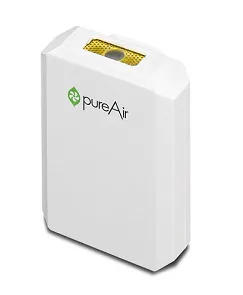
Indoor air often holds dust, pollen, pet dander, odors, and tiny particles, which include those created through cooking, cleaning chemicals, pets, construction materials, and moisture, as well as outdoor air. Before you go to buy an air purifier for home, figure out what you actually want to fix. Each air purifier should be assessed depending on technology, space compatibility, sound, airflow, and maintenance requirements. Air purification helps, but one requires fresh outdoor air too.
What should you know before you buy a home air purifier?
Focus on your house before you look at products. Daily life shapes your indoor environment. Cooking sends fine dust into the air. Pets drop dander everywhere. Household sprays emit chemical gases. Damp spots can quickly host mold.
Before you buy a home air purifier, ask yourself these basic questions:
- Which specific indoor air issues do I face?
- Which exact room needs help?
- How large is the space involved?
- What cleaning technology does it use?
- What upkeep will it demand?
Clear answers help you spot real value without trusting slick sales ads.
Understand how the air-cleaning technology works
Air purifiers clean your living space in vastly different ways. Most standard models use simple passive filters. Air moves through a filter to capture unwanted particles. The results depend on filter quality, room size, airflow, and overall runtime.
Healthier Fresh Air Indoors relies on Multi-Cluster Ionization, or MCI. Brand documents state that MCI uses special barrier ionizers to generate charged particles. The machine blends ionization with photocatalytic action to target dust, bad smells, germs, and chemicals.
This difference is important. When you buy an air purifier for home, do not follow words such as "advanced" or "powerful." Learn how the mechanism functions and what specific problems it truly fixes.
Check room coverage and airflow
A purifier must match the physical space where it works. Small bedrooms need far less power than big open rooms. An undersized unit will fail to keep your space fresh.
Review stated coverage limits and airflow metrics before buying a purifier. For basic particle filters, check the Clean Air Delivery Rate (CADR) to consider top models.
Placement is crucial too. Keep the unit in a more open area, with free air movement around it. Follow the manufacturer’s instructions for routine care, cleaning, and safe daily operation.
Look at the long-term cost
The initial price tag is only part of your real expense. Check if you must replace filters, wash parts, buy spares, or pay for service. Energy bills and fan noise matter also when running a unit all day long.
When you buy a home air purifier, compare long-term costs as closely as the front sticker price. A reliable unit that fits your daily routine gives better overall value than a cheap model that proves hard to maintain over time.
Remember the source of the problem
An air purifier cannot solve root structural issues inside a house.
For example, a purifier can capture floating dust, but it will not fix a leaking pipe or block moisture from entering the room. IF you find visible mold, water stains, or stale smells, you must address the actual leak.
This is why good indoor air demands a complete system. Stopping sources, bringing in fresh air, keeping humidity low, and running filters all play unique roles.
When is professional IAQ guidance useful?
Air problems are not always simple to diagnose by yourself. You might notice bad odors and not really know if it’s dust, dampness, harsh chemicals, or just poor humidity levels.
Healthier Fresh Air Indoors has handled local air quality issues since 2003. Our crew holds recognized certifications, including NORMI-certified IAQ and Mold Inspector training, allergen testing and IAQ training, and indoor testing work. We inspect a wide range of conditions, including dust, smells, microbes, chemicals, heat, and moisture.
That hands-on experience gives real clarity when you feel unsure about proper steps. Rather than guessing from a store box, discover what your home needs first to improve air quality.
Final thoughts
When you buy an air purifier for home, look beyond marketing claims on the product box. Consider your main air issues, room size, airflow, technology, maintenance, noise, and long-term cost. Most of all, learn what a filter can and cannot fix.
If you want to buy a home air purifier, take your time to match the system capabilities to your space. If you cannot find the root cause of an issue, expert help offers a solid start. Healthier Fresh Air Indoors can evaluate your space so you make a smart choice.
Frequently Asked Questions
Q1: What should I consider before I buy an air purifier for home?
Check the room size, coverage, airflow, technology, noise, energy use, and maintenance needs. Also identify the pollutants you want the system to address.
Q2: Is it worth it to buy home air purifier?
It can be useful when airborne particles or other indoor air concerns are present. The right system depends on the home's conditions, room size, and type of pollution.
Q3: What type of air purifier is best for a home?
There is no single system that suits every home. Compare the technology with your specific indoor air concerns. Healthier Fresh Air Indoors uses MCI technology as one approach to indoor air treatment.
Q4: Can an air purifier remove mold from a home?
An air purifier may help address some airborne particles, but it cannot correct the moisture source or remove established mold growth. Moisture problems should be addressed separately.
Q5: Should I run an air purifier all day?
Operating time depends on the system, room conditions, and manufacturer's instructions. Longer operation can provide more air cleaning, but noise, energy use, and maintenance should also be considered.