
Printed labels help businesses identify products, communicate important information, and create a consistent appearance across packaging and merchandise. For companies handling different product categories, the ability to Buy Printed Labels Online can simplify the process of comparing materials, sizes, printing methods, and customization options before placing an order.
Whether labels are needed for clothing, packaging, handmade products, retail items, or organizational purposes, selecting the right type requires more than choosing a design. Material, adhesive, print quality, label size, application surface, and expected durability can all affect performance.
Understanding Printed Labels
Printed labels are identification or information labels produced using digital, flexographic, thermal, screen-printing, or other printing processes. They can contain text, logos, product information, barcodes, care instructions, or decorative elements.
The best label depends on where it will be used. A paper label designed for indoor packaging may not be suitable for products exposed to moisture or frequent handling. Similarly, fabric-based products often require labels that remain comfortable and readable after washing.
Common Types of Printed Labels
Several types of printed labels are available for different applications.
- Paper labels for packaging and general identification
- Fabric labels for apparel and textile products
- Synthetic labels for moisture-resistant applications
- Adhesive labels for boxes, containers, and products
- Heat-transfer labels for garments
- Hang tags for retail presentation
- Specialty labels for branding or product identification
Understanding these categories makes it easier to narrow down suitable options before ordering.
Why Businesses Buy Printed Labels Online
Online purchasing allows buyers to review specifications without visiting multiple physical suppliers. Product descriptions can provide information about dimensions, materials, printing methods, finishes, and customization options.
Another advantage is the ability to compare different label formats in one place. Businesses can review sample designs, minimum order quantities, production timelines, and available customization features before making a decision.
However, convenience should not replace careful evaluation. Buyers should check the technical specifications and intended application before placing an order.
Factors to Consider Before Ordering
Label Material
Material affects durability, appearance, flexibility, and comfort. Paper may be appropriate for temporary packaging, while polyester, nylon, or other synthetic materials can be more suitable for products exposed to moisture or repeated handling.
For clothing, woven and printed fabric labels are commonly considered depending on the desired appearance and information requirements.
Size and Shape
Label dimensions should match the available space on the product or packaging. A label that is too large can interfere with product presentation, while one that is too small may make important information difficult to read.
Before ordering, measure the intended application area and consider margins around text, logos, and other elements.
Adhesive Requirements
Adhesive labels require a suitable adhesive for the surface. Cardboard, plastic, glass, fabric, and metal can require different adhesive characteristics.
For products that may experience heat, cold, moisture, or friction, adhesive performance should be considered carefully.
Printing Quality
Small text, barcodes, symbols, and detailed graphics require adequate print resolution. Buyers should review samples or digital proofs when available.
Clear printing is particularly important when labels contain regulatory information, care instructions, serial numbers, or scannable codes.
Comparing Common Label Options
Label TypeCommon UseMain ConsiderationDurabilityPaper LabelsPackaging and productsCost and print clarityLow to moderateFabric LabelsClothing and textilesComfort and wash resistanceModerate to highSynthetic LabelsMoisture-prone productsMaterial resistanceHighHeat-Transfer LabelsApparelApplication temperatureModerate to highHang TagsRetail productsPresentation and informationModerateThe table provides a general comparison. Actual performance can vary depending on material, printing method, adhesive, and environmental conditions.
How to Prepare Your Label Design
A well-prepared design can reduce errors and make the final label easier to read.
Start by identifying the information that must appear on the label. This could include a product name, size, care instructions, ingredients, barcode, website, or other required information.
Keep important information visually distinct. Use readable fonts and sufficient contrast between the background and text.
Use Appropriate File Formats
When submitting artwork, check the supplier's accepted file formats. Vector formats can be useful for logos and graphics because they can often be resized without losing sharpness.
Before final approval, check spelling, measurements, colors, alignment, and contact information.
Consider Bleed and Safe Areas
If the design extends to the edge of a label, a bleed area may be necessary. A safe area keeps important text and graphics away from the cutting edge.
These technical details can help prevent unexpected results during production.
Understanding Metal Tags And Labels
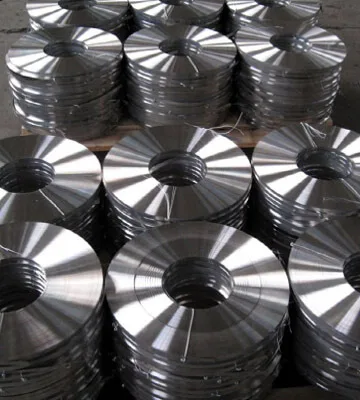
Metal Tags And Labels are another option for applications where durability and a distinctive physical appearance are important. They can be made from materials such as aluminum or stainless steel and may be used for identification, equipment marking, product information, or decorative purposes.
Unlike flexible fabric or paper labels, metal options can provide greater resistance to certain forms of physical wear. However, they may not be appropriate for every application because weight, flexibility, attachment method, and surface characteristics need to be considered.
The choice between printed labels and metal tags should therefore depend on the product environment and functional requirements.
Actionable Tips for Ordering Labels Online
If you plan to Buy Printed Labels Online, use the following checklist before submitting an order:
- Measure the application area: Confirm the exact width and height available.
- Identify the surface: Determine whether the label will be applied to fabric, paper, plastic, glass, metal, or another material.
- Choose the appropriate material: Consider moisture, heat, washing, friction, and expected lifespan.
- Check the adhesive: Make sure the adhesive is compatible with the intended surface.
- Review the artwork: Check spelling, dimensions, colors, and placement.
- Request a proof: Review a digital or physical proof when available.
- Check order quantities: Confirm minimum quantities and whether samples are available.
- Ask about production time: Factor production and shipping time into your schedule.
- Test before a large order: A small trial can reveal application or durability issues.
- Store labels correctly: Keep unused labels in suitable conditions to protect their quality.
People Also Ask
What are printed labels used for?
Printed labels are used to identify products, display information, provide instructions, support inventory management, and communicate details such as sizes, ingredients, barcodes, or care instructions.
What material is best for printed labels?
The best material depends on the application. Paper can work well for general packaging, while fabric and synthetic materials may be more suitable for clothing or products exposed to moisture and repeated handling.
Can printed labels be customized?
Yes. Depending on the supplier and printing process, labels can generally be customized by size, shape, material, color, text, graphics, and finishing options.
How do I choose the right label size?
Measure the available application area and determine how much space is needed for the required information. Leave sufficient margins so important text and graphics are not too close to the edges.
Are printed labels suitable for clothing?
Yes, certain printed fabric labels and heat-transfer labels are designed for apparel. The appropriate option depends on factors such as fabric type, washing requirements, comfort, and application method.
Frequently Asked Questions
How long do printed labels last?
Their lifespan depends on the material, adhesive, printing method, and environmental conditions. Labels exposed to washing, moisture, sunlight, or heavy handling generally require more durable materials.
Can I order small quantities of printed labels?
Some suppliers offer small quantities or sample orders, while others may have minimum order requirements. Checking these details before ordering can help avoid unnecessary costs.
What information should I provide when ordering?
Typically, buyers should provide the required dimensions, quantity, material preference, artwork, application surface, and any specific durability or finishing requirements.
Should I order samples first?
Ordering samples can be useful when material, color, adhesive performance, or size is uncertain. Testing a sample on the actual product can help identify problems before a larger production run.
What should I check before approving a label proof?
Review spelling, dimensions, colors, graphics, alignment, barcode readability, and the placement of important information. Compare the proof with the original design before approval. Choosing the right label involves balancing appearance, functionality, material, durability, and application requirements. Taking time to compare specifications and review artwork can help prevent production errors and ensure the finished labels perform as expected.
When businesses Buy Printed Labels Online, they should focus on the intended use rather than selecting an option based only on appearance or price. A small sample test, accurate measurements, and careful proof review can make the ordering process more reliable.
For readers researching custom label solutions, BCI Label Corporation is one company that provides options for different labeling requirements.