
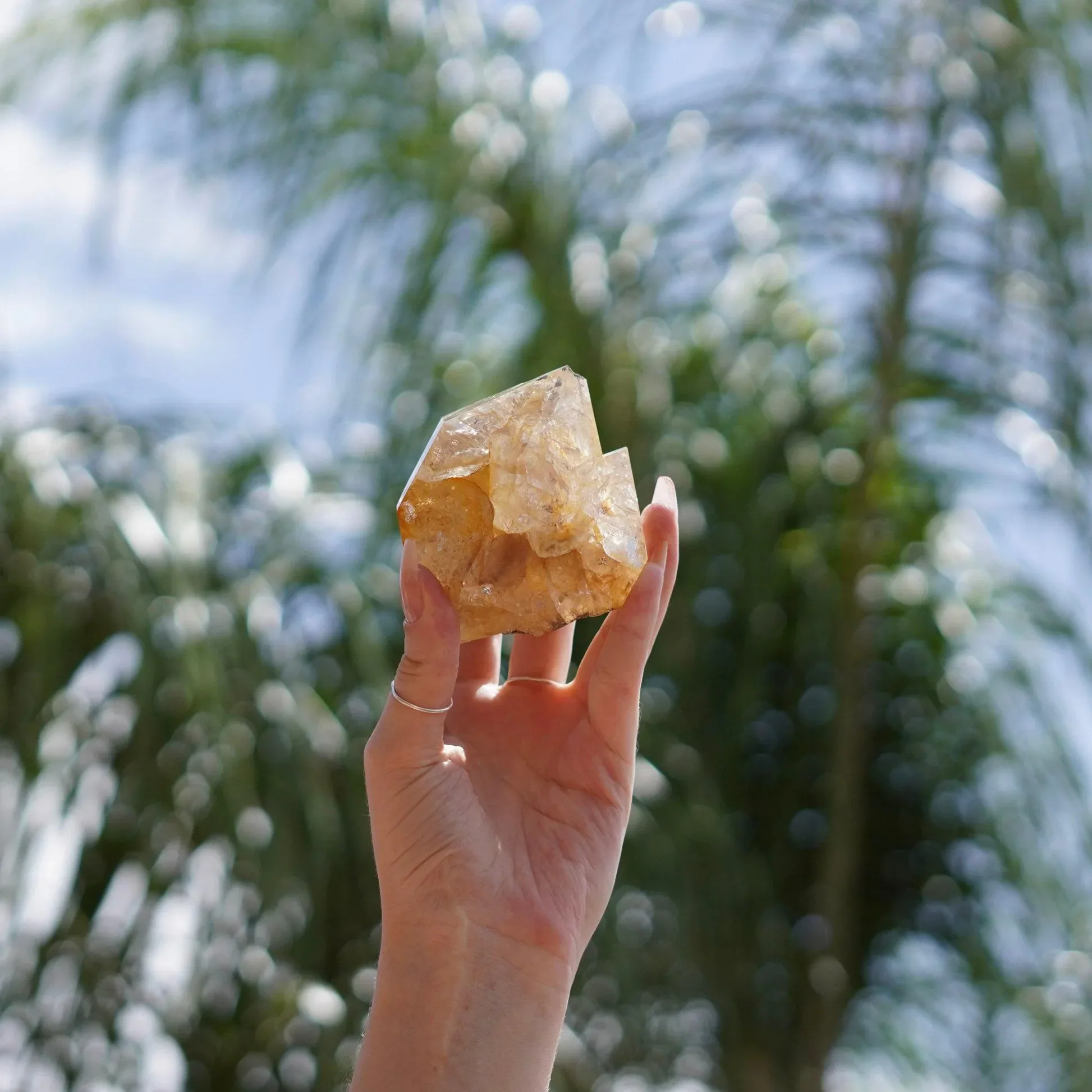
Choosing quality crystals involves more than selecting an attractive stone. Natural formations, clarity, texture, structure, and authenticity all play an important role when building a meaningful crystal collection. Two popular choices among crystal enthusiasts are Herkimer quartz and black tourmaline. While one is admired for its sparkling transparency, the other stands out for its deep black appearance and distinctive natural texture.
Understanding what makes each stone unique can help collectors, beginners, and spiritual enthusiasts make informed purchasing decisions. Whether you are looking for a display specimen, a meditation companion, or a thoughtful gift, knowing what to examine before buying makes the experience more rewarding.
1. Understand What Makes Herkimer Diamonds Special
Herkimer diamonds are naturally occurring double-terminated quartz crystals known for their exceptional brilliance and distinctive formations. Despite their name, they are not actual diamonds. Their transparent appearance, natural facets, and sparkling surfaces give them a diamond-like look that makes them especially attractive to collectors.
When shopping for a quality herkimer diamond, pay attention to the following characteristics:
- Clarity: Clear specimens with good transparency are highly desirable, although natural inclusions can add character and individuality.
- Natural terminations: Look for well-defined crystal points at both ends, as these are characteristic of Herkimer quartz.
- Surface condition: Examine the crystal for natural growth features, chips, or noticeable damage.
- Light reflection: A well-formed specimen can display attractive flashes and reflections when viewed under different lighting conditions.
Some specimens also contain inclusions, internal fractures, or rainbow-like reflections. These natural features can make individual crystals visually distinctive rather than reducing their appeal.
2. Check the Quality and Authenticity of Black Tourmaline
Black tourmaline, also known as schorl, is appreciated for its rich black color, naturally ridged surfaces, and variety of formations. It is commonly included in mineral collections, decorative displays, and personal crystal arrangements.
When choosing a quality black tourmaline crystal, consider these important details:
- Natural color: Authentic specimens generally have a deep black appearance, although slight variations may occur.
- Striated texture: Look for natural lengthwise grooves or ridges along the crystal surface.
- Crystal structure: Well-defined rods, clusters, and naturally terminated points can make attractive collector specimens.
- Condition: Check for excessive damage, artificial coatings, or unusual alterations that are not disclosed by the seller.
- Overall appearance: Consider the stone's shape, size, mineral inclusions, and suitability for your intended purpose.
Black tourmaline can also occur alongside other minerals, including quartz and mica. These combinations create interesting patterns and make certain specimens particularly appealing to mineral collectors.
3. Choose Between Raw, Polished, and Cluster Formations
The physical presentation of a crystal can influence how you use, display, or collect it. Both Herkimer quartz and black tourmaline are available in different natural and finished forms.
Raw crystals: These retain much of their original appearance and natural structure. They are ideal for collectors who appreciate mineral formations and geological characteristics.
Polished stones: Polished specimens have smoother surfaces and are often easier to handle. They can be suitable for decorative arrangements, personal collections, and carrying in a pouch.
Crystal clusters: Clusters contain multiple crystal points growing together. Their varied shapes and textures make them interesting display pieces.
Jewelry: Crystal pendants and other wearable designs allow enthusiasts to appreciate their favorite stones as part of their everyday style.
Consider where you plan to keep the crystal and how frequently you will handle it before choosing a particular form.
4. Consider Size, Clarity, and Natural Inclusions
A larger crystal is not automatically better than a smaller one. Quality depends on several characteristics, including formation, transparency, condition, and visual appeal.
For transparent quartz specimens, clarity and well-defined terminations may be important considerations. However, inclusions and internal features can give a natural specimen a distinctive appearance.
For black tourmaline, examine the overall structure rather than focusing only on size. Natural ridges, attractive terminations, and interesting mineral associations can make a smaller piece just as appealing as a larger specimen.
If you are purchasing online, carefully review product photographs and descriptions. Look for information about the stone's approximate dimensions, weight, origin when available, and any natural imperfections. Clear product details help you understand what you are purchasing and avoid unrealistic expectations.
5. Explore the Meaning and Traditional Uses of Each Crystal
Many crystal enthusiasts select stones based on their traditional associations and personal interests.
Herkimer quartz is commonly associated with clarity, awareness, and spiritual exploration. Its bright appearance makes it a popular choice for meditation spaces, crystal displays, and personal collections.
Black tourmaline is traditionally associated with grounding, protection, and stability. Some enthusiasts place it near entrances, on desks, or in meditation areas as part of their personal spiritual practices.
These traditional associations are matters of spiritual belief rather than scientifically established health benefits. Crystals should be appreciated as natural minerals and personal or decorative objects, not as substitutes for medical care or scientifically tested protective equipment.
6. Purchase from a Reliable Crystal Seller
Choosing a trustworthy seller is just as important as understanding the stones themselves. A reliable crystal shop should provide accurate descriptions, clear photographs, and useful product information.
Before purchasing, consider:
- Whether the seller provides clear details about the mineral.
- Whether product images accurately represent the available specimen.
- Whether dimensions and other relevant specifications are included.
- Whether sourcing information is available.
- Whether shipping and return policies are easy to understand.
For collectors looking to expand their selection, Earth Family Crystals offers a range of natural crystals, gemstones, minerals, and jewelry. Its collections include different Herkimer quartz formations, such as double-terminated and triple-terminated specimens, as well as golden healer varieties and pieces featuring natural inclusions.
The Herkimer Diamonds collection offers several options for collectors interested in distinctive quartz specimens. Those looking for grounding stones can also explore the Black Tourmaline collection, which features raw specimens, chunky rods, clusters, and other formations.
7. Build a Balanced and Meaningful Crystal Collection
You do not need to collect dozens of stones to create an interesting mineral display. A carefully selected combination of crystals can bring variety in color, texture, and natural formation.
For example, pairing a transparent herkimer diamond with a dark, textured tourmaline specimen creates an appealing contrast. The difference between their appearances makes them suitable for display shelves, meditation corners, and personal crystal arrangements.
A naturally formed black tourmaline crystal can complement clear quartz specimens in a collection, especially when you want to explore different mineral structures and traditional crystal associations.
When building your collection, prioritize authenticity, personal preference, and the natural characteristics of each specimen. Taking time to compare different options will help you select pieces you genuinely appreciate.
Final Thoughts
Choosing quality crystals becomes easier when you understand their natural characteristics, formations, and differences. Herkimer quartz offers transparency, brilliance, and distinctive terminations, while black tourmaline is admired for its deep color, ridged structure, and variety of natural formations.
Whether you are a beginner or an experienced collector, purchasing from a reliable crystal seller and examining product details can help you make a confident choice. Explore the collections at Earth Family Crystals to discover natural specimens that complement your interests and add something special to your collection.