Coaxial cables support a wide range of communication applications, including cable television, broadband internet, satellite systems, and video distribution networks. These cables require properly installed connectors to maintain secure connections and support consistent signal transmission. Choosing the right connector and using suitable installation equipment can make a significant difference in cable performance and long term reliability.
Professional coax connectors help technicians establish connections between coaxial cables and compatible communication equipment. Whether installing residential television systems, maintaining commercial networks, or working on telecommunications infrastructure, professionals need connectors that match their cable specifications and application requirements.
What Are Coax Connectors and Why Are They Important?
Coax connectors are components that join coaxial cables to devices, equipment, and other cable connections. They provide a secure connection while helping maintain the cable's electrical characteristics.
A coaxial cable contains a center conductor, dielectric insulation, metallic shielding, and an outer protective jacket. The connector must fit these components correctly to support reliable signal transmission and reduce unwanted interference.
Selecting an unsuitable connector can lead to loose connections, signal loss, or installation problems. Using a compatible coaxial cable connector helps technicians establish dependable connections across different cable television, broadband, and satellite applications.
Different Types of Coaxial Cable Connectors
Technicians encounter different connector designs depending on the cable type, equipment, and installation environment. Understanding these connector types helps professionals select suitable components for their projects.
1. F Type Connectors
F type connectors are widely used in cable television, broadband internet, and satellite installations. They provide a threaded connection that attaches to compatible equipment and cable interfaces.
Technicians commonly use these connectors in residential television systems, cable distribution networks, and broadband connections. Proper cable preparation and connector installation help create a secure connection.
2. BNC Connectors
BNC connectors use a bayonet locking mechanism that allows quick connection and disconnection. They are commonly found in video equipment, testing instruments, and certain communication applications.
Their locking design helps technicians establish connections without repeatedly tightening threaded fittings. Selecting the correct BNC connector ensures compatibility with the cable and equipment.
3. RCA Connectors
RCA connectors support audio and video connections in various electronic systems. They commonly appear in consumer entertainment equipment and older video distribution applications.
Technicians should select compatible RCA connectors according to the cable construction and intended application.
4. Hardline Coaxial Connectors
Hardline connectors support specialized coaxial cables used in telecommunications and cable distribution infrastructure. These connectors require accurate cable preparation and compatible installation equipment.
Technicians often use dedicated preparation tools to create suitable cable ends before installing hardline connectors.
What Is a Coax Flaring Tool?
A coax flaring tool helps technicians prepare compatible coaxial cable ends by shaping or expanding the cable components as required by specific connector installation procedures.
Proper flaring helps prepare certain cable types for connector installation. It can support the required fit between the cable and connector when the application calls for a flared cable end.
Technicians should select a flaring tool that matches the cable construction and connector specifications. Using an unsuitable tool or incorrect preparation method can damage the cable and affect the final connection.
How to Choose the Right Coaxial Cable Connector
Selecting the correct connector requires attention to several important factors. Professionals should evaluate these points before purchasing connectors for installation or maintenance work.
Cable Compatibility
Different coaxial cables have different dimensions and construction characteristics. Common cable types include RG59, RG6, RG7, RG11, and hardline cables.
Always verify that the connector supports the cable type being used. Proper compatibility helps technicians achieve a secure fit and reliable connection.
Connector Type
Choose a connector according to the equipment interface and application. F type, BNC, RCA, and hardline connectors serve different purposes.
Check the equipment connection requirements before selecting a connector. This helps prevent compatibility issues during installation.
Installation Method
Different connectors require different installation methods. Some use compression, while others require crimping or specialized preparation techniques.
Technicians should select compatible tools for each connector type. Proper stripping, flaring, compression, or crimping helps create a reliable connection.
Material and Construction
Connector construction can influence durability and suitability for different environments. Consider the connector materials, shielding design, and manufacturer specifications when selecting components.
For outdoor installations, technicians should also consider environmental exposure and the connector's suitability for the intended conditions.
Best Practices for Installing Coaxial Cable Connectors
Proper installation helps maintain cable integrity and supports reliable signal transmission. Technicians should follow a consistent process when preparing and connecting coaxial cables.
First, inspect the cable for visible damage. Check the outer jacket, shielding, dielectric insulation, and center conductor before starting the installation.
Next, identify the connector type and review its installation requirements. Prepare the cable using a compatible stripping or flaring tool according to the manufacturer's instructions.
Position the connector carefully and use the appropriate compression or crimping equipment when required. Avoid applying excessive force because it can damage the connector or cable.
After installation, inspect the connection to confirm that the connector fits securely. Complete the necessary testing to identify possible connection problems before putting the system into service.
Common Coax Connector Installation Mistakes to Avoid
Incorrect connector selection and poor cable preparation can create problems during installation.
One common mistake involves using connectors that do not match the cable dimensions. This can result in loose fittings or improper termination.
Another issue occurs when technicians damage the center conductor or shielding during cable preparation. These components play an important role in maintaining signal performance.
Using incompatible installation tools can also affect connector placement and connection quality. Technicians should always verify tool compatibility before starting the job.
Regular inspection, accurate cable preparation, and correct connector selection help reduce these problems and improve installation consistency.
Improve Cable Installation with Professional Coax Connectors and Flaring Tools
Reliable cable connections depend on suitable connectors, accurate preparation, and proper installation techniques. Professionals need dependable equipment to handle different cable types and connector configurations across residential, commercial, and telecommunications projects.
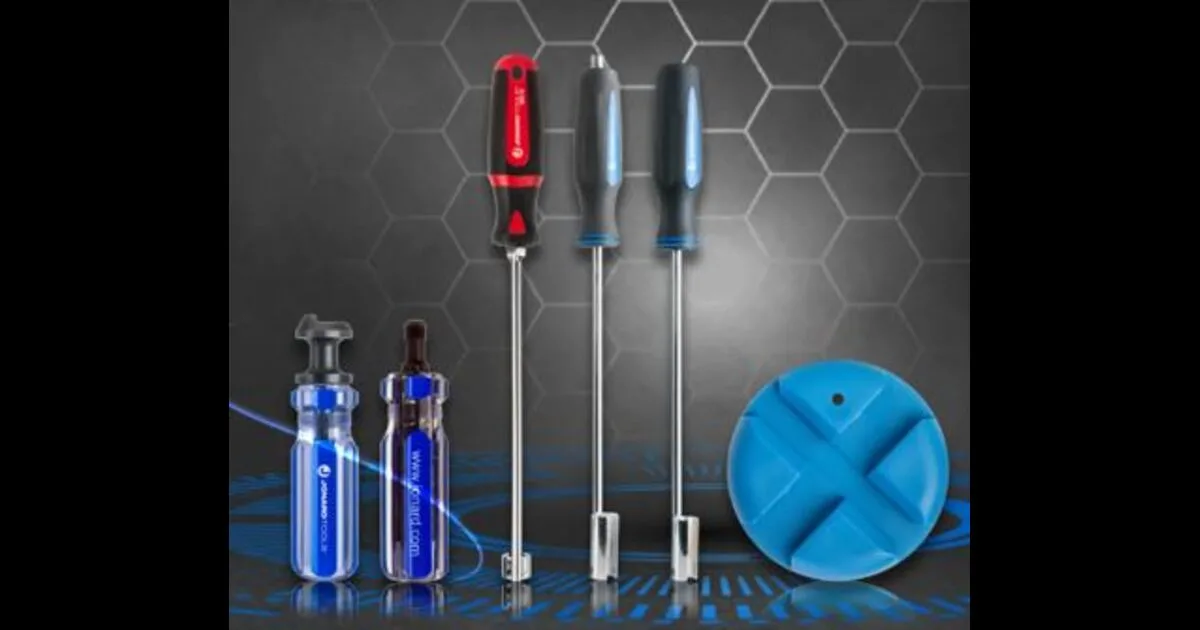
Jonard Tools offers professional CATV, COAX, and VDV equipment to support cable preparation and installation tasks. Technicians can explore its selection of connectors and specialized flaring tools to identify suitable solutions for their applications.
Choosing the right coaxial cable connector and compatible installation equipment helps technicians maintain consistent workmanship, reduce connection problems, and support reliable communication systems.
As broadband, cable television, and telecommunications infrastructure continue to develop, proper connector installation remains an essential part of maintaining dependable connectivity.