Industrial automation has become essential for improving productivity, reducing manual intervention, and maintaining consistent process control. One of the most important components used in automated piping systems is the motorized ball valve. Whether controlling water, chemicals, steam, oil, or gases, a motorized ball valve offers accurate and reliable flow control across a wide range of industries.
However, selecting the right valve involves more than choosing the correct size. Factors such as operating conditions, actuator specifications, valve materials, and manufacturer reliability all influence long-term performance. Working with an experienced motorized ball valve manufacturer ensures that your automation system operates efficiently while minimizing maintenance and downtime.
What Is a Motorized Ball Valve?
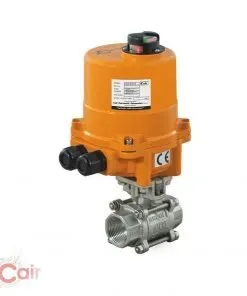
A motorized ball valve combines a quarter-turn ball valve with an electric actuator to automate the opening and closing of the valve. When an electrical signal is received, the actuator rotates the internal ball by 90 degrees, allowing or stopping the flow of media through the pipeline.
Unlike manually operated valves, motorized ball valves can be controlled remotely using PLCs, SCADA systems, timers, or centralized control panels. This makes them ideal for applications requiring automation, repeatability, and precise process control.
Why Choosing the Right Motorized Ball Valve Matters
A properly selected motorized ball valve improves operational efficiency and helps protect the entire piping system. Selecting the wrong valve may lead to leakage, actuator failure, excessive wear, reduced flow performance, or unnecessary maintenance costs.
Choosing the right valve provides several benefits, including:
- Reliable flow control
- Faster process automation
- Improved operational safety
- Reduced manual labour
- Lower maintenance requirements
- Increased equipment lifespan
- Better production efficiency
These advantages make careful valve selection an important part of any industrial automation project.
Factors to Consider Before Selecting a Motorized Ball Valve
Understand Your Process Media
The first step is identifying the type of fluid or gas flowing through the pipeline. Water, chemicals, steam, oils, and corrosive media each require specific valve body and seat materials to ensure compatibility and long service life.
Selecting the appropriate material helps prevent corrosion, leakage, and premature valve failure.
Choose the Correct Valve Size
The valve should match the pipeline size while providing adequate flow capacity. An incorrectly sized valve can create excessive pressure drop or restrict system performance.
Proper sizing contributes to efficient flow control and reliable operation.
Evaluate Pressure and Temperature Requirements
Every industrial application operates within specific pressure and temperature ranges. Ensure that the selected motorized ball valve is rated to safely handle the maximum operating conditions.
Using an appropriately rated valve improves safety and increases equipment durability.
Select the Appropriate Actuator
Electric actuators are available in multiple voltage options and control configurations. Depending on your automation requirements, consider features such as:
- On/off operation
- Modulating control
- Position feedback
- Manual override
- Fail-safe functionality
- Integration with PLC and SCADA systems
Selecting the correct actuator improves overall automation performance and system flexibility.
Consider Environmental Conditions
The installation environment plays a major role in valve selection. Dust, humidity, chemicals, vibration, outdoor exposure, and extreme temperatures may require actuators with higher protection ratings and corrosion-resistant materials.
Choosing a valve designed for the operating environment increases reliability and reduces maintenance.
Importance of Choosing a Reliable Motorized Ball Valve Manufacturer
The quality of the valve and actuator directly affects the performance of the automation system. An experienced motorized ball valve manufacturer follows strict quality standards, precision manufacturing processes, and comprehensive product testing to ensure dependable operation.
A reliable manufacturer typically offers:
- High-quality materials
- Precision-engineered valve assemblies
- Comprehensive product range
- Technical consultation
- Spare parts availability
- Reliable after-sales support
- Consistent product performance
These factors help businesses achieve greater operational efficiency while minimizing unexpected downtime.
Industrial Applications
Motorized ball valves are widely used in industries that require accurate automated flow control. Common applications include:
- Water and wastewater treatment
- Chemical processing plants
- Pharmaceutical manufacturing
- Food and beverage industries
- HVAC systems
- Oil and gas facilities
- Power generation plants
- Textile industries
- Paper and pulp mills
- General industrial automation
Their versatility allows them to control a wide range of process media while supporting continuous industrial operations.
Why Choose Cair Euromatic Automation?
Cair Euromatic Automation is a trusted motorized ball valve manufacturer offering dependable valve automation solutions for diverse industrial applications. The company provides high-quality motorized ball valves engineered for precise operation, reliable sealing, and long service life.
In addition to motorized ball valves, Cair Euromatic Automation offers a complete range of electric actuators and valve automation solutions designed to improve industrial efficiency and process control. By focusing on engineering excellence, product reliability, and customer satisfaction, the company helps businesses implement automation systems that deliver consistent performance under demanding operating conditions.
Maintenance Tips
Proper maintenance extends the life of a motorized ball valve and ensures smooth operation. Some recommended practices include:
- Inspect electrical connections regularly.
- Check actuator mounting bolts for tightness.
- Operate the valve periodically to prevent sticking.
- Inspect seals and seats for wear.
- Clean the actuator housing when exposed to dust or chemicals.
- Follow the manufacturer's maintenance recommendations.
Preventive maintenance helps reduce downtime and improves long-term equipment reliability.
Conclusion
Selecting the right motorized ball valve requires careful consideration of process media, valve size, pressure rating, temperature, actuator specifications, and environmental conditions. Choosing the correct valve not only improves automation efficiency but also reduces maintenance costs and enhances operational reliability.
Partnering with an experienced motorized ball valve manufacturer is equally important to ensure product quality, technical support, and long-term performance. With reliable automation solutions from Cair Euromatic Automation, industries can achieve precise flow control, improved productivity, and dependable operation across a wide range of industrial applications.