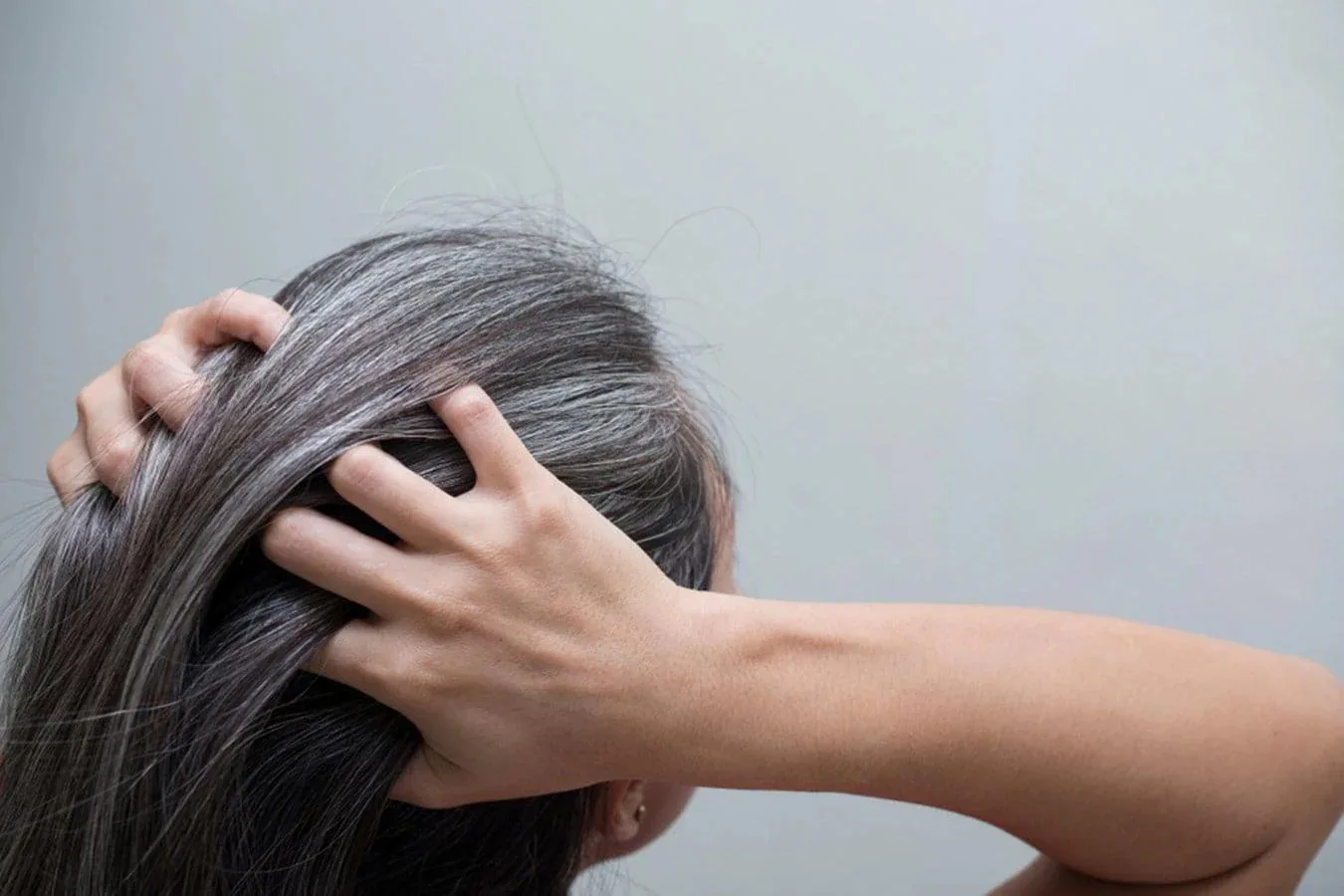
Grey hair is a natural part of life, but not everyone wants to reach for permanent hair dyes filled with harsh chemicals. Many people look for gentler ways to blend or cover grey hair naturally while keeping their hair healthy and maintaining its natural shine. Whether you're trying to disguise a few silver strands or searching for a more sustainable hair care routine, there are several natural options worth considering.
Natural approaches focus on supporting healthy hair while using plant-based alternatives that are generally gentler than conventional chemical treatments. Alongside these options, choosing the right shampoo for grey hair and following a consistent hair care routine can help keep your hair soft, hydrated, and vibrant.
Why People Are Choosing Natural Alternatives
Traditional permanent hair dyes often contain ingredients that may leave hair feeling dry or damaged, especially with repeated use. Some people also experience scalp sensitivity or simply prefer products with more naturally derived ingredients.
Natural alternatives appeal to those who want to:
- Minimize exposure to harsh chemicals
- Support healthier-looking hair
- Maintain moisture and shine
- Reduce damage from frequent coloring
- Follow a more eco-conscious beauty routine
While natural methods may not always provide the same long-lasting coverage as permanent dyes, they can be a good option for blending grey hair and maintaining healthy strands.
What Causes Grey Hair?
Hair turns grey when pigment-producing cells gradually produce less melanin. This process is influenced by genetics and age, though factors such as stress, nutrition, and overall health may also affect hair quality.
Although you can't permanently stop this natural process, you can support healthier hair through proper care and gentle products.
Natural Ways to Cover Grey Hair
There are several plant-based options that can help blend or temporarily color grey hair without relying on conventional chemical dyes.
Henna
Henna is one of the oldest natural hair colorants and is derived from the leaves of the henna plant. It coats the hair shaft, providing long-lasting reddish or copper tones while adding shine and improving the appearance of hair.
Results vary depending on your natural hair color and the percentage of grey hair.
Indigo Powder
Indigo is often combined with henna to create darker brown or black shades. When used correctly, it offers a more natural-looking color for those who prefer deeper tones.
Herbal Hair Powders
Certain herbal blends containing ingredients such as amla, bhringraj, and cassia are commonly used to condition the hair and may subtly enhance natural tones. While they do not permanently color grey hair, they can improve the hair's overall appearance and manageability.
Temporary Root Coverage
Plant-based root touch-up powders, mineral-based hair fibers, and temporary color sprays provide quick coverage between coloring sessions. These products wash out with shampoo and are useful for special occasions or touch-ups.
Maintain Healthy Hair Before and After Coloring
Whether you use natural colorants or embrace your silver strands, healthy hair holds color better and feels softer.
A simple hair care routine for grey hair should include:
- Gentle cleansing
- Regular conditioning
- Weekly deep hydration
- Protection from heat styling
- Daily moisture maintenance
Healthy hair always looks more vibrant, regardless of its color.
Choose the Right Shampoo for Grey Hair
One of the most important steps in natural grey hair care is selecting a gentle shampoo for grey hair.
A good shampoo helps:
- Remove dirt and buildup
- Maintain moisture
- Support scalp health
- Reduce dryness
- Improve softness and shine
Look for sulfate-free or plant-based formulas that cleanse effectively without stripping away natural oils.
Many people also enjoy using a shampoo bar because it offers concentrated cleansing with minimal packaging. A well-formulated shampoo bar can gently cleanse while supporting healthy moisture levels and reducing plastic waste.
Don't Skip Conditioner
Grey hair naturally becomes drier over time, making conditioner an essential part of any routine.
A nourishing conditioner helps:
- Lock in moisture
- Reduce frizz
- Improve softness
- Smooth the hair cuticle
- Make hair easier to manage
To learn more about supporting healthy grey hair, explore this guide on natural conditioning for grey hair.
Protect Grey Hair from Yellowing
Even naturally covered grey hair can develop yellow or brassy tones due to environmental factors such as UV exposure, pollution, smoke, and mineral deposits in water.
Simple habits like protecting your hair from prolonged sun exposure and using gentle cleansing products can help maintain a brighter appearance.
Learn more about preventing yellow tones in grey hair.
Hydration Is the Secret to Healthy Grey Hair
Grey hair often becomes drier because the scalp produces less natural oil over time.
To improve moisture:
- Deep condition once a week.
- Apply lightweight natural oils such as argan or jojoba to the ends.
- Avoid excessive heat styling.
- Drink enough water every day.
Hydrated hair reflects more light, making both natural and colored hair appear shinier and healthier.
Lifestyle Habits That Support Healthy Hair
Healthy hair starts from within.
Support stronger hair by:
- Eating protein-rich foods
- Including healthy fats in your diet
- Getting enough iron, zinc, and Vitamin B12
- Staying hydrated
- Sleeping well
- Managing everyday stress
While these habits won't reverse grey hair, they help maintain healthier strands and support overall scalp health.
Common Mistakes to Avoid
Many people unintentionally make grey hair harder to manage by:
- Using harsh shampoos
- Skipping conditioner
- Coloring too frequently
- Washing with very hot water
- Overusing heat styling tools
- Ignoring regular trims
- Allowing product buildup to accumulate
Small improvements to your routine can help maintain healthier, smoother hair over time.
Final Thoughts
Choosing to cover grey hair naturally is a personal decision, and there are several gentle options available for those who prefer to avoid harsh chemicals. Plant-based colorants such as henna and indigo, along with temporary root coverage products, can help blend grey hair while minimizing exposure to stronger chemical dyes.
Equally important is maintaining a consistent hair care routine for grey hair. Using a moisturizing shampoo for grey hair, incorporating a nourishing shampoo bar, conditioning regularly, and keeping your hair hydrated all contribute to healthier, softer, and more manageable strands. Whether you decide to blend your greys or proudly embrace them, caring for your hair naturally helps it look its best every day.