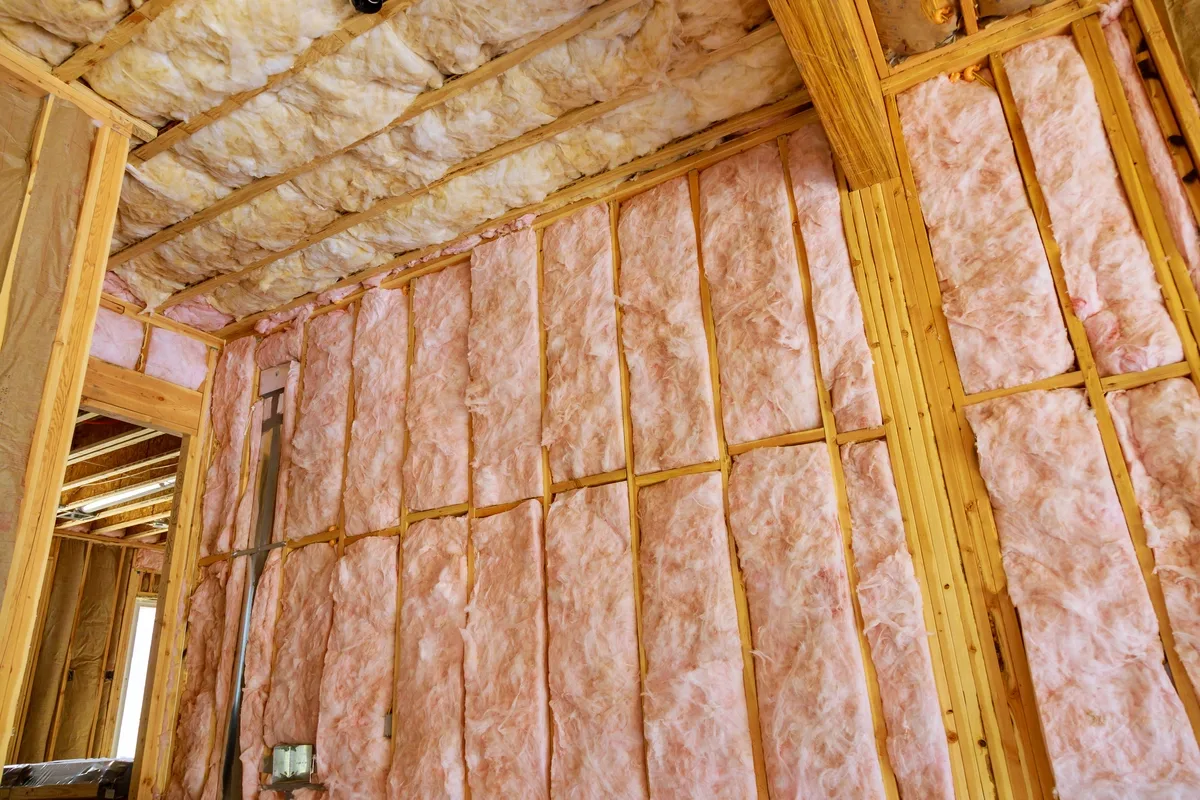
Homeowners can significantly reduce their energy expenses by filling empty exterior wall cavities with specialized insulation materials. Most older homes built before 1980 lack sufficient wall insulation, which allows heated air to escape through a process called convection. By injecting dense-pack cellulose or specialized tripolymer foams into these voids, property owners create a thermal barrier that stops the movement of air and slows the transfer of heat. This process often lowers monthly heating bills by 15% to 20% while making the indoor environment more consistent and comfortable. Expert wall insulation solutions are designed to maximize these benefits by improving energy efficiency and enhancing year-round home comfort.
This guide provides a detailed look at the methods, materials, and long-term benefits of retrofitting wall insulation. Industry experts agree that while attic insulation is a common starting point, addressing the vertical surfaces of a home is the next logical step for total energy efficiency. The following sections explain how professionals identify empty cavities and the specific steps they take to fill them without removing any drywall.

How wall insulation stops heat loss
Heat always moves from a warm space to a cold space. In the winter, the conditioned air generated by a furnace tries to escape through the walls to the cold outdoors. When a wall cavity is empty, the air inside that space begins to circulate. This internal air movement picks up heat from the interior drywall and carries it to the cold exterior siding. This cycle, known as a convective loop, acts like a conveyor belt for heat loss.
Filling these gaps with high-density materials breaks this cycle. The insulation traps tiny pockets of air, making it difficult for heat to pass through. It also acts as a windbreaker for the house. Many homes suffer from air infiltration where cold wind blows through cracks in the siding and into the electrical outlets. Modern wall insulation fills around these wires and outlets, creating a tighter seal against the elements. Data suggests that walls account for roughly 35% of total heat loss in a typical uninsulated residence.
Common materials for wall cavity filling
The choice of material depends on the age of the home and the size of the wall cavities. Most professionals use either cellulose or injection foam for retrofit projects. Both materials are designed to flow through small openings and fill the entire space between the studs.
Cellulose is made from recycled paper treated with borates for fire resistance and pest control. When installed at a high density, it is called dense-pack cellulose. This material is effective at blocking air movement and provides a high R-value, which is the measure of thermal resistance. Injection foam is a different option that starts as a liquid and expands to the consistency of shaving cream. It flows into the smallest cracks and crevices before hardening into a soft, breathable solid. Unlike spray foam used in new construction, injection foam does not expand with enough force to damage drywall.
Thermal performance comparison
The table below outlines how different materials perform when used for wall cavity retrofits.

Bonus Tip: Before choosing a material, check if the home has knob-and-tube wiring. Some local building codes prohibit covering this type of older wiring with insulation because it requires air space to dissipate heat.
Step-by-step installation process
Adding insulation to finished walls does not require a major renovation. Professionals typically use a drill-and-fill method that can be performed from the exterior or the interior. Most homeowners prefer the exterior method because it minimizes dust and disruption inside the living space.
The process begins when technicians remove a small strip of siding or drill small holes through the mortar or shingles. They use a specialized hose to blow the material into each individual stud bay. Technicians typically work from the bottom up, or use a tube that reaches the top of the cavity and slowly retracts as the space fills. A pressure-sensitive system ensures the cavity is packed tightly enough to prevent future settling but not so tightly that it bows the wall.
Once the cavities are full, the technicians seal the holes. If the work was done through the siding, they replace the siding or use color-matched plugs. For interior installations, they use drywall plugs and a layer of spackle. The entire process for a standard-sized home usually takes one to two days.

Climate considerations for the Pacific Northwest
In regions like Seattle, dampness is a constant factor. The high humidity levels mean that wall insulation must handle moisture correctly. If a material absorbs water and holds it against the wood framing, it can lead to rot or mold. This is why many experts in the Pacific Northwest prefer injection foam or treated cellulose. These materials allow the wall to breathe, meaning moisture can move through the wall and evaporate instead of becoming trapped.
In a temperate but wet climate, the goal is to keep the interior surface of the wall warm. When the interior wall stays warm, condensation is less likely to form on the inside of the home. This reduces the risk of mildew growth behind furniture or in corners. Proper wall insulation also helps during the summer months. While the Pacific Northwest has historically had mild summers, recent trends show more frequent heatwaves. Insulated walls keep the cool air from air conditioners or heat pumps inside, reducing the workload on those systems.
Bonus Tip: Many utility providers in the Northwest offer rebates for wall insulation upgrades. Checking with the local power company before starting the project can often result in significant savings on the initial cost.
Things to consider before making a decision
Before moving forward with wall insulation, property owners should evaluate a few particular factors.
- Existing Insulation: Some homes have old fiberglass batts that have slumped or settled. Filling these cavities is more difficult because the old material blocks the path of the new insulation. A thermal camera inspection can show if the walls are truly empty or just poorly insulated.
- Siding Type: While most siding can be removed and replaced, some materials, like asbestos shingles or certain types of stucco, require specialized handling or interior installation.
- Wall Construction: Homes built with balloon framing have continuous vertical cavities that run from the foundation to the roof. These require a different approach than platform-framed homes to ensure the material stays where it is intended.
- Air Quality: Because improving a home's seal reduces natural ventilation, owners should confirm that their property has sufficient mechanical ventilation. Systems such as bathroom fans or heat recovery ventilators help maintain fresh indoor air once the walls are sealed.
Market data shows that roughly 90% of existing homes in the United States are under-insulated. This suggests that the majority of property owners are paying more than necessary for their monthly utilities. Investing in wall insulation is often seen as a permanent fix that pays for itself through energy savings within a few years.
Final thoughts on home energy efficiency
Filling empty wall cavities is one of the most effective ways to lower heating bills and improve indoor comfort. By stopping convective loops and air leaks, homeowners create a more stable environment that requires less energy to maintain. The process is relatively quick and does not require a major remodel of the home's interior.
Each property has unique needs based on its age, construction type, and local climate. Property owners should look for experienced providers who use thermal imaging to verify the results and who understand the requirements of their regional weather patterns. Taking the time to evaluate the current state of a home's exterior walls is the first step toward a more efficient and affordable living space.
Evaluating professional insulation services
For those looking to improve their home's thermal performance, working with a specialist is the most reliable path. They provide the equipment and expertise needed to ensure every cavity is filled completely without gaps. If a property owner wants to explore these options, they can reach out to Cascadia Spray Foam Insulation of Seattle. They offer detailed assessments and professional installation for various insulation types. To learn more, contact them at info@cascadiasprayfoam.com or call (425) 386-3500 for assistance.
Common questions about wall cavity insulation
Does wall insulation help with noise reduction?
Yes, filling empty wall cavities significantly reduces sound transmission. Dense materials like cellulose and injection foam act as a sound dampener, quieting noises from traffic, sirens, and neighbors. This is particularly noticeable in urban environments or homes located near busy streets.
Can this be done on brick homes?
Professionals can insulate brick homes by drilling small holes through the mortar joints. After the insulation is injected, the holes are filled with matching mortar, making the entry points nearly invisible. This preserves the aesthetic of the brick while providing modern thermal performance.
How long does the insulation last?
Most modern wall insulation materials are designed to last for the life of the building. Cellulose is treated to prevent settling and pest infestation, while injection foam is a chemically stable product that does not degrade over time. Unlike fiberglass batts, these materials do not lose their shape or effectiveness as they age.
Will the installation cause a mess inside the house?
If the installation is performed from the exterior, there is almost no mess inside. The only interior activity might be a quick check of the wall surfaces to ensure everything is progressing correctly. If interior installation is necessary, professionals use drop cloths and vacuums to manage dust and debris.