
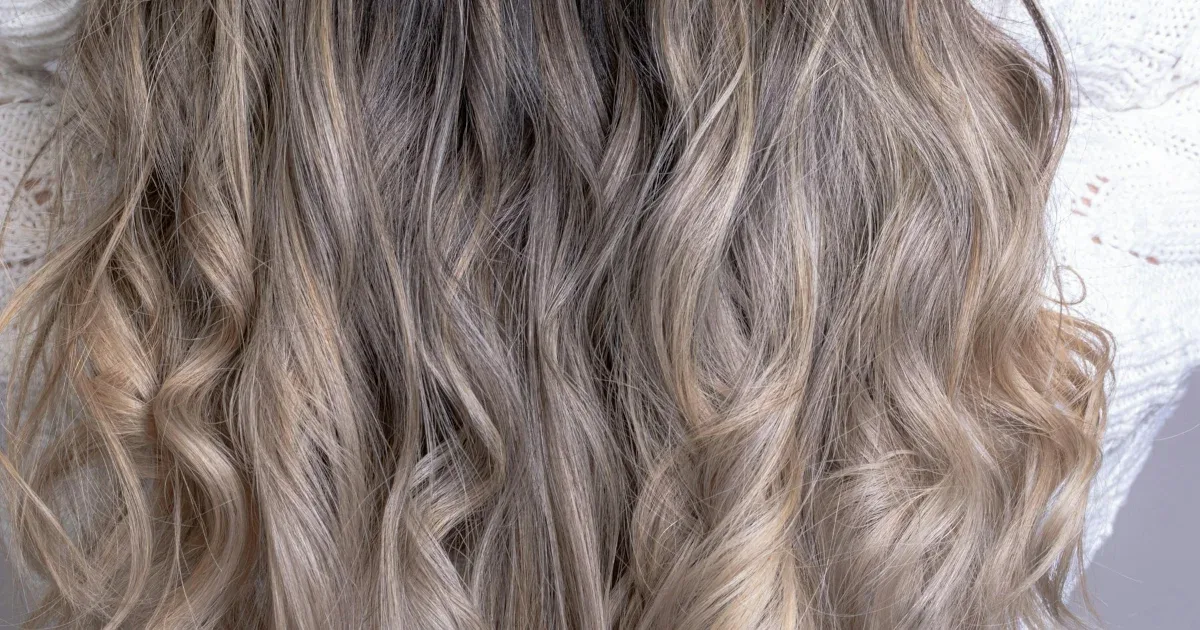
The right hair colour can make skin look brighter, eyes look sharper and even tired days look a little fresher. The wrong one can wash you out or make redness stand out. Finding a hair colour that suits you is less about trends and more about three things you can check at home: your undertone, your natural contrast and how much upkeep you want.
Step 1: work out your undertone
Your skin's surface tone can be fair, medium or deep, and it can change with a tan. Your undertone is the colour beneath, and it stays the same. It usually falls into one of three groups.
- Warm: golden, peachy or yellow hints.
- Cool: pink, red or bluish hints.
- Neutral: a balance of both, with no strong lean either way.
Quick checks
- Vein test. Look at the veins on your inner wrist in daylight. Greenish veins suggest warm, blue or purple suggest cool, and a mix suggests neutral.
- Jewellery test. If gold flatters you more, you are probably warm. If silver looks better, you are likely cool. If both work, you are probably neutral.
- White fabric test. Hold pure white and off-white cloth near your face without makeup. Cool skin looks better against bright white, warm skin against cream.
- Sun test. Skin that tans easily and rarely burns is often warm. Skin that burns quickly and turns pink is often cool.
Do at least two tests in natural light. One test alone can mislead, especially under yellow bathroom bulbs.
Step 2: match shades to your undertone
| Undertone | Shades that usually flatter | Shades to be careful with |
|---|---|---|
| Warm | Golden brown, caramel, honey, copper, warm chestnut, auburn | Ashy blonde, blue-black, cool platinum |
| Cool | Ash brown, cool espresso, burgundy, plum, platinum, icy blonde | Brassy gold, orange copper |
| Neutral | Most shades, from soft mocha and beige blonde to rose gold | Very extreme shades at either end |
The simplest rule: colours that share your undertone tend to harmonise, while colours that clash with it can make skin look sallow or flushed.
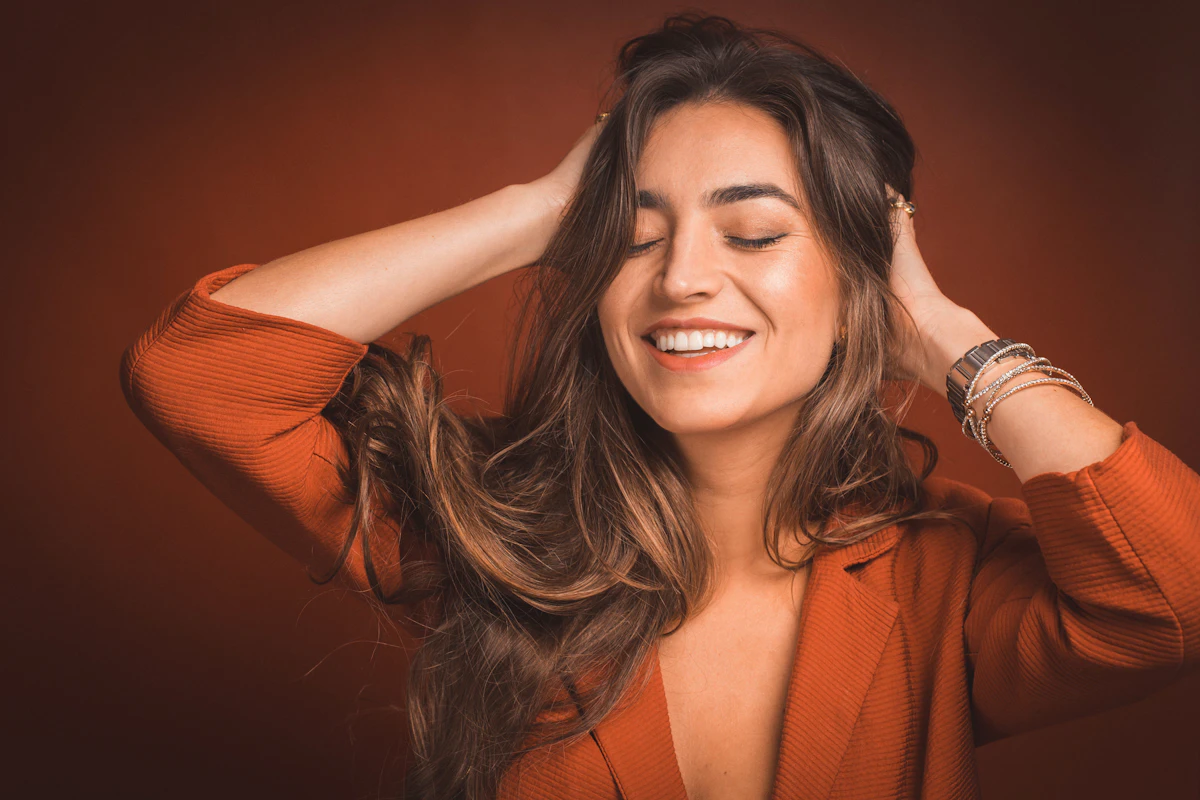
Step 3: think about contrast
Contrast is the difference between your skin, your eyes and your natural hair colour. It is the factor most guides skip.
- High contrast (dark hair, light skin, or very dark eyes against fair skin) carries deep, rich shades well. Going much lighter can look flat.
- Low contrast (hair, skin and eyes in a similar depth) suits softer, blended colours such as subtle highlights or a shade one or two levels from your natural.
A good starting point is to stay within two shades of your natural colour, lighter or darker. It almost always looks natural, and regrowth is far less obvious.
Hair colour for Asian skin tones
Many people searching "what hair colour suits me" have dark brown or black natural hair and warm or neutral undertones, which is common across East and Southeast Asia. A few things are worth knowing.
- Dark hair lifts warm. Black hair shows red and orange tones as it is lightened, so very ashy or platinum shades usually need bleaching and regular toning to stay cool.
- Soft browns are an easy win. Chocolate brown, milk tea brown, mocha and caramel brighten skin without much maintenance.
- Rich darks suit cool or neutral skin. Dark burgundy, plum-brown and cool espresso add shine and depth, and look polished in office settings.
- Balayage and highlights fade in gracefully. Placing lighter pieces around the face brightens it, while the roots stay close to natural.
- Strong sun and humidity matter. Heat and UV fade colour and bring out brassiness, so warm shades often age better than very cool ones in a tropical climate.
If you are unsure, a consultation for salon hair colouring usually includes a strand test and a look at your skin in natural light, which takes much of the guesswork out of choosing.
Step 4: be honest about maintenance
A shade that suits you on day one still has to suit your routine.
- Low upkeep: shades close to your natural colour, glossing treatments, soft balayage.
- Medium upkeep: all-over colour two to three shades from natural, which needs root touch-ups every six to eight weeks.
- High upkeep: platinum, icy blonde and pastel shades, which need bleaching, toning and colour-safe care.
Both permanent and semi-permanent options exist at every level. Wikipedia has a clear summary of how permanent and semi-permanent dyes work if you want to understand the difference.
Step 5: test before you commit
- Try a wig, a clip-in piece or a virtual try-on app in good light.
- Start with a semi-permanent or demi-permanent shade that fades in a few weeks.
- Do a strand test on a hidden section, and a skin allergy test 48 hours before any permanent dye.
Choosing with confidence
Undertone tells you which family of shades to look at, contrast tells you how far from natural you can go, and your routine tells you what you can keep up. Put those three together and the shortlist gets very short, which is exactly what makes the final choice easy.
FAQs
What hair colour makes you look younger?
Soft, warm shades a little lighter than your natural colour, with face-framing highlights, tend to brighten the face. Very dark, flat colour can make lines and shadows look stronger.
Can I change my undertone with makeup?
Makeup can balance redness or sallowness, but it does not change your undertone. Choose a hair colour based on your bare skin.
Which hair colours suit tanned or deep skin?
Rich espresso, chocolate, caramel ribbons, copper and deep burgundy look striking on deeper skin. Very pale ash shades can look grey against it.
Is it bad to go from black to blonde in one session?
Lifting dark hair to blonde in one go puts a lot of stress on the hair. Doing it gradually over two or more sessions usually leaves hair in better condition.
How do I choose a colour to cover grey hair?
Pick a shade close to your natural colour or slightly lighter. Lighter tones blend regrowth better than very dark shades, which show grey roots quickly.
Cover photo by Lera Kogan on Unsplash.