Introduction
Walk into any large commercial building, whether it is an office tower, a shopping center, or a medical facility, and you are breathing the same recycled air as hundreds of other people. That air travels through a network of ductwork that, over time, becomes a quiet collection point for dust, pollen, pet dander, mold spores, and other allergens. Facility managers often focus their energy on visible maintenance issues like leaky faucets or flickering lights, while the air quality moving silently through the building gets far less attention. Yet indoor air quality has a direct impact on employee productivity, tenant satisfaction, and even liability exposure when allergy-related complaints start piling up.
Managing allergens effectively is not a one-time fix. It requires a consistent, well-planned approach to duct care that treats the HVAC system as a living part of the building rather than a background utility. For property managers in growing metro areas, partnering with reliable air duct cleaning services in South Jordan or air duct cleaning services in West Valley has become one of the most practical ways to keep large facilities allergen-free without disrupting daily operations. This article breaks down exactly how allergens accumulate in commercial ductwork, why regular cleaning matters, and what a strong long-term maintenance plan should look like.
Section 1: Why Commercial Ductwork Becomes an Allergen Hotspot
Large commercial buildings move enormous volumes of air every single day. A typical HVAC system in a mid-size office building might cycle the entire volume of air in the structure four to six times per hour. Each cycle pulls in outdoor air, recirculates indoor air, and pushes it through miles of ductwork before it reaches employees, customers, or patients. Along the way, the system picks up whatever is floating around: pollen tracked in on shoes and clothing, dust from carpets and furniture, skin cells, mold spores from damp areas, and fine particulate matter from nearby traffic or construction.
Ducts are especially prone to allergen buildup because of their shape and material. The interior surfaces, whether sheet metal, fiberglass lining, or flex duct, provide plenty of texture for particles to cling to. Bends, joints, and dampers create low airflow zones where dust settles rather than continuing to circulate. Over months and years, this buildup compounds. What starts as a thin film of dust can eventually become a breeding ground for dust mites and mold, both of which are common allergy and asthma triggers.
Commercial buildings face an added challenge compared to single-family homes: scale. A residential duct system might span a few hundred feet. A commercial system in a multi-story building can span thousands of feet, with multiple air handlers, branch lines, and return vents serving different zones. That scale means more surface area for allergens to accumulate and more entry points where contamination can begin, whether from a poorly sealed rooftop unit or a return vent placed too close to a loading dock.
This is precisely why routine attention from air duct cleaning services in South Jordan or similar providers matters so much for property owners managing multi-tenant spaces. A single missed inspection cycle can allow allergen levels to climb well beyond what standard filtration can handle, especially in buildings with high foot traffic or older HVAC infrastructure.
Section 2: The Health and Business Impact of Poor Duct Hygiene
The consequences of allergen-laden ductwork extend far beyond a few sneezes in the break room. Poor indoor air quality has been linked to increased absenteeism, reduced cognitive performance, and a measurable drop in workplace satisfaction. For employees who already live with allergies or asthma, a building with contaminated ductwork can turn an eight-hour workday into a daily struggle with itchy eyes, congestion, headaches, or worse.
In retail and hospitality settings, the stakes are different but just as real. Customers rarely stick around in spaces that smell musty or trigger allergy symptoms. A shopping center with a reputation for poor air quality, even if that reputation spreads only through word of mouth, can see a measurable dip in foot traffic and dwell time. In healthcare facilities, the risks are amplified further. Patients with compromised immune systems are far more vulnerable to airborne allergens and mold spores, making duct hygiene a matter of patient safety rather than simple comfort.
There is also a financial angle that property managers cannot ignore. Dirty ducts force HVAC systems to work harder, since dust and debris restrict airflow and reduce efficiency. This translates into higher energy bills and more frequent equipment breakdowns. A coil caked in dust does not transfer heat as efficiently, and a blower motor straining against restricted airflow wears out faster than one operating in a clean system. Regular duct maintenance, including inspections from established air duct cleaning services in West Valley, often pays for itself through lower utility costs and fewer emergency repair calls.
Liability is another consideration worth mentioning. While allergen exposure claims tied to building air quality are not always straightforward, they do happen, particularly in commercial leases where tenants expect a baseline standard of air quality as part of their agreement. Documented, regular duct maintenance gives property managers a paper trail showing due diligence, which can matter significantly if a dispute ever arises.
Section 3: Building an Effective Duct Care Strategy
A strong allergen management plan for commercial ductwork rests on four pillars: inspection, cleaning, filtration, and moisture control. Skipping any one of these leaves gaps that allergens will eventually exploit.
Inspection first. Before any cleaning takes place, a thorough inspection should map out the condition of the entire system. This includes checking supply and return ducts, air handlers, coils, and any areas where moisture might collect. Many buildings benefit from camera inspections that reveal buildup deep inside ductwork that would otherwise go unnoticed during a routine walkthrough. Inspections should happen at least annually, though buildings in high-pollen areas or those near construction zones may need more frequent checks.
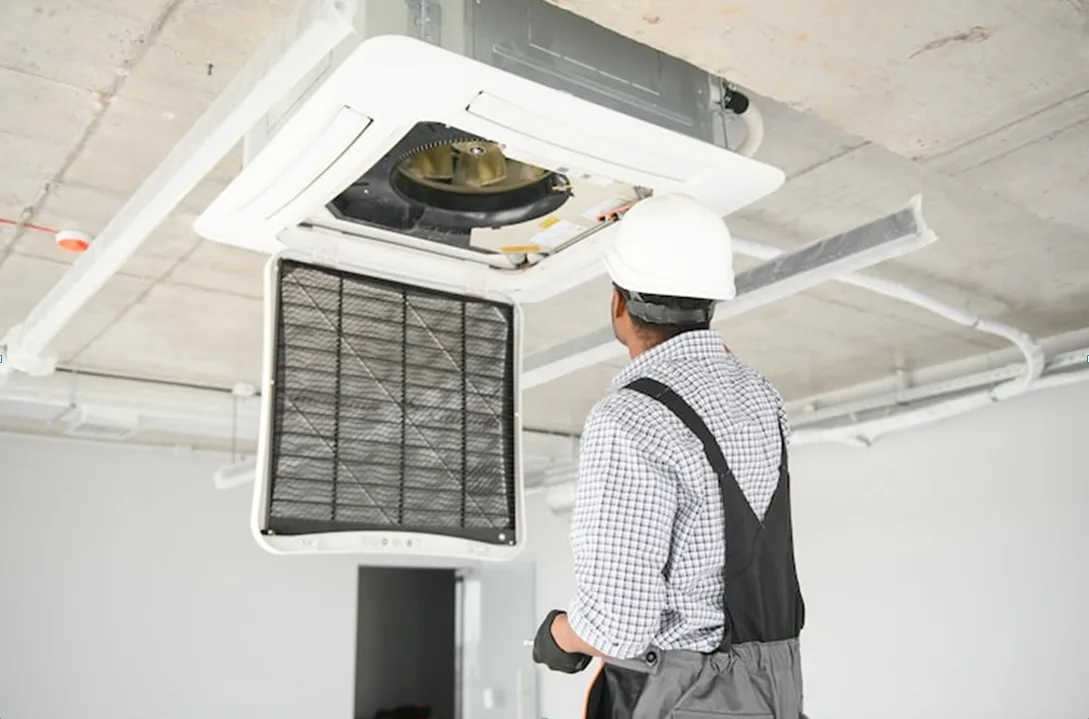
Cleaning on a schedule, not just when problems appear. Waiting until employees start complaining about stuffy air is a reactive approach that lets allergens accumulate for months or years before anything is done. A proactive schedule, typically every two to three years for standard commercial spaces and more often for medical or industrial facilities, keeps allergen levels consistently low. Professional duct cleaning uses specialized equipment like negative air machines and rotary brushes to dislodge and extract debris rather than simply pushing it further into the system. This is where working with an experienced provider matters. Whether it is air duct cleaning services in South Jordan handling a mid-size office park or air duct cleaning services in West Valley managing a large retail complex, the equipment and technique used should match the scale and complexity of the building's HVAC system.
Filtration as the ongoing first line of defense. Even the best cleaning schedule cannot fully compensate for weak filtration. Commercial systems should use filters rated appropriately for the building's needs, often MERV 11 to MERV 13 for general office and retail use, with higher ratings in healthcare or laboratory settings. Filters should be checked monthly and replaced on a schedule that reflects actual usage rather than a generic calendar guess. A filter that looks fine at a glance can still be significantly less effective than a fresh one, especially in buildings with heavy foot traffic or nearby construction dust.
Moisture control to prevent mold before it starts. Damp ductwork is one of the fastest ways to turn a manageable dust problem into a serious mold issue. Condensation around air handlers, poorly sealed joints, or humidity imbalances in certain zones of a building can create the exact conditions mold needs to thrive. Regular moisture checks, proper insulation on ductwork running through unconditioned spaces, and prompt repair of any leaks are essential parts of a complete allergen management strategy.
Combining these four pillars into a documented maintenance calendar, rather than treating each one as a separate task, gives facility managers a clear picture of when action is needed and helps justify the investment to ownership or tenants when questions about cost arise.
Section 4: Choosing the Right Partner for Large-Scale Duct Maintenance
Not every duct cleaning provider is equipped to handle the scale and complexity of a large commercial building. Choosing the right partner makes the difference between a surface-level service and a genuinely effective allergen management program.
Look for providers with documented experience in commercial and industrial settings, not just residential homes. Commercial systems often involve rooftop units, multiple zones, and specialized ductwork configurations that require different equipment and expertise than a typical house call. Ask potential providers about their inspection process, the type of equipment they use, and whether they offer before-and-after documentation. A reputable company will happily walk through their process and explain how they verify results rather than simply stating the job is done.
Certification matters as well. Providers who follow standards set by organizations such as NADCA (the National Air Duct Cleaners Association) tend to bring a higher level of consistency and accountability to their work. This is particularly important for buildings in regulated industries, such as healthcare or food service, where air quality standards may be tied to compliance requirements.
Local knowledge also plays a bigger role than many property managers realize. A team offering air duct cleaning services in South Jordan will understand the specific seasonal pollen patterns, dust conditions, and building types common to that area, from the mix of older retail centers to newer mixed-use developments. Likewise, a provider offering air duct cleaning services in West Valley will be familiar with the area's blend of industrial and commercial properties and the unique ductwork challenges that come with each. This regional familiarity often translates into faster diagnosis of problem areas and more efficient scheduling around a building's operating hours.
Finally, communication and scheduling flexibility matter enormously for buildings that cannot simply shut down for maintenance. The best providers work around business hours, coordinate with facility staff to minimize disruption, and provide clear reporting after each service so that property managers have a record for tenants, ownership groups, or compliance audits.
Conclusion and Call to Action
Allergens in commercial ductwork are not a minor nuisance to be dealt with occasionally. They are an ongoing challenge that, left unmanaged, can affect employee health, customer experience, energy costs, and even a building's reputation. The good news is that this is a highly manageable problem when approached with the right strategy: regular inspections, a consistent cleaning schedule, proper filtration, and diligent moisture control.
For property managers overseeing large commercial spaces, the return on investment in professional duct care is clear, both in tangible cost savings and in the less measurable but equally important benefit of a healthier building environment. If your facility has gone more than a couple of years without a thorough duct inspection, now is the time to act before allergen buildup turns into a bigger, costlier problem.