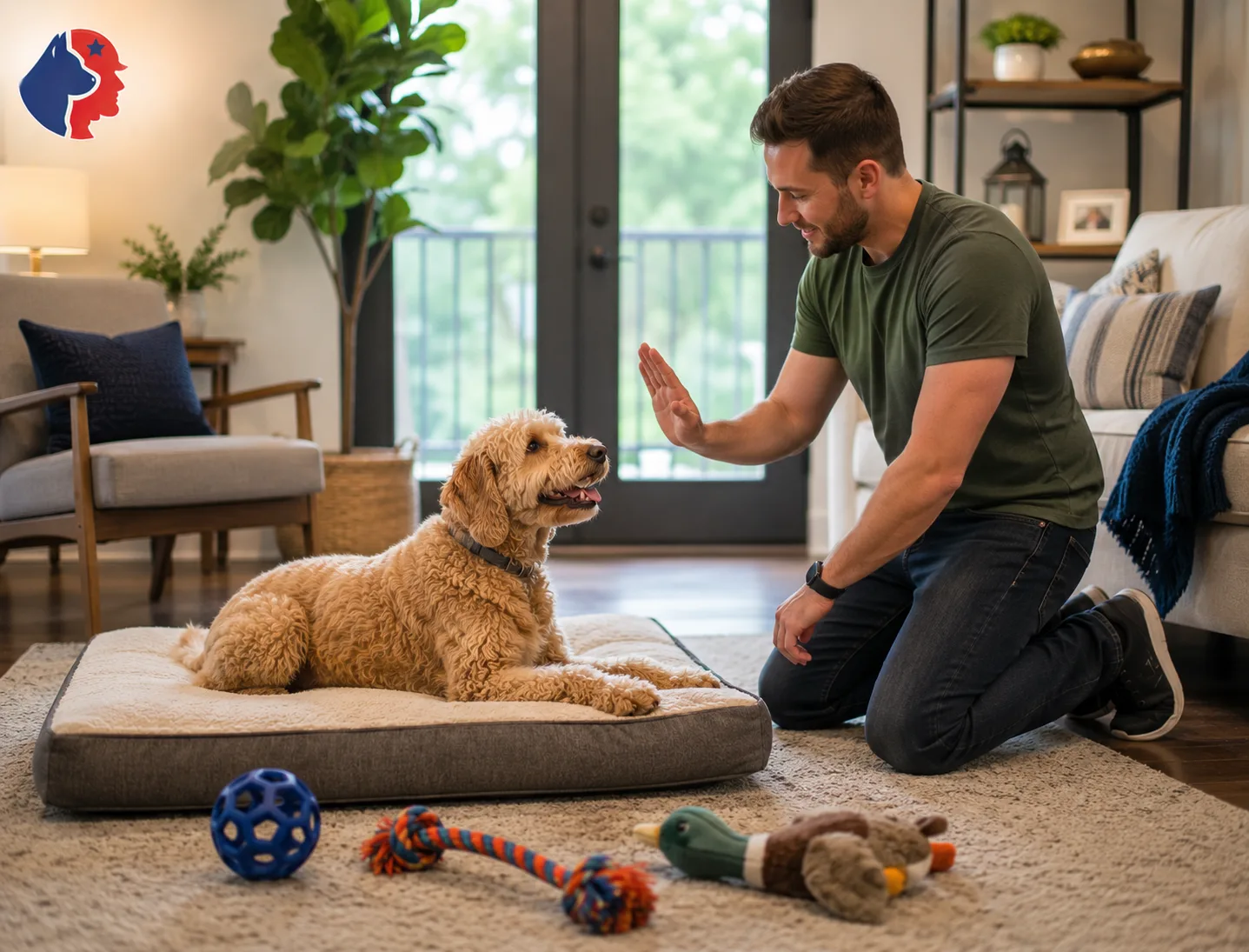
Dogs need more than physical exercise to remain balanced and engaged. Mental stimulation is an important part of a dog's daily life because dogs naturally investigate, observe, solve problems, and respond to changes around them. When these needs are overlooked, some dogs may become restless, destructive, overly vocal, or constantly seek attention. Effective Dog training can help owners recognize these patterns and introduce activities that encourage concentration, patience, and appropriate behavior.
Physical Exercise Is Only One Part of a Healthy Routine
Taking a dog for a walk provides valuable physical activity, but walking alone may not satisfy every aspect of a dog's natural needs. Dogs also benefit from opportunities to use their senses and make decisions.
A familiar walk at the same pace every day may provide exercise without offering much mental variety. Allowing a dog to safely investigate different smells, navigate new surroundings, and practice controlled behaviors can make ordinary activities more engaging.
The goal is not to make every activity complicated. Small changes to a dog's routine can provide additional opportunities for observation and learning.
Signs That a Dog May Be Bored
Boredom can appear in different ways depending on the individual dog. Some dogs may chew household objects, dig, bark excessively, or repeatedly demand attention. Others may pace around the home, carry objects from one place to another, or appear unable to settle.
These behaviors do not automatically mean that a dog lacks training. However, they can indicate that the dog's daily routine needs more variety or purposeful activity.
Owners should look for patterns rather than reacting to one isolated incident. If unwanted behaviors consistently appear when the dog has been inactive for long periods, mental stimulation may be worth considering as part of the overall routine.
Problem-Solving Activities Can Build Focus
Dogs can learn through simple problem-solving activities. Searching for a hidden toy, locating a familiar scent, or working through a safe food puzzle can encourage a dog to concentrate on a specific task.
These activities can be especially useful when outdoor exercise is limited. They give the dog something meaningful to investigate while encouraging patience and persistence.
Activities should match the dog's ability. If a challenge is too difficult, the dog may become frustrated rather than engaged. Starting with simple tasks allows the dog to understand the activity before gradually increasing its complexity.
Training Sessions Can Provide Mental Exercise
Learning itself is a form of mental stimulation. Practicing basic obedience, leash manners, place training, impulse control, or reliable responses to everyday cues requires a dog to pay attention and process information.
Short sessions can be particularly useful because they allow owners to focus on one skill without overwhelming the dog. Training can also be incorporated into ordinary routines instead of being limited to a specific time of day.
For example, an owner can practice calm waiting before going outside or encourage controlled behavior before greeting a familiar person. These small exercises turn everyday moments into opportunities for learning.
Why Variety Matters
Repeating exactly the same activity every day can eventually become predictable. Dogs often benefit from reasonable variation in their routines.
One day might include a different walking route, while another could involve a scent-based game at home. A separate session could focus on practicing calm behavior around household distractions.
Variety does not mean constantly changing rules. The expectations should remain consistent while the activities and environments provide appropriate opportunities for exploration.
Scent Work Naturally Engages Dogs
A dog's sense of smell is remarkably important for understanding its surroundings. Scent-based activities can therefore provide meaningful mental engagement.
Owners can encourage a dog to search for a familiar object or investigate an appropriate area during a controlled activity. The dog must focus on locating the target rather than simply moving around randomly.
Scent activities can also make ordinary walks more interesting when dogs are given safe opportunities to investigate their environment instead of being rushed through every part of the outing.
Learning to Settle Is Also a Skill
Mental stimulation should not mean keeping a dog busy every moment. Dogs also need to learn how to relax when there is nothing exciting happening.
Some dogs become dependent on constant entertainment and struggle when their owners are working, watching television, or completing household tasks. Teaching a dog to settle calmly can help create a healthier balance between activity and rest.
This is where structured training becomes useful. The dog can gradually learn that quiet periods are a normal part of the day rather than a signal that something needs to happen immediately.
Choosing Activities According to the Individual Dog
Not every activity will work equally well for every dog. Age, temperament, physical ability, previous experience, and individual interests can influence what a dog finds engaging.
A young, energetic dog may enjoy learning new tasks, while an older dog may benefit from gentler scent games and shorter activities. A highly food-motivated dog may respond well to problem-solving games, whereas another dog may be more interested in toys or environmental exploration.
Understanding the individual dog helps owners choose activities that encourage engagement without creating unnecessary frustration.
How Professional Guidance Can Help
Owners who are unsure whether their dog's behavior is caused by boredom, excess energy, anxiety, or another factor may benefit from professional guidance. A structured training assessment can help identify patterns and determine which skills should receive attention.
People searching for Dog training Near me may want to look for programs that consider both behavior and the dog's daily environment. Training should ideally provide practical strategies that owners can continue using outside formal sessions.
Professional guidance can also help distinguish between a dog that simply needs more mental engagement and one whose behavior may require a more specific approach.
Mental Stimulation Should Fit Into Daily Life
The best activities are often those that owners can realistically maintain. A complicated schedule may not be sustainable for a busy household.
Instead, mental stimulation can be incorporated into routines that already exist. A short training exercise before a walk, a scent game during indoor time, or practicing calm behavior while the owner completes chores can provide useful opportunities without requiring an entire afternoon.
Consistency is more valuable than occasional elaborate activities. Dogs benefit when appropriate mental challenges become a normal part of their lifestyle.
Avoiding Too Much Stimulation
More activity is not always better. Some dogs can become overly excited when exposed to constant games, movement, or challenging situations.
A balanced routine should include exercise, learning, exploration, quiet time, and adequate rest. Owners should watch the dog's behavior and adjust activities when signs of frustration or overstimulation appear.
The objective is to help the dog become more balanced, not to keep it continuously occupied.
Building Better Habits Through Engagement
Mental stimulation can support behavioral improvement because it gives dogs constructive ways to use their natural abilities. A dog that regularly practices focusing, waiting, investigating, and solving simple problems may have more opportunities to develop useful habits.
This does not replace behavior-specific training, but it can complement a broader training plan. When combined with clear expectations, mental activities can contribute to a more structured daily routine.
Final Thoughts
Understanding a dog's mental needs can change the way owners approach behavior. Excessive barking, destructive chewing, restlessness, or constant attention-seeking may sometimes be connected to a lack of appropriate engagement, although each behavior should be considered in its individual context.
Thoughtful Dog training can teach dogs how to focus, wait, settle, and respond appropriately while mental activities provide additional opportunities to learn. For owners researching Dog training Near me, choosing guidance that addresses the dog's complete routine can make training more practical and sustainable.
With the right balance of exercise, mental challenges, training, exploration, and rest, dogs can develop healthier routines and more appropriate ways to use their natural energy.