From Disruption to Innovation: The 2026 Landscape of Online Learning
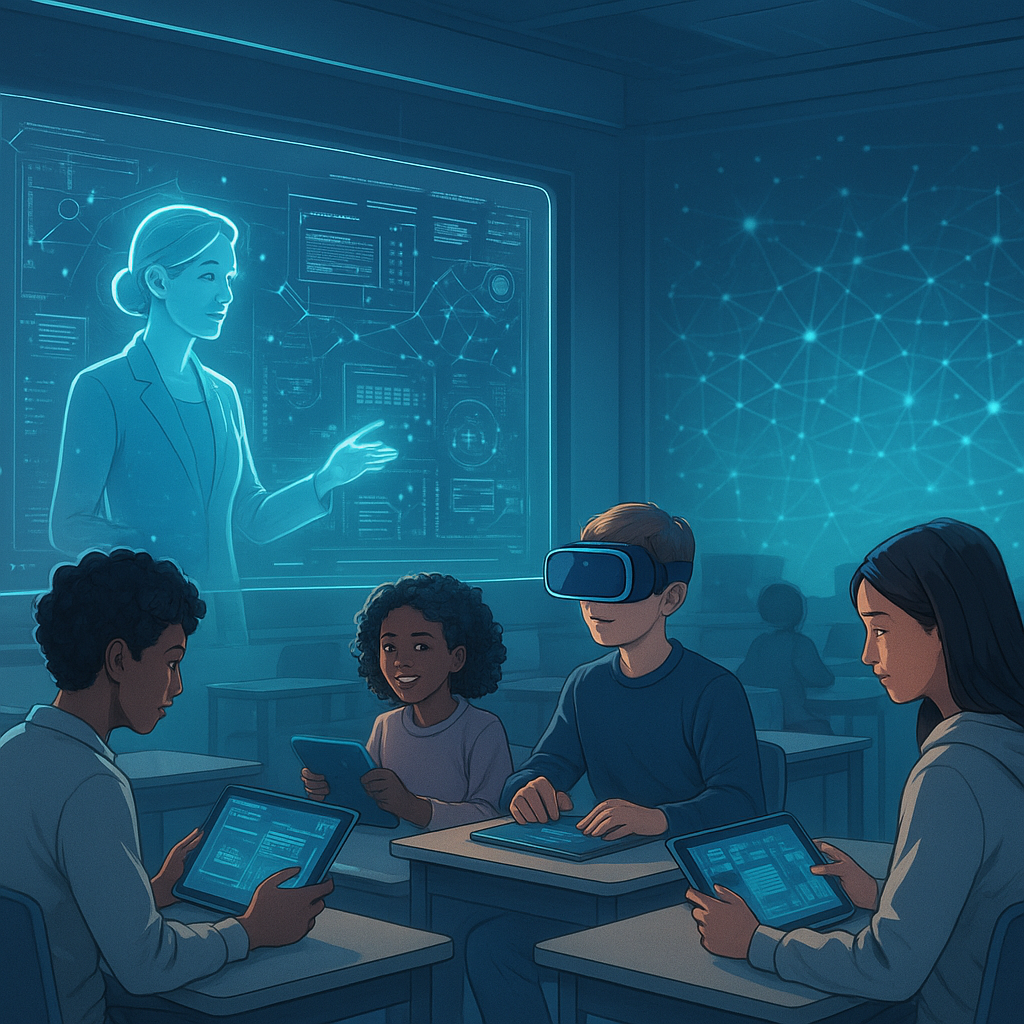
In a quiet suburb outside Boston, a high school senior named Maya logs into her virtual classroom. Unlike the early days of online education, her learning experience feels seamless and deeply personalized. Her math tutor is an AI-driven mentor, adapting problems in real-time based on her responses. She collaborates with peers across continents in immersive virtual labs, and her progress dashboard updates instantly with predictive analytics guiding her next steps.
This scene, increasingly common in 2026, illustrates the profound transformation online learning has undergone since the pandemic-era surge. According to industry reports, global online education revenue has surpassed $400 billion this year, representing a 15% annual growth rate since 2022. The integration of artificial intelligence, mixed reality, and hybrid pedagogies has shifted online learning from an emergency alternative to a central pillar of education worldwide.
"The online classroom of 2026 is no longer a place where students simply watch videos. It’s an adaptive, interactive ecosystem tailored to individual learning journeys," says Dr. Anjali Rao, Chief Innovation Officer at EdTech pioneer LuminaLearn.
As we take stock of the current state of online education, this article explores how hybrid models, AI, and technological advancements are reshaping learning experiences, the challenges that remain, and what the future holds for educators and students alike.
The Evolutionary Path: How Online Learning Arrived Here
Online education is not new. Early iterations date back to the 1990s with basic correspondence courses transitioning to web-based modules in the 2000s. However, it was the COVID-19 pandemic of 2020 that forced a rapid, global pivot to remote learning, exposing both the potential and the pitfalls of digital education.
Initial rollout phases were marked by technological disparities, engagement struggles, and a lack of standardized best practices. Yet, these challenges spurred innovation. Investment in EdTech soared, and learning platforms rapidly evolved to include interactive elements, gamification, and data-driven analytics.
By 2024, hybrid learning models had begun to stabilize, blending in-person and online elements to capitalize on the strengths of both. TheOmniBuzz covered these shifts extensively, including the piece Rethinking Learning: How 2026 Is Transforming Online Education Forever, which highlights how education systems worldwide embraced this blended approach.
Meanwhile, artificial intelligence matured from a novelty to a necessity. Adaptive learning algorithms now personalize content delivery, identify knowledge gaps, and even predict student burnout. Virtual and augmented reality technologies have introduced immersive simulations, particularly in STEM fields, creating practical, hands-on experiences previously impossible online.
“The journey from emergency remote teaching to sophisticated blended ecosystems was marked by unprecedented collaboration between educators, technologists, and policymakers,” notes Professor Marcus Lee of the Global Education Futures Institute.
Core Trends and Data: What’s Driving Online Learning Growth in 2026
The rapid adoption and sustained growth of online learning in 2026 can be understood through several key trends backed by concrete data:
- Hybrid Learning Models Dominate: A UNESCO 2026 survey shows that 68% of higher education institutions worldwide have fully integrated hybrid learning into their curricula, with many secondary schools following suit.
- AI-Powered Personalization Is Standard: Over 75% of online courses now use AI-driven platforms to tailor content and assessments, according to the EdTech Analytics Report 2026.
- Immersive Technologies Enhance Engagement: Virtual reality (VR) and augmented reality (AR) are used in 40% of STEM courses globally, with an increasing presence in humanities and arts education.
- Microcredentials and Modular Learning Grow: Learners prefer bite-sized, stackable credentials, with platforms like SkillStack and Credly reporting a 30% increase in microcertification completions since 2023.
- Global Access Expands: Satellite internet initiatives and affordable mobile devices have raised online learning participation in underserved regions by 22% in the past two years.
These data points underscore a shift from mere accessibility toward quality, engagement, and relevance. The omnipresence of AI does not replace human instructors but augments their capabilities, freeing educators to focus on mentorship and complex problem-solving.
Furthermore, the rise of learning analytics has allowed institutions to monitor outcomes and continuously refine pedagogical strategies, leading to improved retention and success rates.
2026 Developments: New Technologies and Policy Shifts
The past year alone has seen notable developments that accelerate the evolution of online learning:
- AI Tutors Become Conversational Partners: Next-generation language models now function as AI tutors capable of natural dialogue, enabling students to explore topics dynamically rather than follow rigid lesson plans.
- Metaverse Campuses Launch: Universities such as Stanford and the University of Tokyo have unveiled full-fledged metaverse campuses, blending virtual socialization with academic activities in 3D environments.
- Policy Harmonization Advances: Governments in the EU, US, and parts of Asia have agreed on frameworks for online credential recognition, easing cross-border learning and employment.
- Data Privacy Regulations Mature: With increasing data collection comes stricter oversight; new regulations ensure student data is protected without hindering innovation.
- Focus on Digital Equity Intensifies: Public-private partnerships are funding initiatives to bridge the digital divide, targeting connectivity, device availability, and digital literacy.
These shifts reflect a maturing ecosystem that balances technological possibility with ethical and practical considerations. TheOmniBuzz’s coverage in Mastering Online Learning: Proven Strategies for Exceptional Digital Education explores how educators are adapting to these changes in real-time.
“2026 is the year we move from isolated digital experiments to integrated, scalable solutions that respect learner diversity and privacy,” says Dr. Helena Schmidt, a policy advisor at the International Education Consortium.
Expert Perspectives: Voices Shaping the Future of Education
Leading voices in education and technology emphasize that the transformation of online learning is as much cultural as it is technological. Experts highlight several critical themes:
- Empathy and Human Connection: While AI enhances personalization, emotional intelligence and human mentorship remain irreplaceable. Hybrid models prioritize synchronous interactions for relationship-building.
- Faculty Training and Support: Instructors require ongoing professional development to effectively leverage new tools and pedagogies.
- Inclusivity: Courses and platforms must be designed with accessibility in mind, accommodating diverse learners including those with disabilities.
- Assessment Innovation: Traditional exams give way to project-based and competency assessments enabled by real-time analytics.
- Lifelong Learning Mindset: Online learning supports continuous skill development beyond formal education, responding to rapidly changing job markets.
Industry leaders such as EdTech CEO Javier Morales stress that the next decade will demand agility from institutions and learners alike. “Those who embrace a growth mindset, supported by adaptable technology, will thrive,” he asserts.
“The fusion of AI and human insight is unlocking unprecedented educational possibilities, but success hinges on ethical stewardship and inclusivity,” adds Professor Mia Chen, chair of the Global Digital Learning Forum.
Looking Ahead: What to Watch in Online Learning’s Next Phase
As online learning continues to evolve, several emerging trends warrant close attention:
- AI-Driven Emotional Analytics: Tools that detect learner emotions and engagement levels to provide timely interventions are under development, promising more empathetic digital experiences.
- Blockchain Credentials: Decentralized verification of academic and professional achievements will streamline global recognition and reduce fraud.
- Neurotechnology Integration: Brain-computer interfaces may soon influence personalized learning by monitoring cognitive states.
- Environmental Sustainability: Online education’s carbon footprint is being scrutinized, prompting greener data centers and digital practices.
- Policy and Ethical Frameworks: Continued dialogue on data ethics, AI transparency, and equitable access will shape regulation and platform design.
Institutions and learners who remain informed and adaptable will navigate this dynamic landscape successfully. TheOmniBuzz’s ongoing series How Online Learning Is Shaping Education’s Next Frontier offers valuable insights into these evolving trends.
Ultimately, online learning in 2026 is no longer a secondary option but a sophisticated, essential component of education ecosystems worldwide. Its trajectory promises further innovation while demanding vigilance to ensure accessibility, quality, and ethical integrity.