
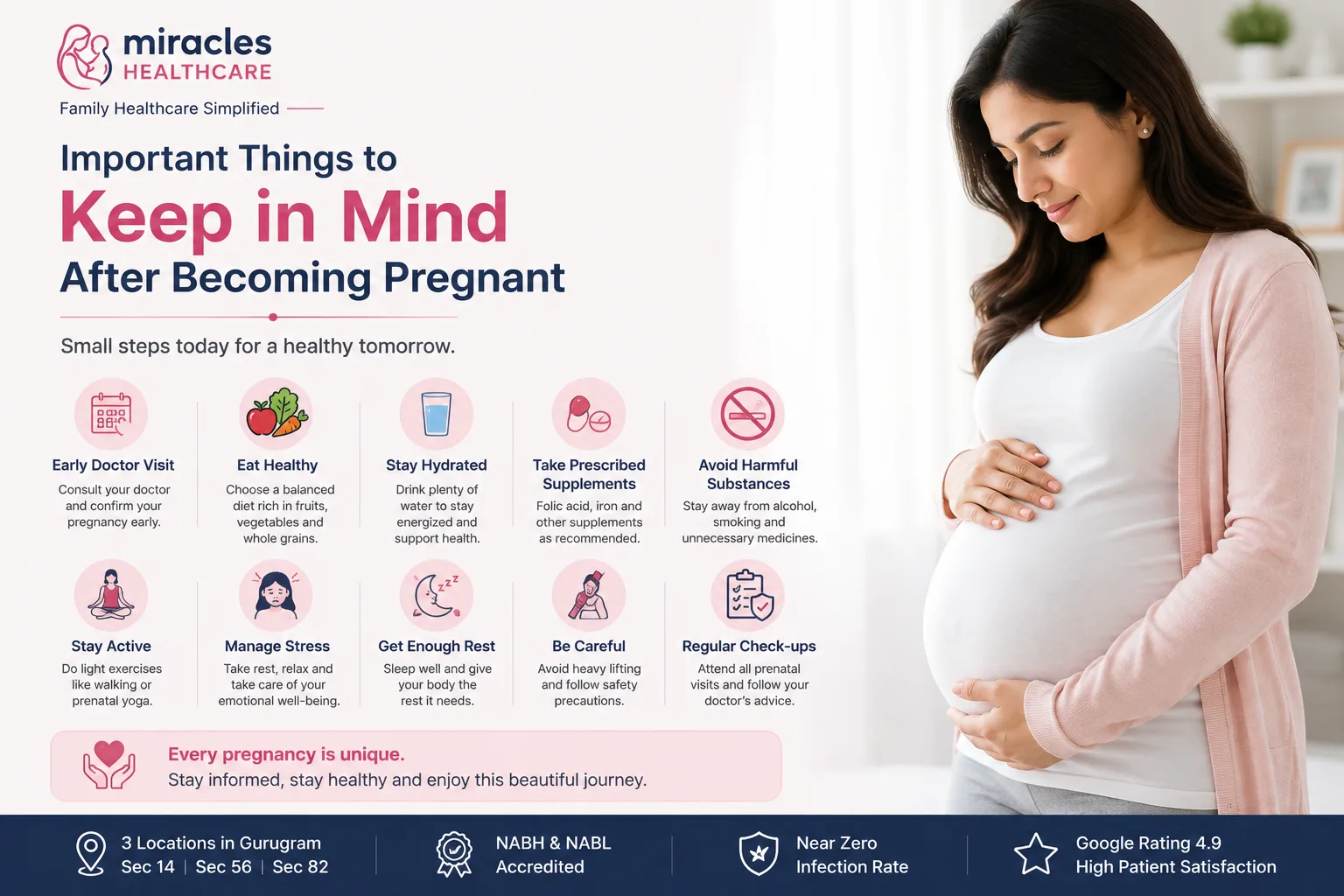
Once you come to know about your pregnancy, it is completely normal to begin wondering about both your health and the health of your child. Although this is a wonderful time in your life, there are steps you can take to ensure a healthy pregnancy.
The first six weeks are especially critical as this is the timeframe during which your baby’s organs will start forming, and body systems will begin functioning. Knowing what you can do and what you should avoid will help you feel confident and ready as you enter your full pregnancy experience.
Things to Keep in Mind After Becoming Pregnant
Schedule Your First Prenatal Check-Up
The first step you should take after finding out you are pregnant is to see a gynecologist for early prenatal care. This type of care will ensure that your pregnancy is progressing appropriately and identify any possible problems early on.
Your gynecologist will likely do one or all of the following when you visit them:
- Confirm your pregnancy.
- Determine your estimated due date.
- Perform necessary blood tests and/or imaging studies.
- Take your medical history into account.
- Provide information on prenatal vitamins.
According to Dr. Himani Kundoo, Obstetrician & Gynaecologist in Gurgaon at Miracles Healthcare in Gurgaon, "The first few weeks of pregnancy are critical for both you and your baby. Routine prenatal appointments allow the doctor to monitor fetal growth and provide timely recommendations regarding nutrition, vitamin supplementation, and lifestyle changes."
2. Start Taking Prenatal Vitamins
During pregnancy, your body needs additional nutrients to support your growing baby. The demand for folic acid rises dramatically during the early stages of pregnancy, since it will help reduce the likelihood of having neural tube defects.
The doctor may recommend any of the following:
- Folic Acid
- Iron Supplements
- Calcium
- Vitamin D
Remember to always take your supplements exactly as prescribed, and never self-medicate.
3. Eat a Balanced and Nutritious Diet
Your diet plays a vital role during pregnancy. Rather than eating more, focus on eating better. A healthy and balanced diet provides essential nutrients for your baby's growth while helping you maintain your own health.
Include
Fresh fruits and vegetables.
- Whole grains.
- Lean proteins.
- Dairy products.
- Nuts and seeds.
Try to limit
- Processed foods.
- Excessive sugar.
- Deep-fried foods.
- Unpasteurized dairy products.
4. Drinking plenty of water throughout the day is equally important.
According to Dr. Himani kundoo, "Women need to eat well to maintain good health throughout their pregnancy. Women's nutritional requirements increase greatly during pregnancy; therefore, they should ensure to eat a variety of foods from all the food groups." Eating the right amount of nutrients is important for both the developing fetus and for helping mothers remain healthy during pregnancy.
5. Avoid Smoking and Alcohol
Smoking and alcohol can affect your baby's development and increase the chance of pregnancy complications.
- Some of the Potential risks are
- Low birth weight
- Preterm birth
- Developmental problems.
- Increased pregnancy complications.
If you smoke or consume alcohol, talk to your gynaecologist about the safest ways to stop.
6. Stay Physically Active
Unless your doctor advises otherwise, staying active during pregnancy can benefit both mother and baby.
Some safe activities include
- Walking.
- Prenatal yoga.
- Swimming.
- Gentle stretches to help out.
You may experience improved circulation and emotional support.
Avoid too much strain on your body during your pregnancy and discuss any new exercise program with your doctor first.
7. Don’t Forget To Relax
Feeling fatigued during your pregnancy is normal. You will feel even more fatigued during the first few months as your body is adjusting to a new lifestyle to support you and your baby
To improve sleep quality
- Maintain a regular sleep schedule.
- Use supportive pillows.
- Do not spend too much time staring at screens before you fall asleep at night.
- Make your sleeping area as comfortable as possible.
- Try to get between 7 and 9 hours of sleep each night.
8. Take Your Medications with Caution
Not all medications are safe to take during pregnancy. Some over-the-counter (OTC) medications, herbal/alternative, and other supplements may interfere with the development of your fetus.
Before taking any medication, consult with your doctor
- Pain relievers.
- Cold and flu medications.
- Herbal products.
- Nutritional supplements.
9. Know the Warning Signs
Although most pregnancies progress normally, it is important to recognize symptoms that require immediate medical attention.
Contact a doctor if you experience
- Heavy vaginal bleeding.
- Severe abdominal pain.
- High fever.
- Persistent vomiting.
- Severe headaches.
If you experience swelling in your hands, feet, or face.
10.Take Care of Your Mental Health
Taking care of your mental health during this time, and dealing with the emotions you experience during your pregnancy will be helpful. Some helpful techniques include:
- Meditating.
- Breathing deeply.
- Talking to those around you.
- Finding a prenatal support group.
According to Dr. Himani Kundoo, Physical and mental health are equally important throughout the course of your pregnancy. She explains that managing stress levels, having an optimistic mindset, and receiving support will help to promote a more positive and healthy experience during your pregnancy.
11. Educate Yourself About Pregnancy
Pregnancy is a time to learn and prepare. Reading reliable information, attending prenatal classes, and discussing questions with your doctor can help you feel more confident.
Learning about
- Pregnancy nutrition.
- Labour and delivery.
- Breastfeeding.
- Newborn care.
12. Don't Miss Follow-Up Appointments
Even if you think everything is fine, it is very important for you to continue consulting your doctor for regular prenatal care appointments. Those visits are used to check on how your baby is developing and will allow your doctor to help you with any problem that might come up before it becomes too serious.
It is extremely important to follow the recommended schedule for your ultrasounds and office visits throughout your pregnancy.
Take the Next Step Towards a Healthy Pregnancy
Every pregnancy is unique, and having the right medical guidance can make your journey safer and more comfortable. If you are looking for an experienced gynecologist near you in Gurgaon, consult the specialists at Miracles Healthcare.
Why Choose Miracles Healthcare for Pregnancy Care in Gurgaon
- Providing quality healthcare services in Gurgaon since 2002.
- Trusted by thousands of families across the region.
- 25,000+ babies delivered with a focus on maternal and newborn safety.
- Team of 50+ experienced female gynecologists.
- Expertise in managing normal, high-risk, and complex pregnancies.
- Strong multispeciality support with fetal medicine specialists, neonatologists, pediatricians, anesthesiologists, radiologists, physicians, and critical care experts.
- Advanced diagnostic facilities and pregnancy monitoring services.
- Modern labor rooms, operation theatres, and level 3 NICU support.
- Personalized care from conception to delivery and postnatal recovery.
- Multiple locations across Gurgaon, including Sector 14, Sector 56, and Sector 82
- Easily accessible from Golf Course Road, DLF Phases 1-5, Sushant Lok, South City, Palam Vihar, Sohna Road, New Gurgaon, and Manesar.