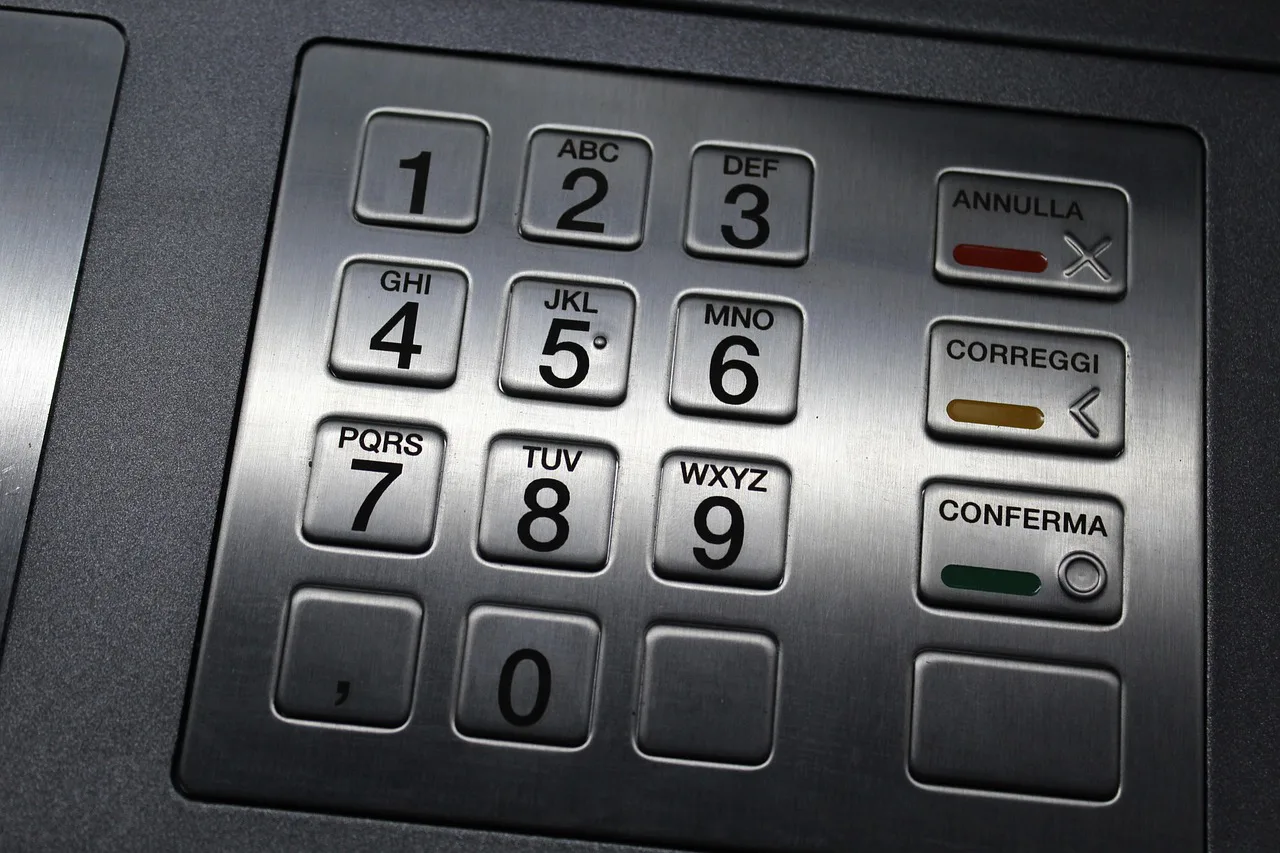
Installing an ATM can be a smart way for businesses to increase customer convenience while generating additional revenue through transaction fees. However, many business owners face an important decision before getting started: should you lease an ATM or buy one outright?
Both options allow businesses to offer ATM services to customers, but they differ in terms of upfront costs, long-term profitability, and financial flexibility. Understanding how leasing and purchasing affect cash flow and overall return on investment can help business owners choose the option that best fits their goals.
Why Businesses Install ATMs
ATMs provide more than just convenience for customers. Many businesses also create a new revenue stream.
Every time a customer withdraws cash, a surcharge fee is typically added to the transaction. Depending on whether you lease or buy an ATM, the business owner may receive part or all of that fee.
Businesses that commonly benefit from ATM installations include:
- Convenience stores
- Bars and nightclubs
- Restaurants
- Entertainment venues
- Retail stores
Because these businesses often serve customers who use cash, ATMs can increase spending while generating additional income from withdrawal fees.
Leasing an ATM: Lower Upfront Costs
Leasing an ATM is often appealing to business owners who want to avoid a large upfront investment.
With a lease agreement, the business pays a monthly fee to use the ATM rather than purchasing the machine outright. This arrangement can make it easier to install an ATM without committing significant capital upfront.
Advantages of leasing may include:
- Lower initial costs
- Predictable monthly payments
- Potential equipment upgrades after the lease term
For businesses focused on preserving short-term cash flow, leasing can be a simple way to add an ATM service quickly.
However, leasing typically means the business does not fully own the machine during the lease period, which can affect long-term profitability.
Buying an ATM: Greater Long-Term Profit Potential
Purchasing an ATM requires a higher upfront investment, but it offers several advantages for businesses thinking about long-term returns.
When a business buys an ATM, it usually gains full control over the machine and the surcharge fees generated by transactions.
Benefits of purchasing an ATM often include:
- Full ownership of the machine
- Greater control over surcharge pricing
- No ongoing lease payments
- Higher long-term revenue potential
For businesses with steady customer traffic, owning an ATM can lead to greater profitability over time because all transaction income belongs to the owner.
Comparing Long-Term Costs
When deciding whether to lease or buy an ATM, consider the long-term financial impact.
Leasing spreads payments over time, which may seem more affordable in the short term. However, monthly payments over several years may exceed the cost of purchasing a machine outright.
Buying an ATM requires more capital initially, but it often results in lower total costs over the machine's lifespan.
Business owners should evaluate:
- Available startup capital
- Monthly cash flow priorities
- Expected transaction volume
- Long-term business plans
These factors help determine which option makes the most financial sense.
Choosing the Right ATM Solution
Every business has different financial goals and operational needs. Some companies prioritize minimizing upfront costs, while others focus on maximizing long-term revenue.
Understanding the differences between leasing and purchasing helps entrepreneurs make informed decisions that support their business strategy.
ATM Mega Store simplifies the ATM buying process by offering a fast, online-first purchasing experience with clear pricing and dependable support for small- and medium-sized businesses. Their mission is to make ATM ownership easier and more accessible for businesses nationwide.
By carefully evaluating the benefits of leasing versus buying, business owners can choose the ATM solution that best supports their cash flow, profitability, and long-term growth.
About The Author
The author is an ATM solutions specialist with expertise in helping business owners evaluate leasing versus purchasing options. She guides clients through cost considerations, cash flow planning, and long-term ROI. Her insights focus on choosing the right ATM strategy to support growth, operational efficiency, and consistent revenue generation.