
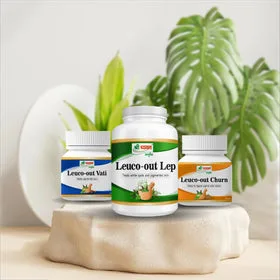
White patches on the skin can be unsettling, especially when they appear on the face, hands, or other visible areas. A person may notice a small pale spot one morning and wonder what caused it. Leucoderma, commonly associated with vitiligo, involves the loss of skin colour in certain areas. People looking for leucoderma ayurvedic treatment may consider traditional Ayurvedic care alongside advice from a qualified skin specialist. Brands such as Shri Chyawan Ayurved also focus on Ayurvedic approaches for skin wellness, but proper diagnosis should come first.
What Is Leucoderma?
Leucoderma is a term commonly used for patches where the skin loses its normal colour. Vitiligo is one condition that can cause this kind of depigmentation. The patches may start small and gradually become more noticeable.
The colour of our skin comes mainly from melanin, a pigment produced by cells called melanocytes. In vitiligo, these pigment-producing cells are damaged or lost in affected areas.
The pattern is different for everyone. Some people develop a few small patches, while others experience wider areas of depigmentation. It can affect the hands, feet, face, lips, elbows, knees, or other parts of the body.
And no, it isn't something a person gets because they were careless about skin hygiene. That old assumption can be hurtful.
Why Do White Patches Appear?
The exact cause of vitiligo is not fully understood. It is widely considered an autoimmune condition, where the immune system mistakenly attacks melanocytes.
Family history may play a role. Certain environmental or physical triggers have also been studied, though there isn't one single cause that explains every case.
This is one reason a proper skin examination matters. Not every white patch is vitiligo. Fungal infections, scars, certain inflammatory skin conditions, and other causes can also change skin colour.
A dermatologist can help identify what is actually happening before someone starts any treatment.
Leucoderma Ayurvedic Treatment: A Traditional View
Ayurveda has its own traditional understanding of skin disorders and has used herbs, diet guidance, external applications, and daily routines as part of skin care.
People searching for Ayurvedic treatment for leucoderma often want a gentle, traditional option rather than relying only on modern medicines. Ayurvedic practitioners may assess a person's overall health, digestion, lifestyle, diet, and skin condition before suggesting a course of care.
Herbs traditionally discussed in Ayurvedic skin care include neem, turmeric, bakuchi, manjistha, and other plant-based ingredients. Bakuchi, in particular, has a long history of use in traditional Ayurvedic preparations for skin conditions.
Still, traditional use and modern medical evidence are not the same thing. Some Ayurvedic ingredients can cause irritation or increased sensitivity to sunlight, especially when applied incorrectly. So using concentrated herbs at home without professional guidance isn't a great idea.
Can Ayurveda Restore Skin Colour?
This is probably the question most people want answered.
There is no guaranteed Ayurvedic cure for vitiligo, and no treatment can promise that every depigmented patch will regain its original colour. Vitiligo can behave differently from one person to another.
Medical treatments may include topical medicines, phototherapy, or other options depending on the type and extent of vitiligo. Some people also explore Ayurvedic care as a complementary approach.
If you choose leucoderma ayurvedic treatment, it is sensible to discuss it with both your dermatologist and a qualified Ayurvedic practitioner. That gives you a clearer idea of what may be suitable for your particular skin condition.
Everyday Skin Care Matters
Skin with depigmented patches can be more vulnerable to sunburn because it has less melanin for natural protection.
Using sunscreen and covering exposed areas with suitable clothing can help reduce sun damage. A hat can be useful too, especially during strong afternoon sunlight.
Try not to scrub white patches aggressively. Strong soaps, frequent exfoliation, and random home remedies can irritate the skin. Lemon juice is one common example. It sounds harmless because it comes from a fruit, but putting acidic substances on sensitive skin and then going into sunlight can cause problems.
Gentle skin care is usually a much calmer choice.
Food and Lifestyle Support
There isn't a special diet proven to cure vitiligo. Still, eating a varied, nutritious diet is good for general health and supports normal body functions.
Include vegetables, fruits, whole grains, pulses, nuts, seeds, and suitable sources of protein in regular meals. Drinking enough water and maintaining regular sleep can also help you feel better overall.
Some people worry that certain foods directly cause vitiligo. There isn't a simple food list that explains why someone develops the condition. Rather than cutting out large groups of foods based on internet advice, speak with a healthcare professional if you suspect a dietary issue.
A little common sense goes a long way here.
Shri Chyawan Ayurved and Ayurvedic Skin Care
Shri Chyawan Ayurved offers Ayurvedic products based on traditional herbal practices. People interested in natural skin care may consider such products as part of a broader wellness routine.
If you are considering an Ayurvedic product for leucoderma or pigmentation concerns, check the ingredient list and directions carefully. Do not apply an unfamiliar herbal preparation to large areas of skin without professional guidance.
Children, pregnant women, people with sensitive skin, and those taking regular medicines should be particularly careful before starting herbal treatments.
Don't Forget the Emotional Side
Visible skin changes can affect confidence. Someone may stop wearing certain clothes, avoid photographs, or feel uncomfortable meeting people. Those feelings are real.
Vitiligo isn't contagious. You cannot catch it by touching someone, sharing food, sitting beside them, or shaking hands.
Sometimes the hardest part isn't the patch itself. It's the reactions from other people.
Talking openly with family members, trusted friends, a dermatologist, or a support group can make things easier. Skin colour does not decide a person's worth, even though it can take time to genuinely feel that way.
When Should You See a Dermatologist?
See a dermatologist if you notice new white or unusually pale patches, particularly if they are spreading or appearing in several places.
A professional can examine the skin and rule out other conditions that may look similar. Early assessment can also give you more choices for managing the condition.
If you're already receiving treatment, tell your healthcare provider about any Ayurvedic medicines or herbal products you plan to use. Combining different treatments without guidance isn't something to experiment with.
Frequently Asked Questions
What is leucoderma ayurvedic treatment?
Leucoderma ayurvedic treatment refers to traditional Ayurvedic approaches used for skin depigmentation concerns. It may involve herbal preparations, diet advice, lifestyle practices, or external applications under professional guidance.
Can Ayurvedic medicine cure leucoderma permanently?
There is no guaranteed Ayurvedic cure for vitiligo. Treatment results vary, and claims of permanent recovery should be approached carefully.
Is leucoderma the same as vitiligo?
The terms are sometimes used interchangeably in everyday conversation, but leucoderma can describe loss of skin colour from different causes. Vitiligo is a specific condition involving loss of melanocytes.
Can people with vitiligo live a normal life?
Yes. Vitiligo is not contagious, and people with the condition can live active, healthy lives. Sun protection and appropriate skin care are useful.
Can I use Ayurvedic herbs on white patches?
Don't apply concentrated herbs or homemade preparations without guidance. Some ingredients can irritate the skin or increase sensitivity to sunlight.
A few white patches can bring a lot of questions with them. That's understandable. Rather than chasing every remedy you see online, start with a proper diagnosis, learn what is happening to your skin, and then choose your care options carefully. Ayurvedic practices may have a place in that journey, especially when used thoughtfully alongside appropriate medical guidance.