
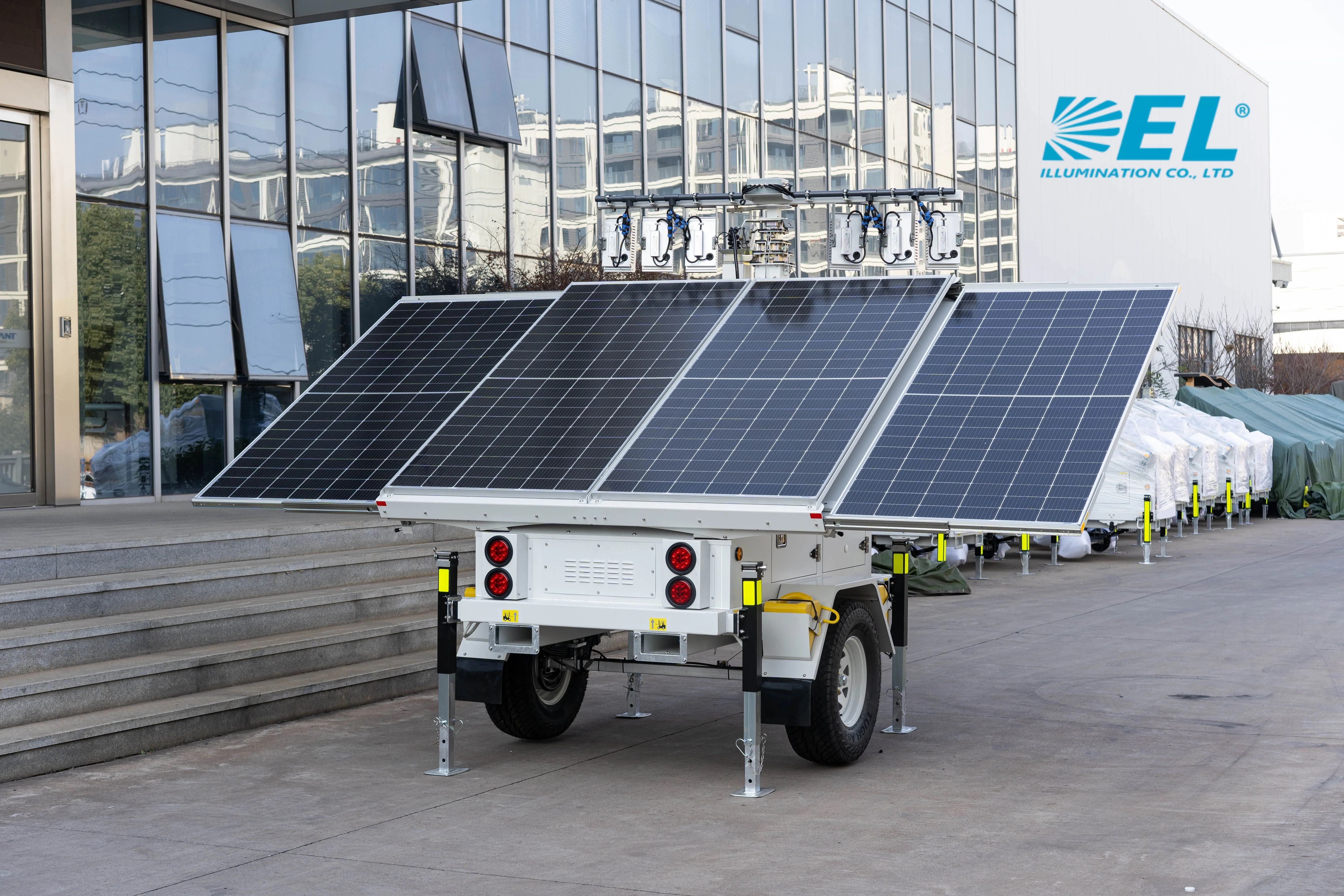
Across Nigeria, thousands of rural communities have lived for generations under the cover of darkness once the sun goes down. For these villages, nightfall has long meant the end of productive activity, heightened safety risks, and isolation from the opportunities that reliable lighting brings. But a quiet revolution is now underway. Solar powered street lighting is spreading across the country's roads and neighborhoods, and it is changing rural life in ways few could have imagined a decade ago.
The shift toward Solar LED Street Lights for Nigerian roads represents more than just a technological upgrade. It is a practical answer to some of the country's most persistent challenges: unreliable electricity, high fuel costs, and the safety concerns that come with poorly lit public spaces. As these lights appear along more rural roads, they are quietly reshaping how communities live, work, and grow.
The Problem with Traditional Lighting in Rural Nigeria
To understand why solar street lights matter so much, it helps to look at what came before. Grid electricity in Nigeria has always been inconsistent, and rural areas suffer the most. Many villages sit far from the national grid entirely, while others experience power for only a few hours a day. Extending grid connections to remote communities is expensive, slow, and often not economically viable for utility providers.
Where lighting did exist, it usually relied on diesel or petrol generators. These are noisy, polluting, and increasingly costly to run as fuel prices climb. For cash strapped local councils and community developers, keeping generators fueled and maintained was simply unsustainable. The result was that most rural roads remained completely dark at night, creating conditions where accidents, crime, and general insecurity thrived.
This is the gap that solar technology fills so effectively. By capturing free energy from the sun during the day and storing it for use at night, solar street lights sidestep every major obstacle that made traditional lighting impractical in rural Nigeria.
How Solar Street Lights Work
The concept is elegantly simple. Each solar street light is a self contained unit that combines a solar panel, a rechargeable battery, an LED lamp, and an intelligent controller. During daylight hours, the panel converts sunlight into electricity and stores it in the battery. As dusk falls, the controller automatically switches the LED on, drawing power from the stored charge to illuminate the road through the night.
Because each unit operates independently, there is no need for underground cabling, grid connections, or a central power source. This makes installation remarkably fast and cost effective, even in the most remote locations. A team can set up lights along a rural road in a matter of days, without the disruption and expense of major infrastructure works.
LED technology adds another layer of efficiency. LEDs consume far less energy than older lighting types while producing bright, clear illumination, which means smaller batteries and panels can keep a light running reliably from dusk to dawn.
Transforming Safety on Rural Roads
The most immediate and visible benefit of solar street lighting is improved safety. Well lit roads dramatically reduce the risk of nighttime accidents, giving drivers, motorcyclists, and pedestrians the visibility they need to navigate safely. In communities where people once avoided traveling after dark, roads are now usable at all hours.
Lighting also acts as a natural deterrent to crime. Dark, unlit areas provide cover for theft, assault, and other criminal activity. When streets are illuminated, that cover disappears, and residents report feeling far safer moving around their communities in the evening. For women, children, and the elderly in particular, this restored sense of security is transformative.
Economic and Social Ripple Effects
The impact of street lighting extends well beyond safety. When roads and public spaces are lit, economic and social life can continue after sunset. Market traders can keep their stalls open longer. Small businesses can extend their hours. Students gain safe, lit spaces to gather and study. Community events, prayers, and social gatherings are no longer forced to end when daylight fades.
This extension of productive hours has real economic value. In many rural communities, the few hours after sunset were essentially lost time. Solar lighting reclaims those hours, allowing commerce and community life to flourish. Over time, this contributes to stronger local economies and a greater sense of connection between neighbors.
There is also an important cost dimension. Because solar street lights run entirely on free sunlight, they carry zero fuel costs and require very little maintenance. For local councils and community developers operating on tight budgets, this predictability is invaluable. After the initial installation, the lights essentially run themselves for years, freeing up scarce resources for other pressing needs.
Sustainability and Long Term Value
Beyond the immediate benefits, solar street lighting aligns with Nigeria's broader push toward cleaner, more sustainable development. Every solar light installed means one less generator burning fuel and releasing emissions. As more communities adopt the technology, the collective environmental benefit grows.
The durability of modern solar lighting systems adds to their value. Built to withstand harsh weather, dust, and intense heat, quality units are designed for long lifespans, often operating reliably for years with minimal intervention. This makes them a genuinely long term investment rather than a temporary fix.
A Brighter Future for Rural Nigeria
The spread of Solar LED Street Lights for Nigerian roads is a reminder that meaningful progress does not always require massive, complex infrastructure. Sometimes the most effective solutions are the simplest ones, deployed thoughtfully where they are needed most.
For rural communities that have spent generations in darkness, each newly lit road represents something bigger than illumination. It represents safety, opportunity, dignity, and a tangible sign that development is reaching them at last. As government bodies, local councils, and community developers continue to embrace this technology, the map of nighttime Nigeria is slowly but surely brightening.
The transformation is already visible in countless villages where children now play safely in the evening, traders keep their businesses open longer, and roads once feared after dark have become vibrant, active spaces. Solar street lighting is not just lighting up Nigeria's roads. It is lighting up the future of its rural communities, one bright, dependable lamp at a time.