When space, weight, and reliability matter, Lightweight Rigid Solar Panels provide a practical solar solution for mobile and off-grid applications. Bright Solar designs lightweight rigid solar modules that combine strong durability with efficient energy generation, making them ideal for RV owners, boat users, outdoor enthusiasts, and independent power projects.
Traditional solar panels have always been known for their strength, but many users hesitate because of their heavy weight and difficult installation. Modern lightweight rigid solar technology changes that experience. These panels offer a solid structure while reducing unnecessary weight, helping installers achieve better performance without adding excessive load.
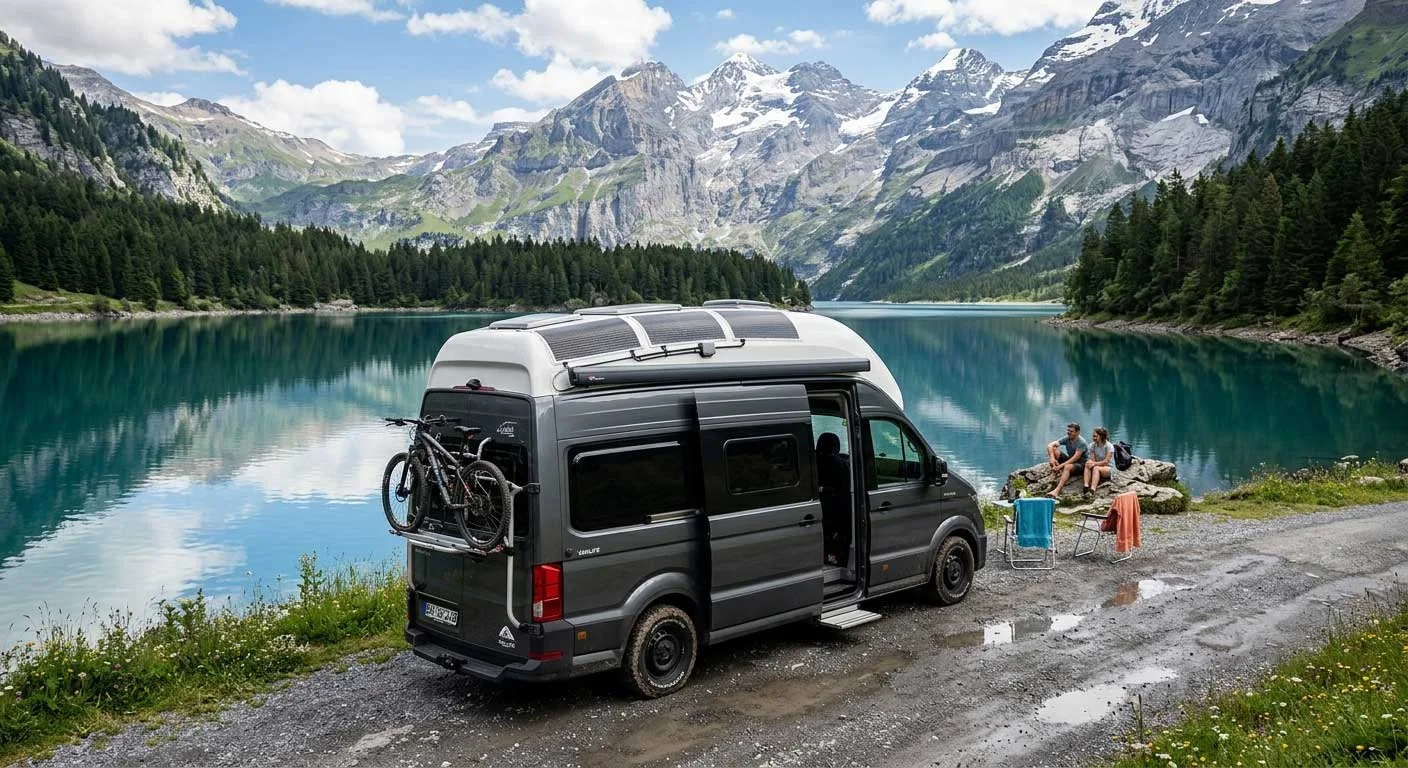
For RV applications, every kilogram matters. I have seen many customers upgrading their camper electrical systems struggle with limited roof capacity. A heavy solar setup can reduce flexibility and increase installation challenges. Lightweight rigid panels provide a balance between strength and portability, allowing RV owners to generate clean energy while keeping their vehicles efficient.

Why Choose Lightweight Rigid Solar Panels?
One of the biggest advantages of Lightweight Rigid Solar Panels is their combination of durability and easy installation. Unlike traditional heavy glass solar panels, lightweight designs are easier to transport, handle, and mount.
Bright Solar uses advanced materials and manufacturing processes to create panels suitable for demanding environments. Whether installed on an RV roof, yacht deck, cabin, or remote monitoring station, these solar panels are built to deliver stable power output.
Key benefits include:
- Reduced weight for easier transportation and installation
- Strong rigid construction for long-term outdoor use
- High conversion efficiency for limited spaces
- Reliable performance in different weather conditions
- Compatibility with RV, marine, and off-grid energy systems
Lightweight Solar Panels for RV and Marine Applications
RV and marine users often face the same challenge: limited installation space. A solar panel must provide enough power without creating unnecessary structural stress.
For RV owners, lightweight rigid solar panels are commonly used to charge batteries, power lighting systems, refrigerators, communication devices, and other onboard equipment. Their compact design helps maximize available roof space.
Marine environments require even higher durability. Saltwater, strong sunlight, and changing weather conditions can quickly damage poor-quality solar products. Choosing a reliable rigid solar panel designed for outdoor exposure helps maintain consistent energy production during long journeys.
Built for Real-World Off-Grid Energy Needs
Off-grid solar systems are not only used in remote homes. Today, they support cabins, emergency equipment, agricultural monitoring systems, and outdoor projects.
A customer recently shared a common problem with our team: his remote cabin needed additional power capacity, but the roof structure could not support heavy traditional modules. After switching to lightweight rigid solar panels, the installation became much easier while maintaining reliable daily energy production.
These real-world situations show why weight reduction is becoming an important factor in solar system design.
How Do Lightweight Rigid Solar Panels Compare with Flexible Panels?
Flexible solar panels are popular because they can adapt to curved surfaces and unusual installations. However, rigid panels usually provide better mechanical protection and long-term structural stability.
The right choice depends on the application:
- Flexible panels: Better for curved surfaces, temporary setups, and ultra-light installations
- Rigid panels: Better for permanent installations requiring durability and higher protection
For users who need a dependable solar system for years, lightweight rigid solar panels often provide a strong balance between performance and convenience.
Choosing the Right Lightweight Rigid Solar Panels
Before purchasing, consider several important factors:
Power output:
Select wattage based on your daily energy requirements and battery capacity.
Installation area:
Measure available space carefully, especially for RV roofs and marine surfaces.
Environmental conditions:
Consider exposure to wind, rain, heat, and humidity.
Quality materials:
Reliable solar panels should have durable protection layers and stable electrical performance.
At Bright Solar, we focus on creating solar products that meet practical customer needs rather than only focusing on specifications. Every project has different requirements, and choosing the correct panel design can significantly improve the overall solar experience.
Final Thoughts
Lightweight Rigid Solar Panels offer a reliable way to achieve efficient solar power without adding unnecessary weight. From RV adventures to marine exploration and remote off-grid projects, these panels provide a practical combination of strength, efficiency, and installation convenience.
As solar technology continues to improve, lightweight designs will play a bigger role in portable and independent energy solutions. Bright Solar continues to develop solar products that help customers build smarter, cleaner, and more flexible power systems.