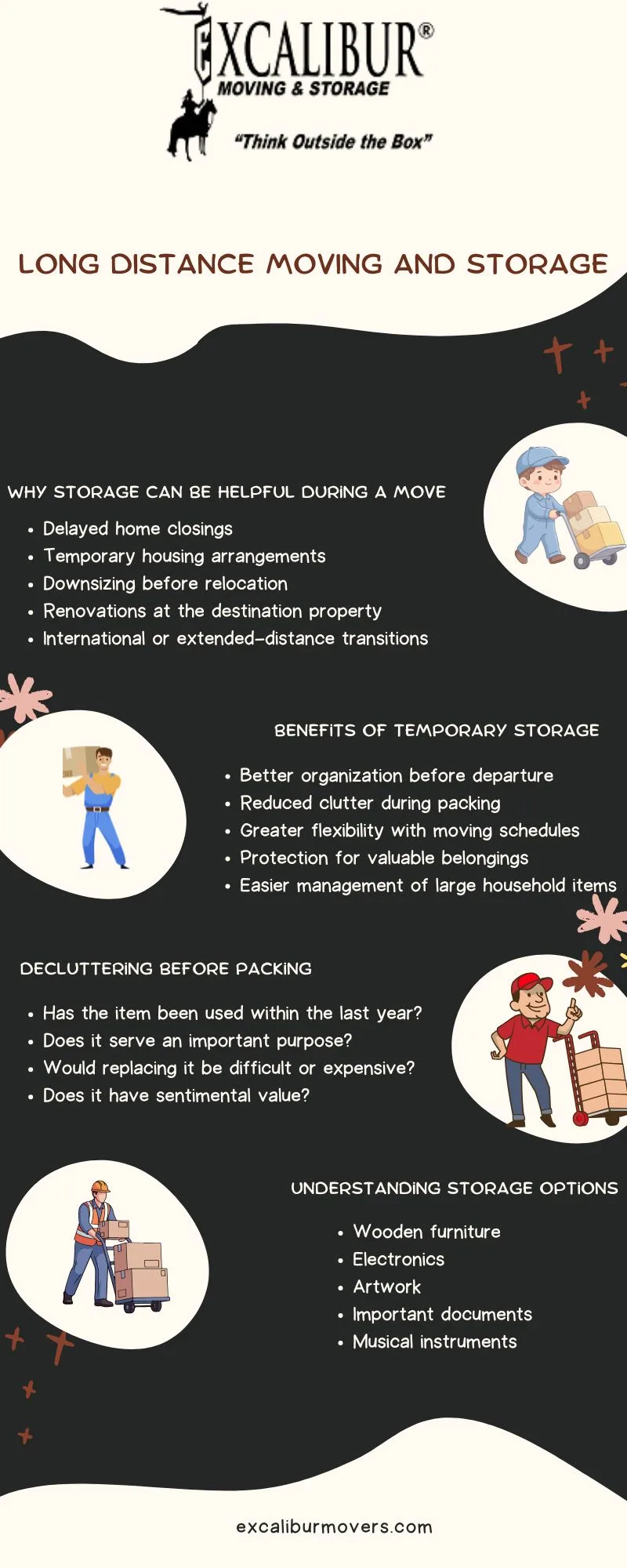
Moving to another state or relocating several hundred miles away involves more planning than a typical local move. Long Distance Moving and Storage can be useful when belongings need to travel a significant distance while the destination is not immediately ready to receive them. Understanding how transportation, packing, temporary storage, and delivery work together can help beginners prepare more effectively and avoid unnecessary problems.
A long-distance relocation may involve moving a household, office, business equipment, vehicles, or other property. Since the process can take more time and involve several stages, planning ahead is one of the most important parts of a successful move.
What Is Understanding Moving, Storage, Costs, and Best Practices
Long-distance moving generally refers to relocating belongings over a substantial distance, often between different states or regions. Storage becomes part of the process when belongings need to remain in a secure location for a period before they can be delivered to their final destination.
For example, a family may need to leave its current home before the new property is available. Instead of transporting everything directly and finding temporary space independently, the belongings can be moved into storage until the destination is ready. The same situation can occur when a business changes locations, renovates an office, or needs additional time to prepare a new facility.
The process usually involves several stages, including packing, loading, transportation, storage when required, retrieval, and final delivery. Understanding these stages before moving day makes it easier to organize responsibilities and create a realistic schedule.
When Is Storage Useful During a Move?
Storage is not necessary for every relocation, but it can provide flexibility when the moving schedule does not match the availability of the destination property. A common example is a delayed home closing. Someone may need to vacate their current residence even though they cannot move into the new home yet.
Storage can also be useful during home renovations, temporary work assignments, downsizing, relocation between rental properties, or business transitions. Instead of rushing to find a permanent location for every item, belongings can remain stored until a suitable destination is ready.
The length of storage depends on the situation. Some people require storage for only a few days or weeks, while others may need it for several months. Before selecting a storage arrangement, it is important to understand the storage period, access rules, pricing structure, and conditions provided for stored belongings.
Benefits of Combining Moving and Storage
Combining transportation and storage can make a complicated relocation easier to coordinate. When moving and storage requirements are planned together, the schedule can account for pickup, transportation, storage, and final delivery instead of treating each stage as a completely separate task.
One major benefit is flexibility. A person does not necessarily have to move everything directly into the new property on the same day. If the destination is delayed, temporary storage can provide additional time without requiring the belongings to remain at the old property.
Another benefit is organization. A planned process allows belongings to be inventoried before they are transported. Boxes can be labeled according to rooms or categories, making it easier to determine what has been packed, stored, and eventually delivered.
Storage can also help during business relocations. Companies may need to move furniture, equipment, records, or supplies while continuing normal operations. A temporary storage period can allow the business to prepare the new location without having every item delivered immediately.
Long Distance Moving and Storage For Fleets
Businesses with multiple vehicles or operational assets may have different requirements from residential customers. Key Steps for an Organized Long-Distance Move For Fleets can involve coordinating the relocation of several vehicles, equipment, tools, or other business assets between locations.
Fleet relocation requires careful scheduling because vehicles may be connected directly to daily operations. Moving too many vehicles at the same time could affect business activities, while moving them individually may require additional planning and time.
Before beginning a fleet relocation, businesses should create a detailed inventory. Vehicle identification numbers, mileage, existing damage, keys, accessories, and documentation should be recorded. Taking photographs before transportation can also provide a useful condition record.
The same principle applies to business equipment. Each item should be identified and documented before loading. A designated employee or manager can oversee the inventory and communicate important information throughout the relocation process.
Comparing Different Moving and Storage Options
Not every move requires the same type of service. The right arrangement depends on the distance, amount of property, timing, budget, and whether storage is needed.
Moving OptionSuitable ForMain ConsiderationDirect movingHomes ready for immediate occupancyRequires coordinated deliveryMoving with temporary storageDelayed move-in datesAdds storage planningSelf-storage with separate transportationPeople wanting more controlRequires additional coordinationMoving and storage togetherMore complicated relocationsSimplifies schedulingFleet relocationBusinesses with multiple vehiclesRequires detailed inventory and timing
A direct move can be relatively straightforward when the destination is ready. However, when there is a gap between moving out and moving in, temporary storage can provide greater flexibility. Self-storage may provide more direct control, but it also means the customer may need to coordinate transportation and storage separately.
Common Mistakes to Avoid
One of the most common mistakes is waiting until the last minute. Long-distance moves involve more planning than many beginners expect. Transportation availability, packing, storage arrangements, and destination access should be considered well before the scheduled moving date.
Another mistake is failing to create an inventory. Without a written record, it can be difficult to determine whether all belongings arrived at the destination. A simple inventory can include box numbers, descriptions, room names, and notes about valuable or fragile items.
Poor labeling is another frequent problem. When boxes are packed without a consistent system, finding essential belongings can become frustrating after delivery. Clear labels on multiple sides of each box can make the unloading and unpacking process much easier.
People also sometimes underestimate the importance of checking storage conditions. Certain belongings may require specific environmental conditions, while some materials may not be permitted in storage at all. Storage rules should therefore be reviewed before packing.
Finally, customers should avoid comparing moving estimates based only on the lowest price. A cheaper estimate may not include every service required for the relocation. Reviewing what is included can provide a more meaningful comparison.
Expert Tips for Planning a Long-Distance Move
A long-distance relocation is easier to manage when it is divided into smaller tasks. Instead of trying to complete everything during the final few days, begin with a basic timeline and assign different responsibilities to specific weeks.
Start by deciding what actually needs to be moved. Moving is often a good opportunity to remove belongings that are no longer useful. Furniture, clothing, appliances, and other possessions that are no longer needed can be donated, sold, recycled, or discarded before packing begins.
Important documents and essential personal items should remain accessible. Passports, identification documents, financial records, medications, chargers, valuables, and several days of clothing should not be packed in boxes that may remain in storage.
Photographing valuable furniture, electronics, appliances, or business equipment before transportation is also a useful practice. These photographs can create a simple record of the condition of belongings before the move.
Another important tip is to confirm the moving schedule in writing. Pickup dates, storage periods, delivery details, addresses, access instructions, and other important arrangements should be reviewed before moving day.
Best Practices for Long-Distance Moving
Good organization can prevent many avoidable problems. Start by preparing an inventory and deciding which belongings will travel directly to the destination and which, if any, will go into storage.
Boxes should be packed according to a consistent system. Grouping similar belongings together and labeling boxes by room or category makes the final unpacking process more manageable. Fragile items should also receive appropriate protection rather than being mixed randomly with heavier objects.
It is useful to maintain a separate essentials bag for the first few days. This can include clothing, toiletries, basic kitchen items, chargers, important documents, and other necessities.
For larger relocations, maintaining a digital copy of the inventory can be helpful. Photographs and notes can be stored together so that information remains accessible throughout the moving process.
Businesses should also establish a single point of contact for the relocation. Having one person responsible for schedules, inventory, and communication can reduce confusion when multiple employees or locations are involved.
How Much Does A Complete Guide to Planning a Smooth Move Cost?
There is no standard price for every long-distance relocation. The final cost can depend on the distance, total shipment size, number of belongings, packing requirements, storage duration, transportation arrangements, timing, and additional services.
Storage can add another cost because the belongings need to be handled, stored, and eventually retrieved for delivery. The length of time required can therefore have a direct effect on the overall expense.
When comparing estimates, it is useful to look beyond the total price. Check whether transportation, loading, unloading, packing, storage, handling, and other requested services are included.
A written estimate can make comparisons easier because it provides a clearer understanding of what has been included. Customers should also ask about circumstances that could result in additional charges.
Preparing for Moving Day
The final days before a move should focus on organization rather than last-minute packing. Items that are going into storage should already be labeled and separated from belongings that will remain accessible.
Walkways should be clear so that boxes and furniture can be moved safely. Important items that should not be transported should be placed separately and clearly identified.
Before loading begins, review the inventory and document valuable belongings. After loading, confirm that important items have been accounted for and that the destination address and delivery instructions are correct.
Keeping essential belongings with you can also make the first few days easier. This is particularly important when the delivery schedule involves a significant travel distance or a temporary storage period.
People Also Ask
What is considered a long-distance move?
A long-distance move generally involves transporting belongings over a substantial distance, often across state lines. The exact classification can vary depending on the moving provider and applicable regulations.
Is storage necessary for a long-distance move?
No. Storage is only needed when belongings cannot or should not be delivered immediately. It is commonly used when there is a gap between the move-out and move-in dates.
How early should I plan a long-distance move?
Planning several weeks ahead is generally helpful. Moves involving storage, multiple locations, businesses, or large inventories may require additional preparation.
What should I keep with me during a long-distance move?
Important documents, medications, valuables, chargers, basic clothing, and other immediate necessities should generally remain accessible instead of being placed in storage.
Frequently Asked Questions
How long does a long-distance move take?
The timeframe varies depending on distance, shipment size, route, scheduling, weather, and delivery arrangements. A specific estimate usually requires information about the origin, destination, and size of the move.
Can furniture be placed in storage during a move?
Yes. Furniture can commonly be stored when there is a temporary gap between locations. The storage environment and provider's rules should be considered before placing furniture in storage.
Should I make an inventory before moving?
Yes. An inventory provides a record of what is being transported and can make it easier to organize belongings and check them after delivery.
What items should not be placed in storage?
Perishable, flammable, hazardous, or otherwise restricted materials may not be accepted by storage facilities. Customers should review the provider's restrictions before packing.
Can businesses use long-distance moving and storage services?
Yes. Businesses may need transportation and temporary storage for office furniture, equipment, records, supplies, or vehicles. Business moves generally require more detailed inventory and scheduling.
How can I make a long-distance move easier?
Start planning early, remove unnecessary belongings, create an inventory, label boxes clearly, protect fragile items, keep essential belongings accessible, and confirm all important arrangements in writing.
What should I compare when reviewing moving estimates?
Compare the services included, transportation arrangements, storage costs, packing requirements, estimated delivery schedule, liability or valuation options, and potential additional charges rather than comparing only the headline price.
Long-distance relocation becomes easier when transportation, packing, storage, and delivery are treated as connected parts of the same process. Long Distance Moving and Storage can be particularly useful when there is a delay between leaving one property and entering another, or when a business needs additional time to prepare its destination.
The most effective approach is to plan early, maintain a clear inventory, protect valuable belongings, understand storage requirements, and review the moving agreement carefully. A Complete Guide to Planning a Smooth Move
is not simply about transporting boxes from one place to another; it involves coordinating several stages so that belongings can move safely and efficiently from the original location to the final destination.
Contact Us :
- Excalibur Movers Santa Monica
- 1450 2nd St #119, Santa Monica, CA 90401
- 18775577777