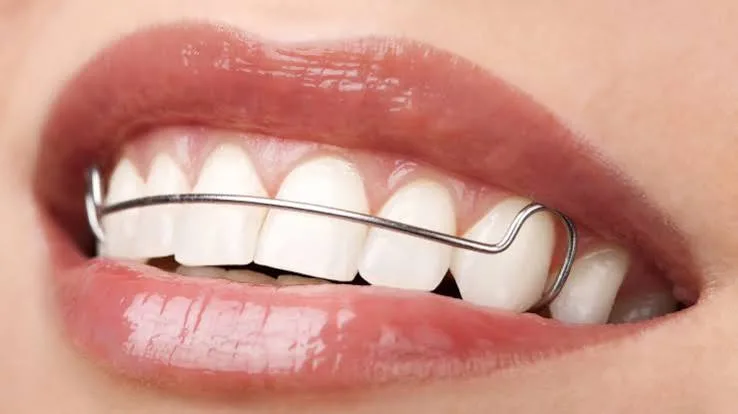
You've finished braces or aligners, your smile looks fantastic, and then it happens. The retainer goes missing, cracks in half, or gets chewed by the dog. It's an easy thing to panic about, and for good reason: teeth can start drifting surprisingly quickly without one. Retainers are what keep all that hard work in place, so here's what to do if yours is lost or damaged.
Why Retainers Matter So Much
After treatment, the bone and gum fibers around your teeth need time to settle. Until they do, teeth have a natural tendency to move back toward where they started. Even years later, teeth can keep shifting slightly with age, grinding, or habits like tongue thrusting. That's why many orthodontists recommend wearing a retainer at night for the long term. The first few months after braces come off are also important. The teeth are still settling during that time, so retainers are usually worn more often in those early months before switching to nights only.
What to Do If You Lose Your Retainer
If you lose your retainer, the first step is simple: call your orthodontist right away. Don't wait for your next routine visit. The sooner a replacement is made, the less chance your teeth have to move.
While you wait, check whether you have an older retainer or your last set of aligners. If one of these still fits comfortably, wearing it at night can help hold your teeth in place until the new one arrives. Don't force anything that feels too tight, though.
Can You Wear a Cracked Retainer?
People often ask, can you wear a cracked retainer? It depends on the damage. A small crack in a clear retainer may weaken it and let teeth shift slightly, and sharp edges can irritate your gums or tongue. A badly broken wire on a fixed or wire retainer can poke your mouth or stop you from holding your teeth properly.
In general, it's wise to stop wearing anything that's cracked, warped, or no longer fits snugly and get it checked. Never try to glue or bend a retainer yourself.
How Fast Do Teeth Move Without a Retainer?
A common worry is, how fast do teeth move without a retainer? It varies, but some people notice changes within days, especially soon after treatment ends. Front teeth that were crowded or rotated tend to be the first to move. The longer you go without one, the more likely it is that a new retainer won't fit, and you may need minor treatment to bring teeth back.
Invisalign Retainer Options
If you finished with clear aligners, you'll probably have a clear plastic retainer that looks a lot like an aligner. An Invisalign Retainer works the same way, holding your teeth in their final positions. Clear retainers are comfortable and discreet, but they can crack over time and need replacing periodically, so it's worth asking about a backup set. Some people keep their final aligner tray as a short-term backup, but only if their orthodontist agrees it still fits.
Simple Habits That Prevent Loss and Damage
Always keep your retainer in its case when it's not in your mouth, never wrapped in a napkin. Keep it away from pets, hot cars, dishwashers, and heaters, as heat can warp the plastic. Clean it gently with a soft toothbrush and mild soap, and rinse it well. A quick routine at the same time every night makes it much harder to forget. Setting a phone reminder for the first few weeks also helps until putting your retainer in becomes automatic.
Getting Help From Your Orthodontist
If your retainer is lost or damaged, your orthodontist can scan your teeth and order a replacement before anything moves too far. Accent Orthodontics recommends wearing retainers full-time as prescribed and then at night indefinitely, since teeth can keep moving throughout life. The practice advises patients to contact the office immediately if a retainer becomes loose or breaks, to clean retainers with a toothbrush and mild liquid soap, and to keep them away from pets, dishwashers, car dashboards, and other hot places.
Protecting Your Smile With Retainers
Losing or breaking a retainer isn't a disaster if you act quickly. Call your orthodontist, use a backup if it still fits, and avoid wearing anything damaged. Retainers are a small daily habit that protects months or years of treatment, so it's worth treating them with care.
FAQs
How soon should I replace a lost retainer?
Don't sit on it. Call the office the same day if you can, because some teeth start creeping back within a few days.
Is it okay to wear my old retainer in the meantime?
If it slides in without pinching, sure, it'll help hold things for now. If it feels tight or won't sit properly, leave it out.
Any tips for not losing it again?
Give it a home. Case it in your bag during the day, case it on the nightstand at night, and never on a lunch tray or wrapped in a napkin.