Luxury home renovation in the Netherlands is entering a new era defined by refinement, sustainability, and deeply personalized living spaces. High-end homeowners are no longer focused solely on visual impact or status symbols. Instead, the emphasis is shifting toward comfort, craftsmanship, wellness, natural materials, and long-term value. Whether renovating a canal house in Amsterdam, a modern villa in Utrecht, or a countryside estate in Noord-Holland, the concept of luxury is becoming more subtle, architectural, and experience-driven.
At the same time, Dutch design culture—known for its minimalism, functionality, and environmental awareness—continues to influence how luxury homes are reshaped. The result is a distinctive blend of understated elegance and innovative living solutions.
Luxury home renovation Netherlands is entering a new era defined by refinement, sustainability, and deeply personalized living spaces. High-end homeowners are no longer focused solely on visual impact or status symbols. Instead, the emphasis is shifting toward comfort, craftsmanship, wellness, natural materials, and long-term value. Whether renovating a canal house in Amsterdam, a modern villa in Utrecht, or a countryside estate in Noord-Holland, the concept of luxury is becoming more subtle, architectural, and experience-driven.
At the same time, Dutch design culture—known for its minimalism, functionality, and environmental awareness—continues to influence how luxury homes are reshaped. The result is a distinctive blend of understated elegance and innovative living solutions.
Below is a comprehensive exploration of the most important luxury renovation trends shaping the Dutch housing market today.
1. Warm Minimalism and “Quiet Luxury” Interiors
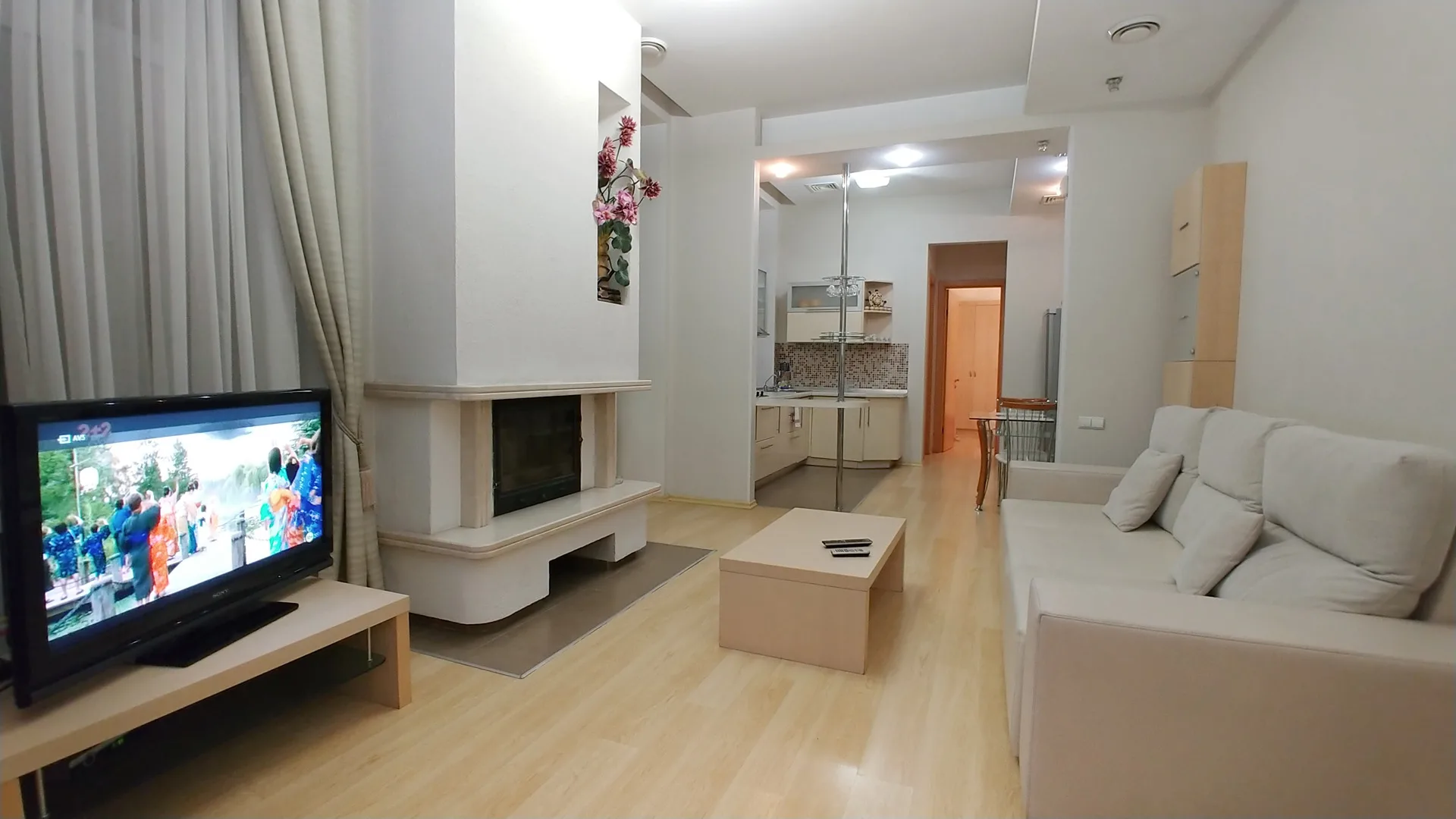
One of the strongest global influences also shaping Dutch renovation projects is the rise of warm minimalism. Unlike the cold, sterile minimalism of the past, today’s luxury interiors are softer, more layered, and more livable.
In the Netherlands, this translates into:
- Natural oak and walnut wood finishes
- Soft neutral color palettes (beige, sand, taupe, warm gray)
- Limewash and plaster wall textures
- Minimal but sculptural furniture pieces
- Hidden storage solutions for visual calm
This approach is often referred to as “quiet luxury”—a style where richness is expressed through materials and proportions rather than decoration. Recent design analyses highlight that high-end homeowners are increasingly choosing understated elegance over flashy design elements, focusing on long-term livability instead of short-term trends .
In Dutch renovations, this philosophy is especially relevant due to the country’s architectural heritage. Many older homes feature compact layouts, meaning clean lines and thoughtful spatial planning are essential.
2. Natural Materials and Authentic Textures
Luxury renovation in the Netherlands is strongly tied to a renewed appreciation for natural materials and tactile surfaces. Homeowners want interiors that feel grounded, warm, and connected to nature.
Popular materials include:
- Natural stone (marble, travertine, limestone)
- Solid wood flooring and cabinetry
- Handmade ceramic tiles
- Linen, wool, and organic textiles
- Brass and brushed metal accents
Design trends for 2026 emphasize a clear shift toward organic textures and craftsmanship, where imperfections are celebrated as part of authenticity .
In Dutch luxury homes, this often appears in:
- Stone kitchen islands with visible veining
- Textured bathroom walls resembling spa retreats
- Wooden ceiling beams left exposed for character
- Custom-built furniture using local materials
This material honesty aligns perfectly with Dutch sustainability values, where durability and environmental responsibility are central to renovation decisions.
3. Wellness-Focused Home Design
Luxury homes in the Netherlands are increasingly designed as wellness environments rather than purely aesthetic living spaces. Renovations now frequently include features that support physical and mental well-being.
Key wellness-oriented upgrades include:
- Spa-style bathrooms with rain showers and steam functions
- Underfloor heating for comfort during colder months
- Improved indoor air filtration systems
- Meditation or yoga rooms
- Biophilic design (plants, natural light, green walls)
Industry trends show that wellness is becoming a standard expectation in high-end homes, influencing everything from layout planning to material selection .
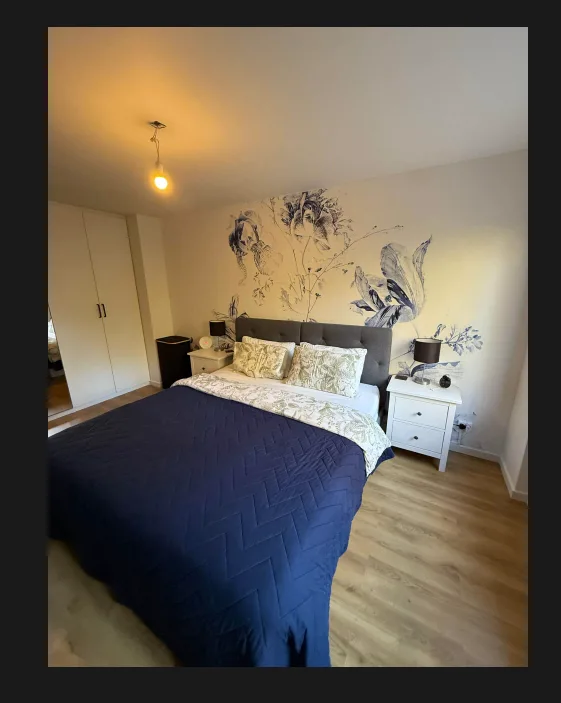
In Dutch cities like Amsterdam and Rotterdam, where space can be limited, wellness design often focuses on compact luxury—turning small bathrooms into spa-like sanctuaries or integrating relaxation zones into bedrooms.
4. Smart Home Integration and Invisible Technology
Modern luxury renovations in the Netherlands are increasingly defined by technology that blends seamlessly into architecture. The goal is not to showcase technology, but to make it invisible and intuitive.
Common smart features include:
- App-controlled lighting and climate systems
- Hidden speakers and integrated sound systems
- Motorized curtains and blinds
- Smart security systems with remote monitoring
- Energy-efficient heating and cooling automation
Luxury homeowners prefer systems that reduce clutter and enhance comfort without disrupting visual harmony.
This trend reflects a broader global shift where technology is embedded into the home environment rather than displayed as a feature. In Dutch design, this also supports energy efficiency goals and sustainability regulations.
5. Sustainable Luxury and Energy Efficiency
Sustainability is not optional in Dutch renovation projects—it is a core requirement. However, in luxury homes, sustainability is now being elevated into a design feature rather than just a technical necessity.
Key elements include:
- High-performance insulation for older canal houses
- Triple-glazed windows for energy efficiency
- Solar panels integrated into roof design
- Heat pump systems replacing gas heating
- Reclaimed or recycled building materials
Luxury homeowners are increasingly interested in homes that combine environmental responsibility with premium aesthetics. This reflects a broader trend where climate-conscious design is influencing luxury real estate decisions globally .
In the Netherlands, where energy efficiency standards are strict, high-end renovations often prioritize long-term savings and ecological performance alongside visual upgrades.
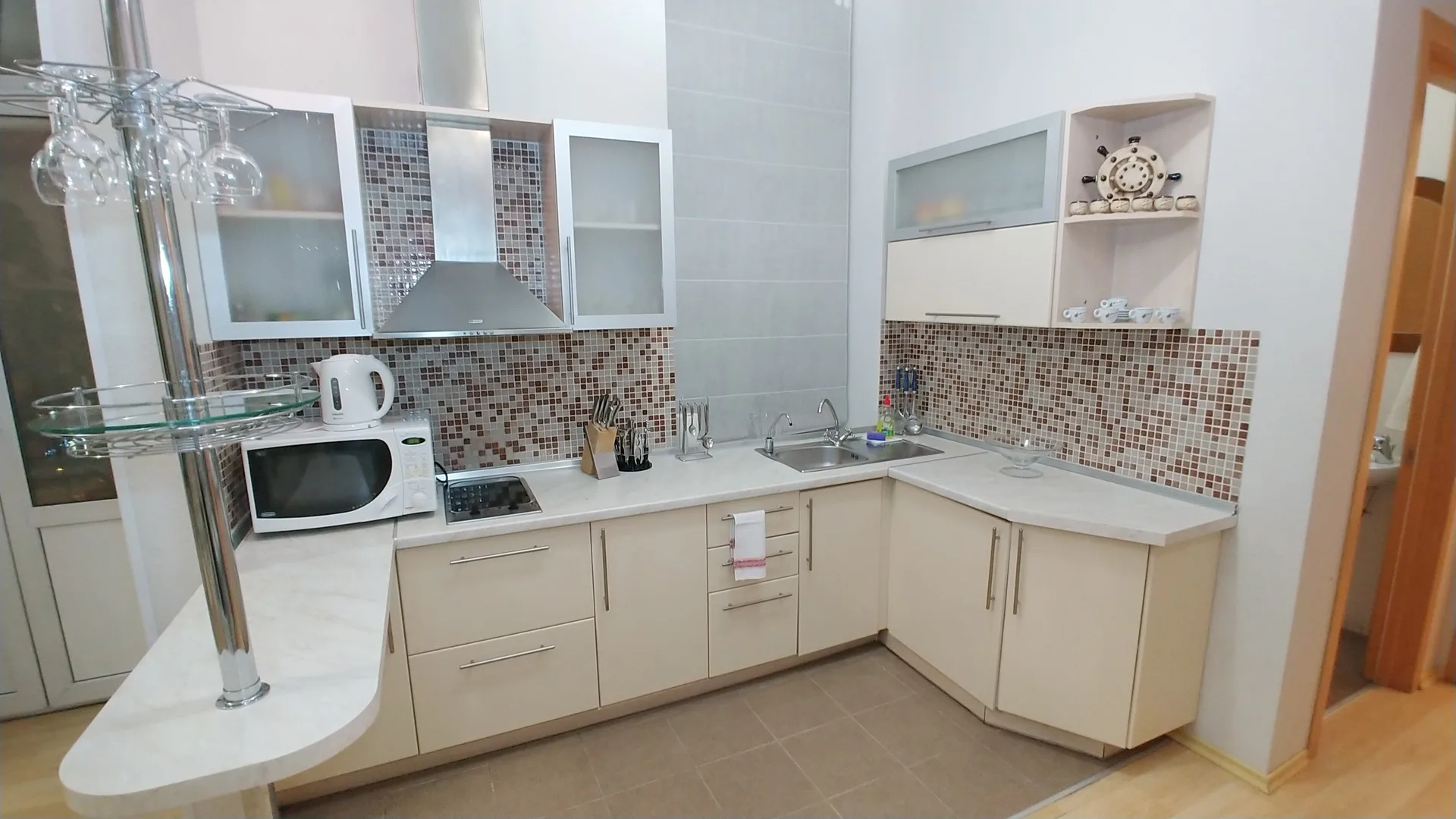
6. Bespoke Kitchens as the Center of the Home
The kitchen remains the focal point of luxury renovation projects, especially in Dutch homes where open-plan layouts are popular.
Modern luxury kitchens emphasize:
- Custom cabinetry with seamless finishes
- Hidden appliances and integrated storage
- Natural stone countertops
- Soft, indirect lighting systems
- Minimalist but highly functional layouts
One notable shift is the move away from overly decorative kitchen elements toward calm, functional elegance. Statement features are being replaced with subtle craftsmanship and clean architectural lines .
In the Netherlands, where space efficiency is essential, kitchens are often designed as multifunctional zones for cooking, dining, and socializing.
7. Personalized Interior Design and Bespoke Details
Another defining trend in luxury home renovation is hyper-personalization. Instead of following standardized luxury templates, homeowners are choosing highly customized interiors that reflect their lifestyle and identity.
This includes:
- Custom-built furniture tailored to specific rooms
- Unique art collections integrated into design
- Personalized lighting schemes for mood and function
- Handmade architectural details
- Flexible spaces that adapt to changing needs
Luxury is increasingly defined by uniqueness rather than price. Homes are becoming deeply personal environments that tell a story rather than simply display wealth.
This shift is especially visible in the Netherlands, where individuality and creative expression are highly valued in design culture.
8. Seamless Indoor–Outdoor Living
Despite the Netherlands’ climate, there is a growing trend toward blurring the boundaries between indoor and outdoor spaces.
Popular design solutions include:
- Large sliding glass doors opening to gardens or terraces
- Indoor courtyards in urban homes
- Covered outdoor lounges for year-round use
- Natural transitions using stone and wood flooring continuity
- Green roofs and rooftop terraces in cities
This approach expands usable living space and enhances natural light—both key priorities in luxury renovations.
Even in dense urban environments, homeowners are finding creative ways to incorporate greenery and outdoor experiences into daily living.
9. Artistic Architecture and Statement Features
While minimalism dominates, there is still room for bold architectural expression in luxury Dutch homes. However, it is now more controlled and artistic rather than excessive.
Examples include:
- Sculptural staircases as central design elements
- Custom lighting installations as art pieces
- Feature walls using textured stone or wood panels
- Curved architectural forms replacing rigid geometry
These elements are not decorative add-ons but integrated parts of the architecture. The goal is to create focal points that feel timeless rather than trendy.
10. The Future of Luxury Renovation in the Netherlands
Looking ahead, luxury home renovation in the Netherlands will continue evolving toward a balance of:
- Sustainability and energy efficiency
- Emotional comfort and wellness
- Minimalist but warm aesthetics
- Advanced but invisible technology
- Deep personalization
The most successful luxury homes will not be those that look the most expensive, but those that feel the most thoughtful, functional, and enduring.
Conclusion
Luxury renovation in the Netherlands is no longer about excess—it is about intention. Homeowners are investing in spaces that support well-being, reflect personal identity, and align with environmental values. From warm minimalism and natural materials to smart home systems and wellness-focused design, the future of high-end living is quiet, intelligent, and deeply human.