
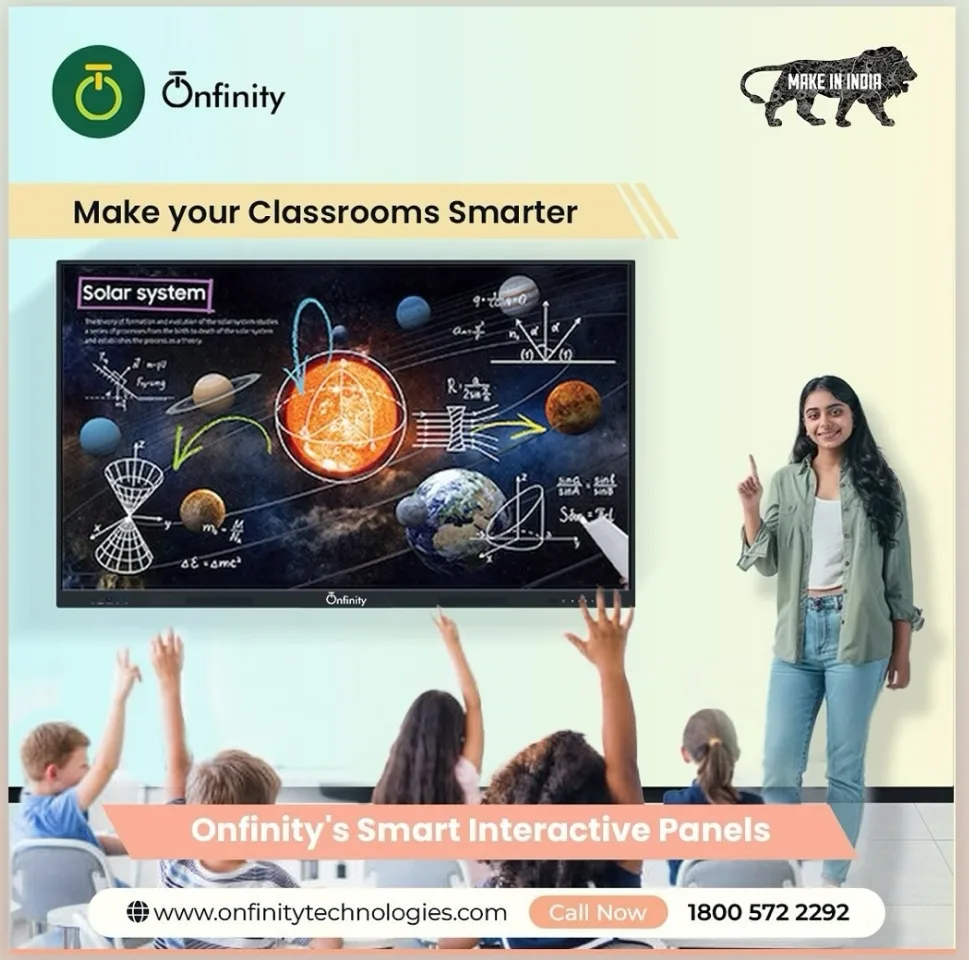
Classroom discussions are an important part of learning. They give students an opportunity to ask questions, share ideas, explain their thoughts and learn from one another. However, keeping everyone involved is not always easy. In a traditional classroom, discussions can sometimes become limited to a teacher asking questions while a few students respond.
Digital tools are creating new ways to make these conversations more engaging. With the right technology, teachers can encourage more students to participate, explain difficult topics visually and make classroom activities more collaborative.
Why Classroom Discussions Need More Student Participation
Students often understand lessons better when they get an opportunity to express their opinions and take part in discussions. Simply listening to an explanation may not be enough, particularly when a subject involves complex concepts or practical examples.
For instance, during a science lesson, students might understand a topic more clearly when they can discuss a diagram, identify different parts and share their observations. Similarly, a mathematics discussion can become more meaningful when students work through a problem together.
Active participation also gives teachers a better understanding of how students are following a lesson. Their questions and responses can help identify topics that need further explanation.
Using Digital Displays to Encourage Classroom Interaction
One way to support more interactive discussions is by bringing digital display technology into everyday teaching.
An interactive flat panel for classroom use gives teachers a shared screen where they can present educational content, write explanations, highlight important information and invite students to participate in activities.
Instead of relying only on a textbook or a traditional board, teachers can use presentations, diagrams, images and educational videos to support their explanations.
For example, during a geography lesson, a teacher can display a map and ask students to identify different regions. In a language class, students can work together to correct sentences or discuss a passage displayed on the screen.
These activities make the lesson more participative because students are not just watching the content. They have opportunities to respond and contribute.
Making Group Activities More Collaborative
Group discussions are another useful way to encourage participation. However, managing them can become challenging when students do not have a common space to share their ideas.
Digital classroom tools can make this process easier.
Teachers can display a question or assignment on an interactive screen and ask students to discuss possible answers in small groups. Each group can then share its findings with the rest of the class.
Depending on the display's capabilities, students may also be able to write, draw or interact with content directly on the screen.
For example, students working on an environmental studies project can contribute ideas about water conservation, waste management or renewable energy. Their responses can be discussed together, helping the class explore different perspectives.
This approach makes discussions more organised while giving students a shared learning experience.
Using Visual Content to Explain Difficult Topics
Some subjects are easier to understand when students can see what they are learning about. Digital content can help teachers explain ideas that might otherwise be difficult to describe through words alone.
Images, animations, diagrams and educational videos can provide additional context during classroom discussions.
Consider a biology lesson about the human digestive system. Instead of explaining every stage verbally, a teacher can display a labelled diagram and walk students through the process. Students can ask questions, identify different organs and discuss their functions.
The same approach can be useful in mathematics, physics, geography and other subjects.
Interactive displays help bring these resources into the classroom, allowing teachers to move between written explanations and visual material during a lesson.
Giving Students More Opportunities to Ask Questions
A good classroom discussion should not be limited to answering questions. Students should also feel comfortable asking them.
Digital tools can support this by giving teachers more ways to introduce discussion points, collect responses and explain doubts.
For example, a teacher can display a question at the beginning of a lesson and invite students to share their initial thoughts. After explaining the topic, the teacher can return to the same question and encourage students to reconsider their answers.
This creates a natural opportunity to discuss what they have learned and whether their understanding has changed.
Teachers can also use digital quizzes, classroom polls and presentation activities to encourage responses. The purpose is not to replace direct conversation but to give students more opportunities to contribute.
Choosing Technology That Supports Everyday Teaching
Introducing digital tools into a classroom requires more than simply installing new equipment. Schools should consider whether the technology fits their teaching requirements and whether educators can use it comfortably.
Ease of operation, display quality, connectivity, touch functionality and compatibility with teaching resources are some important considerations.
Teacher training also matters. Even a capable digital display may not deliver much value if educators are unfamiliar with its functions or do not know how to include it in their lessons.
The best approach is to introduce technology gradually, allowing teachers and students to become comfortable with it through regular classroom activities.
Bringing More Interaction Into Everyday Learning
Technology alone cannot make classroom discussions meaningful. The teacher still plays the most important role in guiding conversations, encouraging questions and making sure students feel included.
However, the right digital tools can make these activities easier to organise and more interesting to follow.
Onfinity Technologies Pvt. Ltd. offers interactive flat panel display solutions that can support digital teaching and classroom interaction. For educational institutions exploring ways to improve their classroom technology, these displays provide an option worth considering.
Ultimately, interactive learning comes from giving students more opportunities to think, communicate and participate. When thoughtful teaching methods are combined with practical digital tools, classroom discussions can become a more active and rewarding part of the learning experience.