When it comes to choosing kids bedding in Australia, the options can feel overwhelming. Walk into any store or browse online and you will find bedding made from cotton, bamboo, polyester, microfiber, fleece, and everything in between. But with children spending up to 12 hours a night in contact with their bedding, the fabric you choose matters far more than most parents realise, especially for children with sensory sensitivities, allergies, or conditions like autism.
So which is better: natural or synthetic? This guide breaks it all down so you can make a confident, informed decision for your child.
What Is the Difference Between Natural and Synthetic Kids Bedding?
Before comparing, it helps to understand what each category actually means.
Natural fabrics are derived from plant or animal sources. The most common options in kids bedding include cotton, bamboo, wool, and linen. These materials are breathable, biodegradable, and generally gentler on sensitive skin.
Synthetic fabrics are manufactured from chemical compounds, most commonly petroleum-based polymers. Polyester, microfiber, nylon, and acrylic all fall into this category. They are typically cheaper to produce, more durable in washing, and often have a smoother, silkier feel, but that does not automatically make them the better choice for children.
Natural Kids Bedding in Australia: Pros and Cons
The Case for Natural Fabrics
Natural fabrics have been trusted by parents for generations, and for good reason. Here is why they remain a top choice for kids bedding in Australia:
Breathability. Natural fibres allow air to circulate through the fabric, which helps regulate your child's body temperature through the night. This is especially important in Australia's warm climate, where overheating during sleep is a common issue for children.
Hypoallergenic properties. Many natural fibres, particularly bamboo and organic cotton, resist dust mites, mold, and bacteria, common triggers for childhood eczema, asthma, and skin irritations.
Gentle on sensitive skin. Children's skin is thinner and more permeable than adult skin, making it more reactive to chemical finishes and rough textures. Natural fabrics, especially bamboo, are softer and less likely to cause friction or irritation.
Environmental responsibility. For eco-conscious Australian families, natural bedding aligns with sustainable values. Organic cotton and bamboo are among the most environmentally responsible textile choices available.
Limitations of Natural Fabrics
Natural bedding does carry some trade-offs. It can be more expensive upfront, may require more careful washing, and some natural fibres like wool can feel scratchy or cause reactions in children with certain sensitivities.
Synthetic Kids Bedding: Pros and Cons
Where Synthetic Fabrics Perform Well
Synthetic bedding is not without its merits. Polyester and microfiber blends are typically more affordable, easier to wash, and resistant to wrinkling. Some synthetic fills also offer excellent durability, making them a practical choice for busy households.
Why Synthetic Bedding Can Be Problematic for Children
Despite these advantages, synthetic fabrics raise real concerns when it comes to kids' health and comfort:
Heat retention. Synthetic fibres trap heat rather than releasing it, which can lead to overheating and disrupted sleep, a particular issue for children who already struggle with sleep regulation.
Chemical exposure. Many synthetic textiles are treated with flame retardants, anti-wrinkle agents, and dyes during manufacturing. These chemical finishes can irritate sensitive skin and may pose risks with prolonged skin contact.
Static electricity. Synthetic fabrics generate static, which can be startling or uncomfortable, especially for children who are hypersensitive to tactile input.
Poor moisture management. Polyester does not absorb or wick moisture effectively, meaning children who sweat during sleep will feel damp and uncomfortable throughout the night.
The Bamboo Advantage: Why It Leads Kids Bedding in Australia
Why Bamboo Is the Gold Standard for Sensitive Children
Among all natural fabric options, bamboo stands out as the clear leader for children's bedding in Australia, particularly for families navigating sensory sensitivities, autism, or skin conditions.
Here is what makes bamboo exceptional:
- It is naturally thermoregulating, keeping children cool in summer and warm in winter
- It is ultra-soft, with a silky texture that ranks among the gentlest against young skin
- It is naturally antibacterial and hypoallergenic, making it ideal for children prone to eczema or allergies
- It is moisture-wicking, drawing sweat away from the body to keep children dry and comfortable
- It is OEKO-TEX® certifiable, meaning bamboo products can be independently verified as free from harmful substances
For children who are sensitive to textures, the way bedding feels against their skin is not a minor detail, it can make the difference between a settled night and hours of discomfort and distress.
Weighted Blankets for Autism: Why Fabric Choice Is Even More Critical
For families choosing a weighted blanket for autism, the stakes of fabric selection are even higher. Children on the autism spectrum often experience heightened tactile sensitivity, which means the wrong fabric can actively worsen sensory discomfort rather than soothe it.
This is why bamboo is the preferred fabric for weighted blankets used by children with autism. It provides the therapeutic pressure of weight without adding heat, friction, or chemical exposure.
Fun Designs That Children Actually Want to Use
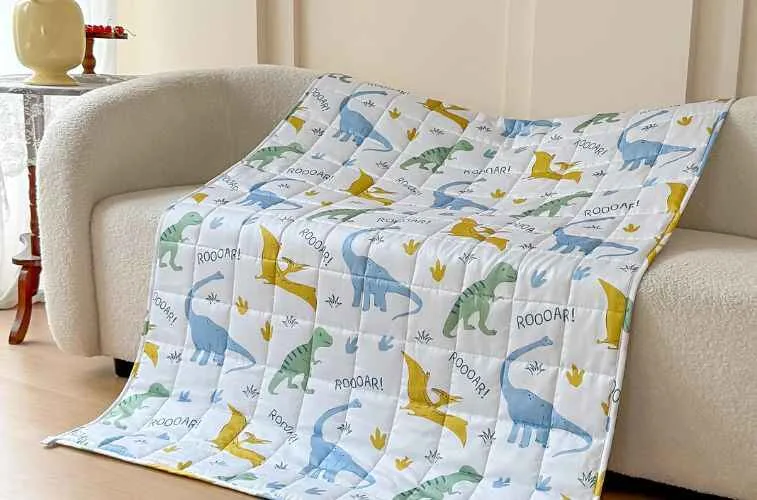
Choosing the right fabric is only half the equation — children are far more likely to embrace their sensory bedding if it features designs they love. A dinosaur weighted blanket, for example, combines the therapeutic benefits of weighted pressure with a playful, child-friendly aesthetic that makes bedtime something to look forward to rather than something to resist.
Auteeze offers a range of bamboo weighted blankets in designs crafted specifically for children, including their popular Dinosaur Weighted Blanket made with 100% organic bamboo, OEKO-TEX® certified, and available in multiple weight options from 2 kg to 9 kg to suit different ages and body weights.
What to Look for When Buying Kids Bedding in Australia
Whether you are shopping for everyday sheets or a specialist weighted blanket for autism, here is a simple checklist to guide your decision:
- Fabric certification: Look for OEKO-TEX® Standard 100 or GOTS (Global Organic Textile Standard) certification
- Breathability: Prioritise materials that regulate temperature, especially important in the Australian climate
- Washability: Kids' bedding needs to handle frequent washing without degrading in quality
- Weight appropriateness for weighted blankets, aim for approximately 10% of your child's body weight
- Sensory compatibility: If your child has sensory sensitivities, let them touch and hold the fabric before committing to a purchase
The Verdict: Natural Wins for Australian Kids
When it comes to kids bedding in Australia, natural fabrics and bamboo in particular offer a safer, more comfortable, and more sensory-friendly option than synthetic alternatives. While synthetics may cost less upfront, the long-term impact on your child's sleep quality, skin health, and sensory well-being makes natural bedding a far worthier investment.
For families supporting children with autism or sensory sensitivities, the choice is even clearer. A bamboo weighted blanket for autism, thoughtfully designed for a child's body and sensory needs, can transform bedtime from a nightly struggle into a calm and consistent routine.