
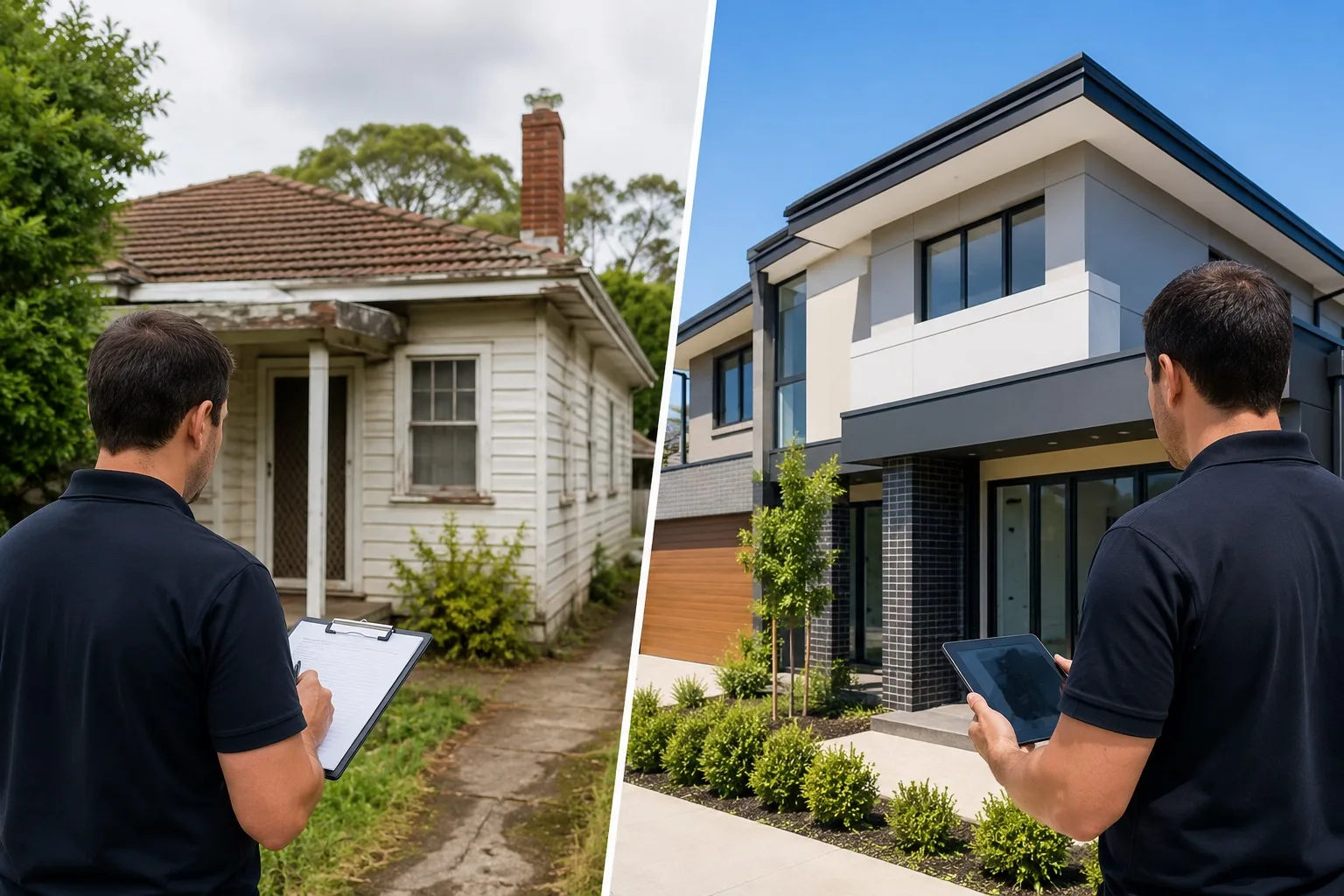
Many property buyers assume that older homes require building inspections while newly built homes are free from defects. Unfortunately, this belief can lead to expensive surprises after settlement.
Whether you are purchasing a newly constructed property or a decades-old family home, building inspections in Springvale play a crucial role in protecting your investment. Every property can have hidden issues that are not visible during a standard viewing. From structural defects and poor workmanship to moisture problems and safety concerns, a professional inspection helps identify risks before they become costly repairs.
At Casey Building Consultants, we regularly inspect both new and older homes throughout Springvale and surrounding areas. Our experience shows that no property is immune to defects, regardless of its age.
In this guide, we explain why every home should undergo a professional building inspection and what buyers should look out for before signing a contract.
Why Building Inspections Matter
A property purchase is one of the biggest financial commitments most people will ever make. While a home may appear perfect on the surface, hidden issues can significantly impact its value, safety, and long-term maintenance costs.
A professional building inspection provides an independent assessment of the property's condition. It helps buyers:
- Identify major and minor defects
- Understand future maintenance requirements
- Avoid unexpected repair expenses
- Strengthen negotiation opportunities
- Gain confidence before settlement
- Make informed purchasing decisions
Without a professional inspection, buyers may unknowingly inherit costly problems that could have been identified before the purchase.
Common Issues Found in Older Homes
Older homes often have character, charm, and larger block sizes. However, years of wear and tear can create various structural and maintenance concerns.
Structural Movement and Cracking
Over time, foundations can shift due to soil movement, drainage issues, or natural settlement. This movement may cause:
- Cracks in walls and ceilings
- Uneven floors
- Door and window alignment issues
- Structural instability
A qualified building inspector can determine whether cracking is cosmetic or indicative of a more serious structural problem.
Roof Deterioration
Older roofs often experience:
- Broken or missing tiles
- Rusted metal roofing
- Damaged flashing
- Water penetration
Roof defects can lead to leaks and internal damage if left unresolved.
Dampness and Moisture Problems
Moisture is one of the most common issues found in older homes. Signs may include:
- Mould growth
- Peeling paint
- Musty odours
- Rotting timber
Persistent moisture can affect both the structure and indoor air quality of the property.
Electrical and Plumbing Concerns
Many older properties contain outdated electrical systems and ageing plumbing infrastructure. These systems may not meet current standards and can present safety risks.
Timber Decay and Pest Damage
Timber elements may deteriorate over time due to moisture exposure or pest activity. Termites can cause significant structural damage before visible signs appear.
Common Issues Found in New Homes
Many buyers believe that new homes do not require inspections because they are recently built. However, building inspectors frequently identify defects in newly completed properties.
Poor Workmanship
Construction quality can vary significantly depending on contractors, supervision, and timelines.
Common workmanship issues include:
- Uneven finishes
- Poor tiling
- Incomplete installations
- Misaligned doors and windows
- Defective fittings
While these issues may seem minor initially, they can indicate broader quality concerns.
Waterproofing Defects
Bathrooms, laundries, and balconies rely on effective waterproofing systems. Poor installation can lead to:
- Water leaks
- Mould growth
- Structural deterioration
- Expensive repairs
Many waterproofing problems remain hidden until damage becomes extensive.
Drainage Problems
Improper site drainage is a common issue in newly built homes.
Potential consequences include:
- Water pooling around foundations
- Soil erosion
- Moisture ingress
- Landscape damage
A professional inspection can identify drainage concerns before they become major problems.
Structural Defects
Although less common, structural defects can occur in new homes due to:
- Poor construction practices
- Design issues
- Inadequate materials
- Foundation movement
Early detection allows builders to rectify defects under warranty.
Incomplete Building Work
New homes may contain unfinished or non-compliant work that is easily overlooked by buyers. An independent inspection helps ensure the property meets acceptable building standards.
Why Springvale Property Buyers Should Never Skip an Inspection
Springvale continues to attract buyers due to its strong community, convenient location, and diverse property market. The area offers everything from established family homes to newly developed properties.
Because the local housing stock includes properties of varying ages and construction styles, building inspections are particularly important.
A thorough inspection can reveal:
- Structural concerns
- Safety hazards
- Maintenance issues
- Building code compliance concerns
- Hidden defects affecting property value
Whether you are purchasing a first home, investment property, or family residence, understanding the property's true condition helps avoid costly surprises later.
How a Building Inspection Can Save You Money
Many buyers view building inspections as an additional expense. In reality, they often save thousands of dollars.
A detailed inspection report can help buyers:
Negotiate a Better Purchase Price
If defects are discovered before settlement, buyers may negotiate repairs or a reduced sale price.
Avoid Major Repair Costs
Identifying structural or moisture-related issues early can prevent future repair bills.
Budget for Future Maintenance
Knowing what repairs may be required allows buyers to plan and budget effectively.
Prevent Unexpected Financial Stress
Unexpected building problems can create significant financial pressure after purchase. Inspections reduce this risk.
What Does a Professional Building Inspection Include?
At Casey Building Consultants, a comprehensive building inspection typically covers:
- Roof exterior and roof space
- Internal walls and ceilings
- Floors and subfloor areas
- Doors and windows
- Bathrooms and wet areas
- Drainage observations
- Structural components
- Exterior walls and foundations
- Signs of moisture damage
- Evidence of pest-related concerns
The resulting report provides a clear understanding of the property's condition and highlights any areas requiring further investigation or repair.
Why Choose Casey Building Consultants?
When purchasing property in Springvale, experience and local knowledge matter.
Casey Building Consultants provides detailed, independent building inspections designed to help buyers make informed decisions.
Our team focuses on:
- Thorough property assessments
- Easy-to-understand reports
- Prompt service
- Professional advice
- Honest and independent recommendations
We understand the unique challenges associated with both older homes and modern construction, helping clients identify issues that could impact safety, value, and future maintenance costs.
Final Thoughts
Whether a property is brand new or several decades old, hidden defects can exist beneath the surface. Assuming that a new home is defect-free or overlooking issues in an older property can lead to expensive consequences.
Professional building inspections in Springvale provide valuable insight into a property's true condition, helping buyers avoid unnecessary risks and make confident decisions.
Before committing to any property purchase, investing in a thorough building inspection can provide peace of mind and potentially save thousands of dollars in future repairs.
For trusted and professional property assessments, Casey Building Consultants is here to help you make informed decisions and protect your investment.
Frequently Asked QuestionsDo new homes need building inspections?Yes. New homes can contain construction defects, poor workmanship, drainage issues, and waterproofing problems. A professional inspection helps identify these issues before settlement.
How long does a building inspection take?
Most residential building inspections take between two and four hours, depending on the property's size and complexity.
What is included in a pre-purchase building inspection?
A pre-purchase inspection generally covers structural elements, roofing, walls, floors, moisture issues, visible defects, and safety concerns.
Can a building inspection help with price negotiations?
Absolutely. Inspection findings often provide buyers with evidence to negotiate repairs or request a reduction in the purchase price.
Are older homes more likely to have defects?
Older homes commonly experience age-related issues such as structural movement, roof deterioration, moisture damage, and outdated services. However, new homes can also have significant defects.
When should I book a building inspection?
Ideally, a building inspection should be arranged before finalising the purchase contract or during any inspection period included in the agreement.