Open-cell spray foam provides a better air seal than fiberglass because it expands to fill every gap and crack in a structure. While fiberglass acts as a filter that allows air to pass through, spray foam creates a custom-fit thermal envelope that stops drafts. This difference is the most important factor when comparing open-cell spray foam vs. fiberglass for home energy efficiency.

This guide explores the performance differences, long-term costs, and installation benefits of these two popular materials. It explains how each choice affects monthly utility bills and indoor comfort levels. Understanding these technical details helps homeowners make an informed decision for specific building projects or renovations.
The information provided here comes from industry professionals who have spent years installing different materials in various climates. These experts understand how materials react to temperature shifts and moisture. This practical knowledge ensures the guidance provided is based on real-world results rather than just manufacturer claims.
Which material stops air leaks most effectively?
Air sealing involves more than just blocking the wind. It requires stopping the movement of air through walls, ceilings, and floors. Fiberglass is made of fine glass shards spun into a mat. This structure is effective at slowing down heat transfer but does very little to stop air from moving through it.
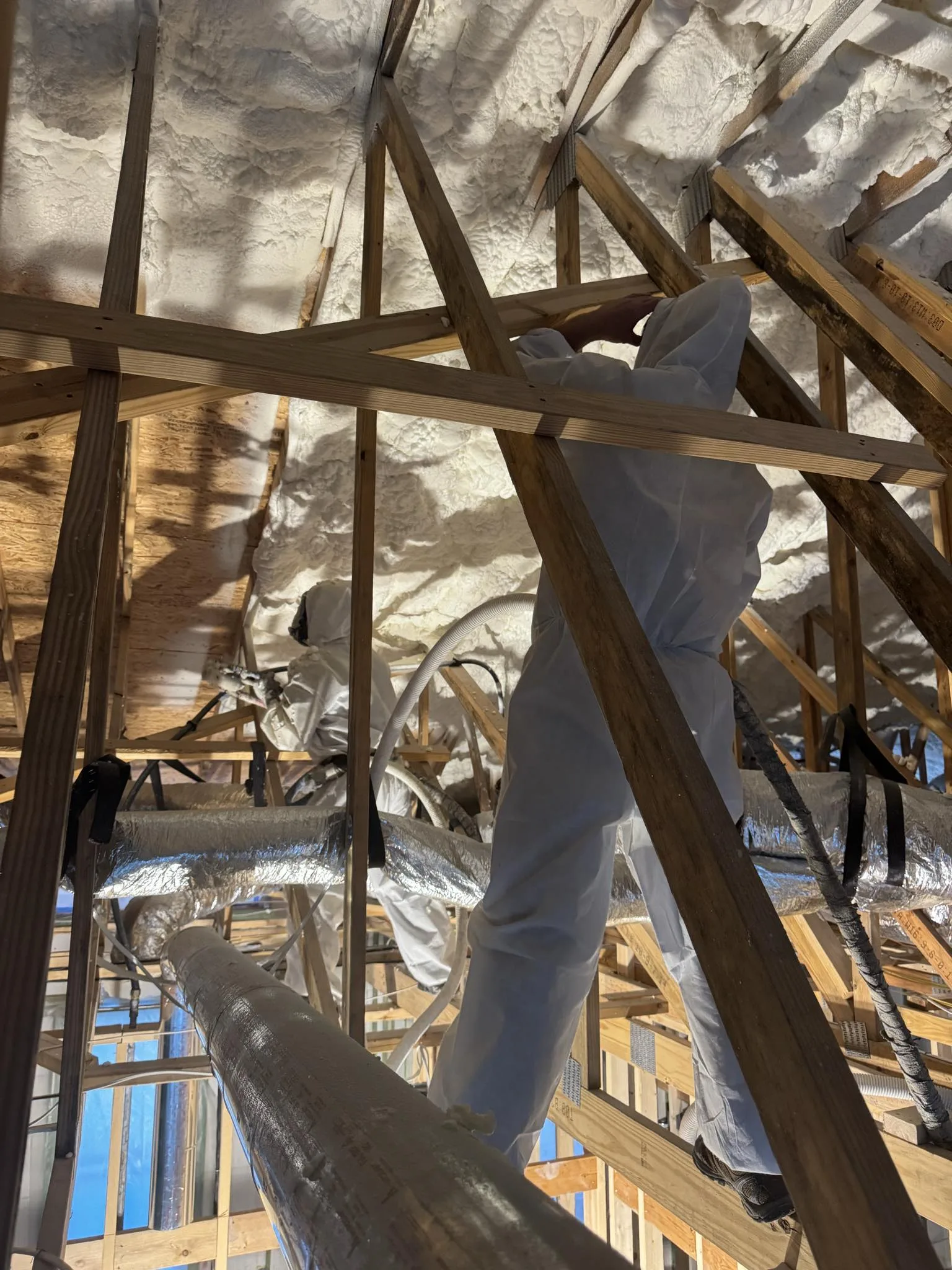
In contrast, open-cell spray foam vs. fiberglass comparisons show that foam acts as both insulation and an air barrier. When applied, the liquid foam expands up to 100 times its original volume. It moves into tiny crevices that are difficult to reach with traditional batts. This expansion creates a tight seal that prevents conditioned air from escaping the home.
Market data shows that air leakage can account for up to 40 percent of a home's total energy loss. By choosing a material that seals as it insulates, homeowners address two problems with one application. Most people who switch to a superior air-sealing material see a noticeable drop in heating and cooling costs almost immediately.
Understanding the mechanics of open-cell spray foam insulation
The chemical reaction in open-cell spray foam insulation creates tiny bubbles that remain open. This makes the material soft and flexible. While it is less dense than closed-cell options, it is still dense enough to block airflow. This flexibility allows the foam to move with the house as it settles or shifts during seasonal changes.
Because the cells are open, the foam is breathable. This is an advantage in certain building designs where moisture vapor needs to escape while still maintaining an airtight seal against liquid water and wind. It provides a high R-value of approximately 3.5 to 3.8 per inch of thickness.
Professional installers use specialized equipment to mix the materials at the spray tip. They monitor temperature and pressure closely to ensure the foam cures correctly. When done right, the foam sticks to the studs and sheathing, forming a permanent bond that will not sag or settle over time.
The limitations of fiberglass in drafty areas
Fiberglass remains a popular choice primarily because of its lower upfront cost. However, its inability to stop airflow is a major drawback in cold or windy climates. If gaps exist around electrical outlets or plumbing stacks, fiberglass will not stop the cold air from entering those spaces.
Dust often accumulates in fiberglass batts over time because the material acts like a large air filter. As air passes through the wall, the fiberglass traps dirt and allergens. Over many years, this can lead to poor indoor air quality and a decrease in the material's thermal effectiveness. When using fiberglass in some areas, it is necessary to include a dedicated air barrier like house wrap or polyethylene sheeting. Without a separate air seal, fiberglass loses a large portion of its R-value when the wind blows.
Comparison of insulation performance and specifications
The technical specifications in the following table highlight the performance differences between these two common insulation types.
FeatureOpen-Cell Spray FoamFiberglass BattsAir Sealing AbilityExcellent (Complete Barrier)Poor (Requires separate barrier)Average R-Value3.5 - 3.8 per inch3.1 - 3.4 per inchLongevityLifetime of the buildingCan sag or degrade over 15-20 yearsMoisture ResistanceBreathable but does not rotCan hold water and promote moldInstallation SpeedFast for complex shapesFast for standard wall cavitiesSound DampeningHigh (Soft texture absorbs sound)Moderate
How open-cell insulation services improve indoor comfort?
One of the most common complaints from homeowners is the presence of temperature fluctuations in different rooms. These are often caused by air bypasses where the insulation does not meet the framing perfectly. When hiring open-cell insulation services, the technicians ensure that the thermal envelope is continuous.
This continuity is what makes a home feel comfortable. When air cannot move through the walls, the surface temperature of the drywall remains consistent. Residents will not feel a chill when sitting near an exterior wall during a winter storm. This consistent temperature also puts less strain on the HVAC system.
Another benefit of the airtight seal is the reduction in outside noise. The soft, sponge-like nature of open-cell foam is effective at absorbing high-frequency sounds. This makes it an ideal choice for homes near busy roads or airports. It provides a quieter indoor environment while saving money on energy.
Things to evaluate before you select your insulation type
Homeowners should look at the long-term value rather than just the initial price tag. While fiberglass is cheaper to buy, the energy savings from foam often cover the price difference within a few years. It is also necessary to consider the complexity of a home's design. Homes with vaulted ceilings or odd-shaped corners are very difficult to insulate properly with batts.
The local climate is another factor. In regions with high humidity or extreme temperature swings, the air-sealing properties of foam become even more valuable. It prevents the "stack effect," where warm air rises and pulls cold air in through the lower levels of the building.
Homeowners can check with local utility providers for rebates and incentives. Many companies offer financial help for those who upgrade to high-performance insulation. These programs are designed to reduce the overall load on the power grid by making homes more efficient.
The role of an open-cell foam insulation contractor
Achieving a perfect air seal requires more than just the right product. It requires a skilled open-cell foam insulation contractor who understands building science. They know how to identify the areas where a home is most likely to leak air, such as the rim joists and attic bypasses.
A professional contractor also ensures that the home maintains proper ventilation. Since spray foam makes a house very tight, they might recommend a mechanical ventilation system to ensure fresh air circulation. This balance is necessary for maintaining a healthy living environment and preventing moisture buildup.
They also handle the preparation work, which is a major part of the job. This includes covering windows and floors to protect them from overspray. Once the installation is complete, they trim the excess foam so that the drywall can be installed flush against the studs.
Regional guidance for homeowners in the Pacific Northwest
Regional environmental factors also dictate the best insulation approach. For residents in the Pacific Northwest, moisture management is a top priority. Damp winters can cause issues for traditional materials. Fiberglass that gets wet from condensation inside the wall will lose its insulation power and may lead to wood rot.
Open-cell foam is often the preferred choice here because it allows the assembly to dry out. If a roof leak occurs, the water will pass through the foam, making the leak easy to spot. It does not trap the water against the wood structure like some other materials might. In the 541 area code and surrounding regions, focusing insulation efforts on the attic first is often the best strategy. Most heat loss occurs through the roof, and sealing the attic floor with foam provides a fast return on investment for comfort levels.
Long-term durability and maintenance requirements
Fiberglass can settle over time, especially if it was not installed with enough friction to hold it in place. This creates gaps at the top of the wall cavities where heat can escape. It is also a common nesting material for rodents, which can further damage the thermal layer.

Spray foam is permanent. Once it expands and cures, it stays in place for the life of the structure. It does not settle, sag, or shrink. It also has no food value for insects or rodents, which helps keep wall cavities clean and intact for decades.
Summary of the air sealing benefits
Choosing between open-cell spray foam vs. fiberglass comes down to how much a homeowner values a draft-free environment. Open-cell foam provides a superior air seal by filling every void and bonding to the building materials. Fiberglass is a budget-friendly option but requires additional work to achieve even a fraction of the same airtightness. Investing in a professional foam application results in lower bills, better soundproofing, and a more durable home.
Connect with local experts for a free quote on your project
For those ready to improve a home's efficiency, contacting a reliable service provider is the next step. All Foam & Insulation, LLC offers professional expertise in both foam and fiberglass applications. They can help determine which material fits the budget and the home's specific needs. They can be reached by calling (541) 826-9600 or by sending an email to joe@allphasewx.com to request a free quote. Their team serves the region with high-quality service and practical solutions for every type of building.
Common questions about home air sealing
Is open-cell spray foam waterproof?
No, open-cell foam is not waterproof and can absorb water if submerged. However, it is breathable, which allows moisture vapor to pass through and prevents it from being trapped inside the walls.
Does fiberglass insulation block noise?
Fiberglass provides some sound dampening by slowing down sound waves, but it is less effective than open-cell foam. The airtight nature of foam blocks the air that carries sound, leading to a much quieter interior.
Can I install spray foam myself?
While small DIY kits exist, large-scale residential applications require professional equipment. A contractor ensures the materials are mixed at the right ratio and temperature for a safe and effective seal.
How long does it take for spray foam to cure?
Most spray foam products cure within 24 hours. During this time, residents and pets should remain out of the house to avoid breathing in any fumes released during the chemical reaction.
Will spray foam cause my house to be too tight?
A very tight house is good for efficiency but requires proper ventilation. A contractor will assess if the home needs an ERV or HRV system to bring in fresh air while keeping the heat inside.