
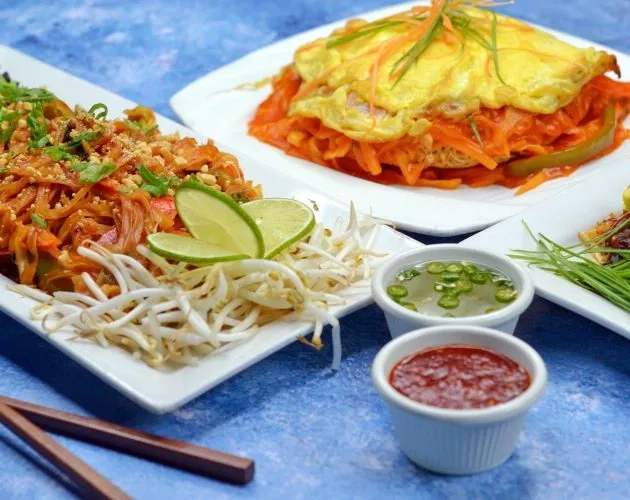
For years, beer and mango lassi dominated the conversation around pairing beverages with Indian food. While a cold lager certainly hits the spot, wine lovers often missed out on the incredible magic that happens when the right vintage meets complex spice blends. As dining cultures evolve, more guests visiting good Indian restaurants in NJ are looking to enjoy a fine glass of wine alongside their favorite dishes.
Indian cuisine relies on a sophisticated mix of spices, cumin, cardamom, cloves, turmeric, and fresh ginger, that create deep, layered flavor profiles. Navigating a wine list while scanning a menu full of aromatic curries and tandoori grills can feel intimidating, but it does not have to be. Understanding how acid, sweet, and fruit notes interact with heat allows you to discover why New Jersey best Indian restaurants are giving wine pairings a prominent spot on their menus.
The Core Mechanics of Pairing Wine with Bold Spices
Pairing wine with Indian food follows a different logic than traditional Western pairings. When matching wine with French or Italian cuisine, you often pair red wine with heavy meats and white wine with fish or poultry. Indian cooking, however, prioritizes sauce complexity, cooking style, and spice levels over the protein itself.
The biggest mistake diners make is choosing high-alcohol, high-tannin red wines with spicy dishes. Tannins interact with chili heat on your tongue, amplifying the burn and making the wine taste harsh or bitter. That is why diners at good Indian restaurants in NJ often find that lighter, fruit-forward wines perform much better when paired with heat. High alcohol also accentuates heat, so sticking to wines with lower alcohol by volume keeps your palate refreshed.
Acidity and subtle sweetness act as your best allies against rich sauces and fiery chilies. A wine with vibrant acidity cuts through ghee, cream, and oil, clearing your palate between bites. Meanwhile, a touch of residual sugar in an off-dry wine acts as a cushion against hot peppers, cooling your mouth without masking the dish's flavor.
Matching Wines to Your Favorite Dishes
To make ordering easy during your next night out, here is a simple guide to matching specific wine styles with classic Indian and fusion menu items served at establishments like Spice Rack.
Crispy Starters and Indo-Chinese Fusion
Small bites like samosas, steamed or fried momos, spring rolls, and crispy cauliflower need wines that slice through fried crunch and balance tangy sauces.
- Prosecco or Sparkling Wine: Bubbles scrub the palate after rich, fried bites and complement garlic and ginger.
- Sauvignon Blanc: High acidity and herbal notes pair effortlessly with cilantro chutneys and chili-garlic dressings often served at New Jersey best Indian restaurants.
- Dry Riesling: Provides crisp citrus notes that handle both savory spices and slight sweetness in appetizer dips.
Rich, Creamy Curries and Tikka Masala
Dishes made with tomato cream, cashews, or buttery bases need wines with enough weight to match their texture, balanced by enough acid to keep things lively.
- Off-Dry Riesling: The slight sweetness tames spiciness while acid cuts through heavy butter and cream bases.
- Gewürztraminer: Known for lychee, rose, and ginger aromas, this aromatic white highlights sweet spices like cardamom and cinnamon.
- Viognier: Full-bodied yet smooth, offering floral notes and lower acidity that sit comfortably alongside mild, nutty curries.
Tandoori Grills and Roasted Meats
Charred kababs, tandoori chicken, and grilled fish bring smoky, savory elements to the table. These hearty options can handle red wine, provided it is low in tannins.
- Pinot Noir: Ripe red fruit notes and low tannin structure allow the smoky tandoori marinade to shine without creating bitterness.
- Gamay or Beaujolais: Fresh, juicy, and low-tannin, this style serves as a versatile pick for guests exploring good Indian restaurants in NJ.
- Syrah or Shiraz: A medium-bodied Syrah with dark fruit and black pepper notes pairs wonderfully with charred lamb or spicier grilled dishes.
Fiery Spicy Curries and Tangy Dishes
When ordering dishes packed with red chilies, vinegar, or intense mustard seeds, fruit-forward profile wines are essential.
- Off-Dry Riesling or Chenin Blanc: Low alcohol content and subtle sugar tame chili heat, keeping your mouth cool.
- Chilled Grenache or Rosé: A dry, fruit-driven Rosé served cold balances tangy, vinegar-based sauces like vindaloo.
- Lambrusco: This lightly sparkling red wine, served chilled, offers a fun match for spicy dishes at New Jersey best Indian restaurants.
Smart Tips for Ordering at the Bar
When sitting down for dinner, do not hesitate to ask your server or bartender for guidance regarding their beverage program. Modern establishments with dedicated drink menus often feature staff who know which pours complement specific sauce bases.
- Request a Taste: If you are unsure whether a wine will clash with your meal, ask for a small taste before ordering a full glass.
- Consider Wine by the Glass: Ordering by the glass lets you match different wines to different courses, moving from a crisp white starter to a soft red main.
- Check the Serving Temperature: Reds served slightly cool handle spice far better than warm reds, so do not be afraid to ask for an ice bucket.
Making Your Next Dinner Out Unforgettable
Combining great food with thoughtfully selected wine creates a dining experience that stays with you long after the meal ends. Whether you are catching up over sizzling tandoori platters, sharing Indo-Chinese fusion small plates, or savoring a classic curry, the right glass brings out subtle flavors you might otherwise miss. Exploring how different varietals interact with traditional herbs and marinades is part of what makes dining at New Jersey best Indian restaurants so satisfying.
Next time you head out with friends or family, step outside your comfort zone and skip the standard beer order. By following these simple pairing principles, you will discover an entirely new side to your favorite meals.