Portable card machines have changed the way modern businesses handle customer payments. Whether you operate a busy café, provide services at customers’ homes, attend local markets, or run a growing retail business, having a reliable payment solution can make every transaction easier. A portable card machine allows businesses to accept card and contactless payments without keeping customers tied to a traditional checkout counter.
As customers increasingly expect quick and convenient payment options, businesses need technology that can move with them. A portable card machine offers that flexibility while creating a smoother experience for both the customer and the business owner. From small independent sellers to established companies, this type of payment equipment can support everyday transactions in a practical and professional way.
What Is a Portable Card Machine?
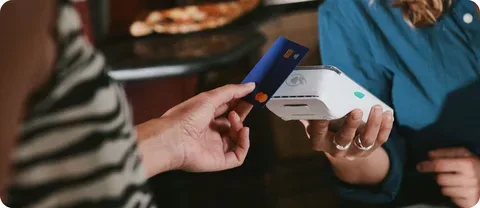
A portable card machine is a compact payment device designed to process card and contactless transactions away from a fixed checkout point. Unlike traditional countertop payment terminals that remain connected to one location, portable machines can be carried around a business premises or used in different areas depending on the available connection.
Customers can pay using debit cards, credit cards, and supported contactless payment methods. Depending on the machine and payment provider, mobile wallets may also be accepted. The transaction is normally completed within moments, giving customers a convenient way to settle their purchases.
The small size of these machines makes them particularly useful for businesses that serve customers at different tables, counters, rooms, vehicles, or outdoor locations. Instead of asking a customer to walk to a fixed terminal, the payment device can be brought directly to them.
Why Portable Card Machines Are Becoming Popular
Customer expectations have changed significantly. People are now accustomed to fast digital transactions and often prefer paying without handling cash. A business that offers convenient payment choices can create a more comfortable purchasing experience.
Portable card machines are popular because they combine flexibility with simplicity. Staff members can take payments where the customer is located, reducing unnecessary movement during busy periods. This can be especially useful in hospitality, retail, events, personal services, and mobile businesses.
For a small business owner, portability can also make the payment process feel more professional. A compact payment terminal can be used at different locations without requiring a large checkout setup.
How Portable Card Machines Work
The basic process behind a portable card machine is straightforward. The business enters the transaction amount into the device or connected system. The customer then presents a card or compatible contactless payment method.
The machine communicates with the relevant payment network through its available connection. Once the transaction is approved, the payment is completed and the customer receives confirmation.
Modern devices are designed to make this process quick and easy to understand. Clear screens and simple controls help staff guide customers through the payment without unnecessary complications.
Some portable card machines operate through Wi-Fi, while others can use mobile data connections. Certain models may support multiple connectivity options, allowing businesses to choose the most suitable method for their environment.
Portable Card Machines for Small Businesses
Small businesses often need equipment that provides useful features without taking up valuable space. A portable card machine can be an excellent option for independent shops, cafés, salons, tradespeople, market sellers, and service providers.
For a small business, every customer interaction matters. A payment experience that is fast and convenient can leave a positive impression. Instead of creating a queue around a single payment counter, staff may be able to process transactions closer to customers.
Mobile service providers can benefit even more because they may not have a traditional checkout area at all. A portable card machine allows them to accept payments while working at different customer locations.
Improving the Customer Experience
Payment is one of the final stages of a customer's journey, so making it simple can contribute to a better overall experience. Customers generally appreciate having a choice between different payment methods.
A portable card machine brings the transaction closer to the customer. In a restaurant, for example, staff can bring the device to a table. In a retail environment, a member of staff may complete a payment in another part of the store.
This convenience can reduce interruptions and help businesses provide a more personalized service. Customers do not necessarily have to leave their position simply to complete a transaction.
Contactless Payments and Modern Shopping Habits
Contactless payments have become an important part of everyday purchasing. Many customers prefer tapping a card or using a supported mobile device rather than inserting a card and entering a PIN for every transaction.
Portable card machines are commonly designed with contactless functionality, making them suitable for modern shopping habits. The customer can simply follow the instructions displayed on the terminal and complete the transaction using an accepted payment method.
For businesses, supporting contactless payments can help create a faster checkout process, particularly during busy periods when several customers need to be served.
Portable Card Machines for Hospitality Businesses
Restaurants, cafés, bars, hotels, and catering businesses can benefit significantly from portable payment technology. In hospitality, customers may be seated away from the main counter, making a portable terminal especially convenient.
Staff can take the payment directly at a table or service area. This can make the final stage of the customer experience feel more organized and efficient.
Portable terminals can also be useful for catering businesses attending private functions, corporate gatherings, exhibitions, and other events. Instead of relying on a permanent checkout station, the business can bring its payment equipment wherever transactions are taking place.
Portable Card Machines for Mobile Businesses
Some businesses operate almost entirely away from a fixed premises. Tradespeople, delivery providers, market sellers, event vendors, repair professionals, and independent service providers may meet customers in different locations every day.
For these businesses, portability is not simply an extra feature. It can be an important part of the payment process.
A portable card machine can allow the customer to pay immediately after receiving a service or purchasing an item. This can reduce the need for later payment arrangements and provide a more convenient experience.
Choosing the Right Portable Card Machine
Not every portable card machine is designed in exactly the same way, so businesses should consider how they intend to use the device. Connectivity is one of the most important factors.
A business operating mainly inside a shop may be comfortable using Wi-Fi. A mobile professional who travels between different locations may prefer a machine with mobile connectivity.
Battery performance is another important consideration. A device that needs frequent charging may be inconvenient for a business that processes transactions throughout the day. Businesses should consider expected daily usage and choose equipment that matches their requirements.
The display, controls, transaction speed, payment options, reporting features, and integration capabilities can also influence the decision.
Understanding Payment Fees
Before choosing a portable card machine, businesses should understand how payment costs are structured. Providers may use different pricing models, including transaction charges, monthly fees, equipment costs, or combinations of these.
The right option depends on the business's transaction volume and typical payment value. A company processing a large number of transactions may evaluate fees differently from a small business that receives fewer payments.
Reading the terms carefully can help business owners understand the total cost of using the payment service. Looking beyond the initial device price is important because ongoing transaction costs can have a greater effect over time.
Security and Payment Protection
Payment security is an essential consideration for every business that accepts cards. Modern payment terminals are designed with security features intended to protect transaction information and reduce the risks associated with unauthorized payment activity.
Businesses should still follow good payment practices. Staff should understand how to operate the terminal correctly, and business owners should keep their payment systems updated according to the provider's instructions.
Customers also value visible signs that a business takes payment security seriously. A reliable payment process can contribute to confidence during the purchasing experience.
Portable Card Machines and Business Mobility
One of the greatest advantages of portable payment technology is freedom of movement. Businesses are no longer limited to processing payments at one fixed location.
A retailer can use a terminal across different areas of a store. A restaurant can process payments at tables. A service professional can accept payment at a customer's property. An event seller can take payments from different positions throughout a venue.
This flexibility can make payment processing better suited to the way modern businesses actually operate.
Connecting Portable Card Machines With Business Systems
Some portable card machines can work alongside point-of-sale systems and business management software. This can help businesses maintain more organized records of sales and payments.
Depending on the provider and system, transactions may be connected with sales information, receipts, reporting tools, or inventory management. Integration can reduce the amount of manual work required to keep payment records organized.
Before purchasing a machine, businesses that already use accounting, retail, or point-of-sale software should check whether the payment terminal supports the required integration.
The Role of Battery Life
Battery life can have a major effect on the practicality of a portable card machine. Since the device is designed to move around, it should be ready when customers need to make payments.
Businesses with high transaction volumes should consider how long the machine can operate between charges. Charging arrangements should also be convenient, particularly for businesses that remain active throughout the day.
A dependable battery can make portable payment equipment much easier to incorporate into daily operations.
Portable Card Machines for Events
Events can create unique payment requirements because customers may be spread across a large area. Festivals, exhibitions, trade shows, conferences, private functions, and temporary retail spaces may not have traditional checkout facilities.
Portable card machines can help businesses accept payments without building a permanent payment counter. Vendors can move around the event and process transactions where customers are being served.
This makes portable payment technology a practical choice for businesses that participate in temporary events or operate across changing locations.
Making Transactions More Convenient
A good payment experience should not feel complicated. Customers want to know the amount they are paying, choose their preferred payment method, and receive confirmation without unnecessary delays.
Portable card machines can support this straightforward approach by placing the payment device directly in front of the customer. The process becomes easier to understand and can fit naturally into the service interaction.
For businesses, this can also reduce unnecessary steps and allow employees to focus on serving customers rather than directing them toward a distant payment point.
The Future of Portable Payment Technology
Payment technology continues to develop as businesses and customers look for faster and more flexible ways to complete transactions. Portable card machines are likely to remain important because they fit naturally into mobile and customer-focused business models.
Future payment devices may offer improved connectivity, longer battery performance, better integration with business software, and increasingly simple interfaces. As digital payments become more common, businesses will continue looking for equipment that can keep pace with changing customer expectations.
The key advantage of portable payment technology is its ability to bring the checkout experience directly to the customer.
Conclusion
Portable card machines provide businesses with a flexible and convenient way to accept payments in different locations. Their compact design, contactless capabilities, connectivity options, and mobility make them useful across retail, hospitality, events, professional services, and mobile businesses.
Choosing the right device requires careful consideration of connectivity, battery performance, supported payment methods, fees, security features, and compatibility with existing business systems. When selected according to real business needs, a portable card machine can make everyday transactions simpler while creating a smoother experience for customers.
As businesses continue moving toward flexible and convenient payment solutions, portable card machines offer a practical approach to modern transactions. They give businesses the freedom to accept payments where service happens, helping turn the traditional checkout process into a more adaptable part of the customer experience.