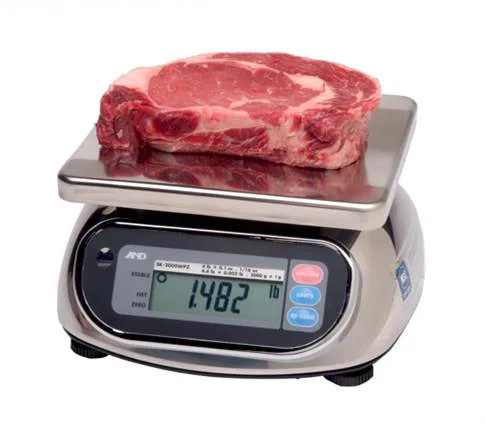
Portion control can make healthy eating easier, but estimating food quantities by eye is not always accurate. A serving that looks small can contain more calories or ingredients than expected, while an oversized portion can quickly increase total food intake.
This is where food scales can help. A food scale provides a simple way to measure ingredients and portion sizes by weight, making it easier to follow recipes, understand serving sizes, and maintain consistency when preparing meals.
Whether you are meal prepping, following a structured eating plan or simply trying to become more aware of how much you eat, learning how to use a food scale can make portion control more straightforward.
What Is a Food Scale?
A food scale is a weighing device designed to measure the weight of food and ingredients. Most modern digital food scales display measurements in units such as grams, kilograms, ounces or pounds.
Unlike measuring cups and spoons, which measure volume, food scales measure weight. This can provide greater consistency because different ingredients can have significantly different densities.
For example, one cup of flour does not necessarily weigh the same as one cup of chopped nuts. Measuring ingredients by weight can therefore make recipes more repeatable and portions easier to track.
Why Use Food Scales for Portion Control?
Portion sizes can be difficult to estimate accurately. People often rely on visual comparisons or standard serving sizes, but these methods can vary considerably.
Using food scales allows you to measure exactly how much food you are putting on your plate.
Key benefits include:
- More accurate portions: Measure food by weight instead of estimating.
- Consistent meal preparation: Prepare similar portions each time.
- Easier meal tracking: Record the actual amount of an ingredient or food.
- Better recipe results: Follow recipes that specify ingredients by weight.
- Reduced food waste: Measure only the amount you need.
- Greater awareness: Learn what typical serving sizes look like over time.
The goal is not necessarily to weigh every item you eat forever. Instead, a food scale can be used as a practical tool to develop a better understanding of portion sizes.
How to Use a Food Scale Correctly
Using a digital food scale is usually straightforward. Follow these steps for consistent measurements.
1. Place the Scale on a Flat Surface
Put the food scale on a stable, level surface before weighing anything. An uneven or unstable surface can affect the measurement.
Keep the scale away from spills, excessive moisture and other conditions that could interfere with its operation.
2. Select the Correct Unit
Turn on the scale and select the unit required for your recipe or meal plan. Grams are commonly used because they allow relatively precise measurements.
If a recipe uses ounces, pounds or another unit, select the appropriate setting or use the scale's conversion function if available.
3. Use the Tare Function
The tare function is one of the most useful features on digital food scales.
Place your bowl, plate or container on the scale and press tare. The display should return to zero, allowing you to measure only the food.
This means you do not need to calculate the weight of the container separately.
4. Add Your Food
Add the food gradually until you reach the desired weight.
For example, if your meal plan calls for 100 grams of a particular ingredient, add it until the display reaches approximately 100 grams.
If you are preparing a recipe with several ingredients, you can often use the tare function between ingredients and measure everything in the same bowl.
5. Record the Measurement if Needed
If you are tracking recipes, meal preparation or nutritional information, record the weight of each ingredient.
Remember that nutritional values can differ depending on whether food is measured before or after cooking. Always follow the measurement method used by the nutrition information or recipe you are following.
Food Weight vs Portion Size: What's the Difference?
Food weight and serving size are related but are not always the same thing.
A food weight tells you how much an item weigh. A portion size refers to the amount of food you choose to eat.
For example, a recipe might recommend 150 grams of cooked rice as a serving. A food scale lets you measure that quantity accurately.
However, appropriate portions can vary depending on factors such as age, activity level, individual nutritional needs and dietary goals. A food scale should therefore be viewed as a measurement tool rather than a replacement for personalised nutritional advice.
Using Food Scales for Meal Preparation
Food scales are particularly useful for meal prepping because they make it easier to divide a larger recipe into consistent portions.
Suppose you prepare a large batch of cooked vegetables, rice and protein for several meals. Instead of dividing the food visually, you can weigh portions into separate containers.
This can help create consistency across meals and make it easier to understand how much of each ingredient you are consuming.
Food scales can also be useful when baking. Ingredients such as flour, sugar and butter can be measured precisely by weight, helping produce more consistent results.
Tips for Weighing Different Types of Food
Different foods can require slightly different approaches.
Dry ingredients
Place a bowl on the scale, use tare and add the required quantity. This works well for flour, rice, oats, cereal, nuts and other dry ingredients.
Fruits and vegetables
You can weigh whole produce before preparation or weigh the edible portion after cutting, depending on how nutritional information is provided.
Meat and fish
Be consistent about whether you are measuring raw or cooked food. Cooking changes the water content and therefore the weight.
Liquids
Some digital food scales can measure liquids by weight, but remember that weight and volume are different measurements. Follow the recipe or nutritional information carefully.
How Accurate Should a Food Scale Be?
For everyday portion control, a reliable digital scale with suitable measurement increments is generally sufficient.
The right scale depends on how you intend to use it. Consider:
- Maximum weighing capacity
- Measurement increments
- Unit options
- Tare function
- Display readability
- Platform size
- Ease of cleaning
- Battery life
- Durability
If the scale will be used regularly, choose one that is easy to operate and clean. A larger platform can also be useful when weighing bowls, plates or larger ingredients.
Common Mistakes to Avoid
Even a good food scale cannot provide useful results if it is used incorrectly.
Avoid placing the scale on an unstable surface, forgetting to tare the container or mixing raw and cooked measurements without accounting for the difference.
It is also important not to assume that every food needs to be weighed. For many people, the purpose of using food scales is to learn portion awareness and create consistency rather than make eating overly complicated.
Are Food Scales Useful for Healthy Eating?
Yes. Food scales can be a practical tool for people who want greater awareness of portion sizes and ingredient quantities.
They can make meal preparation more consistent, help with recipe accuracy and provide a clearer understanding of how much food is being served. However, healthy eating involves more than measuring food. Overall dietary quality, variety, nutritional balance and individual needs are also important.
Used sensibly, a food scale can support healthy eating without making meal preparation unnecessarily complicated.
Final Thoughts
Portion control does not have to involve guesswork. Food scales provide a simple way to measure ingredients and serving sizes accurately, whether you are preparing everyday meals, meal prepping or following recipes.
Start by placing the scale on a stable surface, selecting the appropriate unit, using the tare function and weighing your food consistently. Over time, these measurements can help you develop a better understanding of portion sizes and make meal preparation more predictable.
The best food scale is one that fits naturally into your routine. Choose a reliable model with the capacity, accuracy and features you need, and use it as a helpful tool for building practical, sustainable eating habits.
Frequently Asked Questions
Are food scales good for portion control?
Yes. Food scales allow you to measure food by weight rather than estimating portion sizes visually, which can make portion control more consistent.
Should I weigh food before or after cooking?
It depends on the food and the nutritional information you are using. Cooking can change a food's water content and weight, so always use the same measurement method as the relevant nutrition information or recipe.
What is the best unit to use on a food scale?
Grams are a convenient unit for most food measurements because they allow precise measurements and are commonly used in recipes and nutritional information.
Can I use a food scale for meal prepping?
Yes. Food scales can help divide ingredients and prepared meals into consistent portions, making them particularly useful for meal preparation.
Do I need to weigh everything I eat?
Not necessarily. A food scale can be used as a learning and portion-control tool. You can use it when greater accuracy is helpful without needing to weigh every food item indefinitely.