
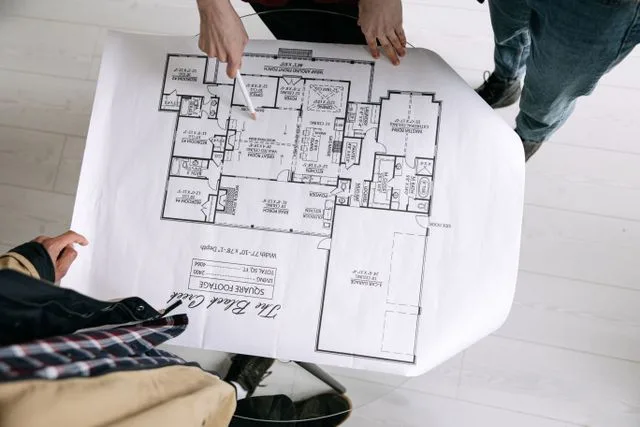
Every successful commercial construction project begins long before equipment arrives on-site or foundations are poured. The decisions made during the planning stage influence the project's cost, timeline, quality, and long-term performance. For developers, business owners, and property investors, investing in preconstruction services in Middleburg helps reduce uncertainty while creating a clear roadmap from concept to completion.
Middleburg continues to attract commercial development that respects the area's historic charm while supporting modern businesses. Whether planning an office building, event venue, retail space, agricultural facility, or mixed-use development, early planning helps prevent costly delays and unexpected expenses later in the project. Rather than treating preconstruction as an optional step, experienced builders view it as one of the most valuable phases of the entire construction process.
Preconstruction services allow every aspect of a project to be evaluated before construction begins. This includes reviewing budgets, analyzing the site, coordinating with architects and engineers, identifying potential risks, establishing schedules, and ensuring the project can move forward efficiently once permits are approved.
Understanding What Preconstruction Services Include
Preconstruction services encompass all of the planning, evaluation, and coordination completed before physical construction starts. Instead of waiting until problems arise during construction, the project team works proactively to identify opportunities and challenges early.
The preconstruction phase typically begins with understanding the owner's vision. Discussions focus on building purpose, operational needs, long-term growth plans, project priorities, desired aesthetics, sustainability goals, and financial expectations. These conversations establish the framework that guides every design and construction decision moving forward.
Once project objectives are established, the construction team collaborates with architects, engineers, surveyors, and consultants to evaluate the property's conditions and develop realistic solutions. Site investigations help determine grading requirements, drainage considerations, utility access, environmental concerns, and potential permitting challenges before design work progresses too far.
This collaborative planning creates greater confidence for everyone involved while significantly reducing costly design revisions during construction.
Why Early Planning Saves Money
Many owners assume preconstruction services simply add another expense to the project. In reality, they often generate substantial cost savings by eliminating expensive surprises.
Without proper planning, issues like unsuitable soil conditions, utility conflicts, permit complications, or design errors may only become apparent after construction begins. Addressing these problems during active construction typically requires schedule changes, additional labor, redesign work, and material adjustments that increase overall project costs.
During preconstruction, these potential obstacles can be identified while changes remain relatively inexpensive to make. Material substitutions, structural adjustments, and design improvements can all be evaluated before contracts are finalized and crews begin work.
Accurate cost estimating also allows owners to understand where every construction dollar is allocated. Instead of relying on rough assumptions, detailed quantity takeoffs and current material pricing produce realistic budgets that reflect actual market conditions.
This financial transparency helps owners make informed decisions while reducing the likelihood of unexpected cost overruns.
Site Evaluation Shapes Project Success
Every commercial property presents unique opportunities and constraints. Understanding these characteristics before construction begins is one of the primary goals of preconstruction services.
A comprehensive site evaluation examines topography, soil conditions, drainage patterns, existing utilities, property boundaries, access roads, environmental restrictions, stormwater management requirements, and zoning regulations.
Middleburg presents its own set of planning considerations. Rural properties often require additional coordination for septic systems, well installations, stormwater controls, and utility extensions. Historic districts may include architectural review requirements that influence building appearance and exterior materials.
Evaluating these factors early helps ensure the design aligns with local regulations while avoiding delays during permitting and construction.
Rather than reacting to site limitations after work begins, experienced project teams develop practical solutions before construction documents are finalized.
Developing Accurate Construction Budgets
One of the greatest advantages of preconstruction services Middleburg is producing detailed cost estimates that owners can trust.
Budgets are developed using current labor rates, material pricing, subcontractor input, equipment costs, permitting fees, contingency planning, and projected market conditions. Instead of providing generalized estimates, experienced construction teams analyze each building component individually.
Owners gain a clearer understanding of how design decisions influence costs. For example, selecting certain structural systems, roofing materials, mechanical equipment, or architectural finishes can significantly impact the overall investment.
With accurate budgeting available early in the planning process, adjustments can be made before final drawings are completed.
This approach keeps projects financially realistic while maintaining quality expectations.
Scheduling Before Construction Begins
Construction schedules involve far more than selecting a start date.
Preconstruction planning establishes realistic timelines for design development, permitting, procurement, subcontractor coordination, inspections, utility installation, and final occupancy.
Material lead times have become increasingly important as supply chain disruptions continue affecting many construction products. Mechanical equipment, structural steel, electrical components, windows, and specialty finishes often require months for manufacturing and delivery.
Planning procurement during preconstruction helps reduce schedule disruptions later.
A detailed construction schedule also allows owners to coordinate financing, tenant occupancy, staffing, equipment installation, and business operations with greater confidence.
Rather than relying on optimistic assumptions, the project follows an organized sequence built around actual project requirements.
Collaboration Improves Design Quality
Successful commercial construction depends on strong communication between every member of the project team.
Preconstruction encourages collaboration among owners, architects, engineers, contractors, consultants, and specialty trades from the earliest stages of development.
Instead of working independently, each discipline contributes practical insights that improve the final design.
Contractors provide constructability recommendations that simplify installation without sacrificing quality. Engineers verify structural systems, utilities, and building performance. Architects ensure functionality aligns with the owner's vision while maintaining aesthetic goals.
This integrated process reduces conflicts between drawings, minimizes change orders, and creates a smoother construction experience.
Managing Risk Before Groundbreaking
Every commercial construction project contains risks.
Weather, permitting delays, fluctuating material prices, labor availability, environmental conditions, and unforeseen site challenges all have the potential to impact schedules and budgets.
Preconstruction services focus heavily on identifying these risks before they become expensive problems.
Risk assessments evaluate construction logistics, regulatory requirements, safety considerations, utility coordination, and procurement strategies. Alternative solutions can then be developed to reduce project exposure.
Contingency planning allows owners to make informed decisions while maintaining greater control over project outcomes.
Instead of reacting to unexpected events during construction, the team prepares for them in advance.
Supporting Efficient Permitting
Obtaining permits often becomes one of the longest phases of commercial construction.
Incomplete drawings, missing documentation, or code compliance issues frequently delay approvals.
Preconstruction services help streamline permitting by ensuring construction documents meet local requirements before submission.
Project teams coordinate with municipal agencies, zoning officials, utility providers, and regulatory authorities throughout the planning process. Building codes, accessibility requirements, fire protection standards, stormwater regulations, and environmental considerations are reviewed early.
This proactive approach reduces revisions and shortens approval timelines.
For projects in Middleburg, early coordination becomes particularly valuable due to rural infrastructure considerations and local development requirements.
Material Selection During Preconstruction
Material choices affect far more than appearance.
Structural systems, insulation, roofing, windows, mechanical equipment, flooring, and exterior finishes all influence project costs, energy efficiency, maintenance requirements, and long-term durability.
During preconstruction, owners have the opportunity to compare materials based on lifecycle value rather than initial purchase price alone.
Some products may cost more initially but provide decades of lower maintenance expenses and reduced operating costs.
Others may shorten construction schedules because of faster installation or improved availability.
Evaluating these options early helps maximize long-term value while staying within budget.
Preparing for Construction Success
When construction finally begins, the goal is simple: execute the plan efficiently with minimal surprises.
Projects that invest time in thorough preconstruction planning generally experience smoother workflows, stronger communication, fewer change orders, better cost control, and more predictable schedules.
Contractors begin work with complete information, subcontractors understand project expectations, materials have already been coordinated, and owners have confidence in the overall process.
Instead of making major decisions during construction, the focus shifts toward quality workmanship and successful execution.
Choosing the Right Partner for Preconstruction Services in Middleburg
Not every contractor approaches preconstruction with the same level of detail.
The most successful commercial projects begin with construction professionals who understand budgeting, scheduling, permitting, constructability, risk management, and collaborative planning.
For commercial developments in Middleburg, early planning becomes especially valuable because projects often involve rural infrastructure, unique site conditions, environmental considerations, and community design expectations.
An experienced construction team helps owners evaluate every aspect of the project before construction starts, allowing informed decisions that improve quality while protecting budgets and schedules.
Ultimately, preconstruction services are not simply about preparing drawings or estimating costs—they establish the foundation for every successful commercial building project. Investing in thoughtful planning today creates stronger buildings, smoother construction, and better long-term results for businesses, developers, and communities alike.