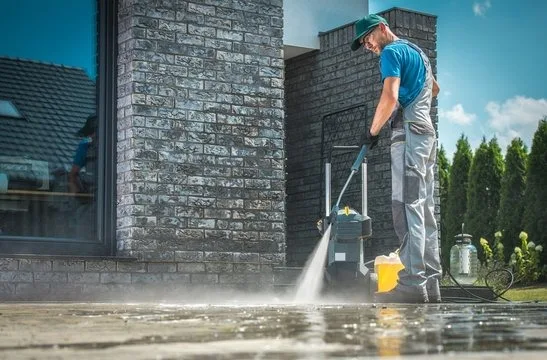
Pressure washing services use high-velocity water streams to remove dirt, mold, mildew, grease, and staining from a wide range of surfaces. Residential and commercial property owners rely on these services to maintain the appearance and structural condition of their buildings, parking areas, sidewalks, and exterior walls.
The process works by forcing water through a narrow nozzle at controlled pressure levels. Technicians adjust the pressure and temperature based on the surface type being cleaned. Concrete can handle significantly higher pressure than wood decking or vinyl siding, so trained professionals assess each job before starting work.
Residential Applications
Driveways and Walkways
Driveways are among the most frequently requested surfaces for pressure washing services. Concrete and asphalt driveways accumulate oil stains, tire marks, algae, and general road grime over months of use. Standard cleaning products rarely reach deep into the pores of concrete, but pressurized water combined with appropriate detergents can extract embedded material and restore a cleaner surface.
Brick walkways and stone pavers have similar issues. Organic growth, such as moss and algae, develop between paver joints, when left in this state, the growths accelerate surface erosion over time. Regular cleaning prevents long-term deterioration without requiring replacement.
Home Exteriors
Siding, whether vinyl, wood, fiber cement, or brick, collects airborne pollutants, biological growth, and accumulated weathering. Pressure washing services for home exteriors generally use lower pressure settings to avoid damaging paint, caulking, or underlying materials. Soft washing techniques, which rely on higher water volume at lower pressure combined with cleaning solutions, are commonly used for more delicate surfaces.
Roof cleaning is a related service that addresses algae streaking and moss growth on shingles. Many roofing professionals recommend periodic cleaning to extend the life of roofing materials. though this work is typically done with soft wash equipment rather than high pressure to avoid granule loss on asphalt shingles.
Decks and Patios
Wood decks and composite patios are cleaned differently from concrete or masonry. Wood requires careful pressure management to avoid raising grain or splintering the surface. Once cleaned, many homeowners apply a sealer or stain to protect the wood from moisture penetration. Composite decking is generally more forgiving but still benefits from regular cleaning to prevent staining and mold buildup on textured surfaces.
Commercial Applications
Parking Lots and Garages
Commercial parking facilities accumulate heavy grease deposits, fuel stains, and heavy traffic residue at a rate that far exceeds most residential surfaces. Pressure washing services for parking structures often involve industrial-grade equipment and may include water reclamation systems to meet local environmental regulations regarding runoff management.
Municipalities and property managers schedule routine cleaning for parking garages to control slip hazards from oil and algae. Clean parking areas also make a direct impression on customers and tenants who visit a commercial property.
Storefronts and Building Exteriors
Retail storefronts, office buildings, and industrial facilities benefit from exterior cleaning for both visual and maintenance reasons. Graffiti removal, gum extraction from sidewalks, and removal of biological staining from masonry are all within the scope of commercial pressure washing services.
Building managers typically schedule exterior cleaning on an annual or semi-annual cycle, depending on the location and local environmental factors such as humidity, proximity to trees, and vehicle traffic volume.
Fleet and Equipment Washing
Many companies that operate large fleets of vehicles or heavy equipment use pressure washing services as part of their maintenance schedule. Clean equipment is easier to inspect for wear, corrosion, or damage, and it also meets safety standards in industries like food service and transportation.
Soft Washing vs. Pressure Washing
Not all exterior cleaning situations call for maximum pressure. Soft washing is a technique that uses lower water pressure combined with biodegradable cleaning agents to sanitize and clean surfaces without mechanical abrasion. This method is preferred for:
- Roof shingles and tile
- Painted wood surfaces
- Stucco and EIFS (exterior insulation and finishing systems)
- Screen enclosures and awnings
Standard pressure washing, by contrast, is well-suited for:
- Concrete driveways and sidewalks
- Brick and stone walls
- Metal surfaces and equipment
- Parking lots and loading docks
Professional companies offering pressure washing services typically provide both methods and match the technique to the surface during an initial site evaluation.
Factors That Affect Cleaning Outcomes
Several variables influence the results of a pressure washing job. The age and condition of the surface matter, such as older concrete or weathered wood, may not respond the same way as newer materials. The type and depth of staining also affect how many passes are required and whether chemical pre-treatment is necessary.
Water temperature plays a role as well. Hot water pressure washing breaks down grease and biological matter more effectively than cold water alone, making it a common choice for restaurant exteriors, commercial kitchens, and food processing facilities.
The frequency of cleaning also affects how difficult each cleaning session becomes. Surfaces that receive regular maintenance are easier to clean and tend to require less detergent and lower pressure to achieve satisfactory results.
Environmental Considerations
Professional pressure washing services must handle wastewater responsibly. In many jurisdictions, storm water regulations prohibit the discharge of wash water containing detergents, oils, or debris into storm drains or waterways. Compliant companies use containment berms, vacuum recovery systems, and filtration equipment to capture and dispose of wastewater properly.
Eco-friendly cleaning solutions have become more common in the industry. Biodegradable detergents reduce the chemical load in wastewater and are often required when working near landscaping, water features, or environmentally sensitive areas.
Choosing a Pressure Washing Provider
Property owners and facility managers should look for providers with verifiable experience, appropriate licensing, and liability insurance. Insurance coverage is important because high-pressure equipment can cause surface damage or injury if operated incorrectly. Reputable companies provide documentation of their coverage and walk clients through the scope of work before starting.
Excellence Janitorial Services and Carpet Cleaning is one example of a company that provides professional exterior cleaning alongside a broader range of commercial and residential cleaning services. For property managers who need multiple cleaning disciplines handled by a single provider, companies with this kind of service range can simplify scheduling and vendor management.
References and before-and-after documentation are reasonable things to request from any prospective provider. Companies with consistent experience in pressure washing services will typically have a portfolio of prior work available for review.
Maintenance Scheduling
The appropriate frequency for pressure washing services varies by property type, local climate, and surface material. General guidance from cleaning industry professionals suggests the following intervals as starting points:
Residential driveways and walkways often benefit from cleaning once or twice per year. Home exteriors, particularly in humid or coastal regions where mold and mildew grow quickly, may require annual cleaning. Commercial properties with heavy foot traffic or food service operations may need more frequent attention, sometimes quarterly or monthly, for specific high-use areas.
Setting a regular schedule rather than waiting until surfaces show visible staining tends to reduce the overall cost and labor involved in each cleaning session. It also helps property owners avoid the compounding effects of mold or oil penetration that can eventually require surface restoration rather than simple cleaning.
Summary
Pressure washing services address a practical need across residential, commercial, and industrial properties. From driveways and home exteriors to parking garages and retail storefronts, professional cleaning services maintain the condition and appearance of surfaces that would otherwise degrade under accumulated dirt, biological growth, and environmental exposure.
The technique requires knowledge of surface materials, appropriate equipment, and compliance with environmental regulations. Property owners who work with established, insured providers and maintain regular cleaning schedules tend to see the best long-term results from pressure washing services.