
Damp walls are one of the most frustrating problems homeowners face. Peeling paint, mold growth, unpleasant odors, dark patches, and damaged plaster can quickly make a room look old and poorly maintained. While repainting may provide a temporary improvement, it often does not address the underlying moisture problem. This is where a pvc wall panel can become a practical wall-finishing option, particularly in areas where humidity and occasional moisture are common. However, installing panels over damp walls is not as simple as covering the problem. The wall must be prepared correctly, and homeowners need to understand what works, what does not, and when a different solution may be necessary.
Why Do Walls Become Damp?
Before choosing any wall covering, it is important to understand why dampness is occurring. Moisture can enter walls for several reasons, including plumbing leaks, rainwater seepage, poor waterproofing, rising damp, condensation, or water entering through cracks in the exterior.
In bathrooms, kitchens, laundry areas, and utility rooms, high humidity can also contribute to moisture-related problems. If the source remains untreated, simply installing a wall panel can hide the symptoms without solving the cause.
This distinction is essential. Wall panels can help create a moisture-resistant finished surface, but they should not be considered a replacement for waterproofing or structural repairs.
What Works When Installing Panels on Damp Walls?
The first thing that works is proper moisture control. Before installation, inspect the wall carefully for active leaks, seepage, loose plaster, or visible mold. Any plumbing issue or waterproofing failure should be repaired before the decorative surface is installed.
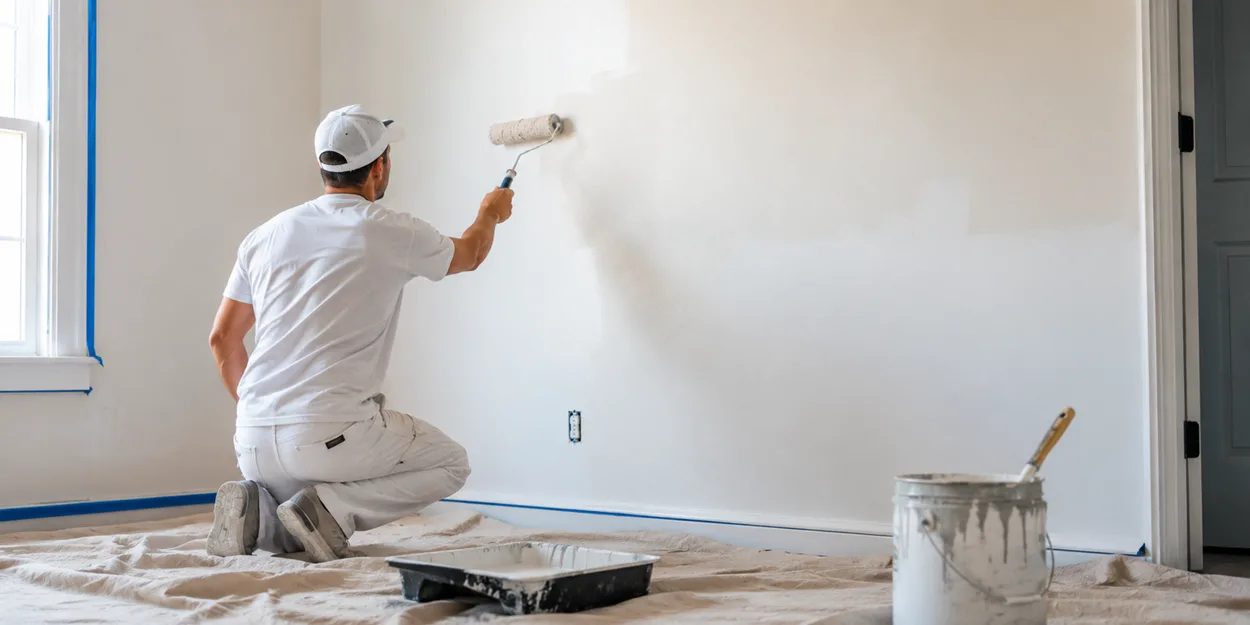
The second important step is preparing the wall. The surface should be reasonably sound, clean, dry, and free from loose material. If old paint or plaster is flaking badly, it should be removed and repaired. Mold or mildew should also be treated appropriately before covering the area.
Another factor is selecting a suitable panel and installation system. PVC-based decorative panels are often attractive for moisture-prone spaces because they are easy to maintain and do not absorb water in the same way as conventional materials such as untreated wallpaper or some porous wood products.
A good installation also requires attention to joints, corners, edges, and penetrations. Small gaps can allow moisture to move behind the panels, potentially creating another problem. Proper adhesives, sealants, trims, and installation techniques therefore matter just as much as the panel itself.
What Doesn’t Work?
One of the biggest mistakes is installing panels directly over a visibly wet wall. If the wall remains damp because of ongoing seepage, the panel may conceal the issue, making it harder to detect and repair later.
Another poor approach is ignoring mold. Covering mold with a decorative surface does not eliminate it. Moisture and poor ventilation can allow the problem to continue behind the covering.
Installing panels over crumbling plaster is also risky. Even if the finished surface looks attractive, an unstable base can affect adhesion and durability. Wall preparation should always come before aesthetic upgrades.
Homeowners should also avoid assuming that every panel is suitable for every wet environment. There is a difference between a material being moisture-resistant and being designed for continuous direct water exposure. Product specifications, installation instructions, and the intended application should always be checked before purchase.
Best Rooms for PVC Wall Panels
Bathrooms are among the most popular places for moisture-resistant wall finishes. Panels can provide a smooth decorative surface that is easier to wipe down than many traditional finishes. They can be particularly useful on walls exposed to steam and humidity, provided the installation system is suitable for the space.
Kitchens are another practical application. Cooking creates steam, grease, and splashes, especially around sinks and cooking areas. A washable wall finish can make regular cleaning easier while also contributing to a neat appearance.
Laundry rooms and utility spaces can also benefit because these areas may experience humidity and occasional splashes. Decorative panels can give these functional rooms a more finished appearance without requiring frequent repainting.
Basements and other naturally humid rooms require more caution. If the underlying issue is significant water intrusion or rising damp, wall cladding should not be treated as the primary solution. Waterproofing and ventilation should come first.
How Panels Compare With Paint on Damp Walls
Paint is affordable and offers endless color choices, but dampness can cause bubbling, peeling, staining, and fungal growth. In many cases, repainting a damp surface only provides a short-term cosmetic improvement.
A pvc wall panel can provide a more durable-looking decorative finish in moisture-prone environments, while also reducing the need for frequent repainting. However, its performance depends heavily on proper wall preparation and installation.
Tiles are another common choice for bathrooms and kitchens. They can offer excellent water resistance, but installation can involve more preparation, grouting, cutting, and maintenance. Panels may appeal to homeowners seeking a faster decorative transformation with fewer visible joints, depending on the selected design.
Ultimately, the right choice depends on the source of moisture, room conditions, desired appearance, budget, and expected level of water exposure.
Maintenance Tips for Damp-Prone Walls
Even moisture-resistant wall finishes need routine care. Regularly wipe surfaces with a soft cloth or suitable mild cleaner to remove dust, splashes, and buildup. Avoid harsh chemicals or abrasive tools unless the manufacturer specifically recommends them.
Ventilation is equally important. Use exhaust fans in bathrooms and kitchens, keep air circulating, and address condensation whenever possible. Good ventilation helps reduce the humidity that can contribute to mold growth and lingering dampness.
Inspect corners, joints, and edges occasionally. If you notice discoloration, loose sections, unusual odors, or signs of moisture returning, investigate the area promptly rather than assuming the panel has solved the issue.
For long-term performance, maintenance should focus not just on the visible surface but also on the condition of the wall behind it.
Making the Right Choice for Your Home
Choosing wall panels for a damp room requires a balanced approach. The goal should not simply be to hide stains or peeling paint but to create a wall finish that works with the room’s moisture conditions.
Start by identifying the source of dampness. Repair leaks, improve waterproofing, remove damaged materials, and allow the wall to become suitable for installation. Then choose a panel designed for the specific environment and use appropriate fixing and sealing methods.
A well-planned installation can improve the appearance of a room while making everyday cleaning more convenient. It can also reduce the repeated cycle of painting and repairing surfaces that are affected by humidity.
For homeowners considering a practical decorative upgrade, pvc wall panel solutions can be worth exploring when the wall has been properly prepared and the product is appropriate for the intended space.
Conclusion
Damp walls require more than a quick cosmetic fix. The most successful results come from solving the moisture source first, preparing the surface carefully, selecting suitable materials, and ensuring that joints and edges are properly sealed. When these steps are followed, wall panels can offer an attractive, easy-to-maintain finish for kitchens, bathrooms, utility rooms, and other humidity-prone areas.
For homeowners and interior enthusiasts looking for modern wall-finishing solutions, Dhabriya Polywood Ltd. offers options that can complement contemporary home décor while addressing practical finishing requirements. The key is to view wall panels as part of a complete moisture-management strategy rather than a substitute for waterproofing or structural repairs.