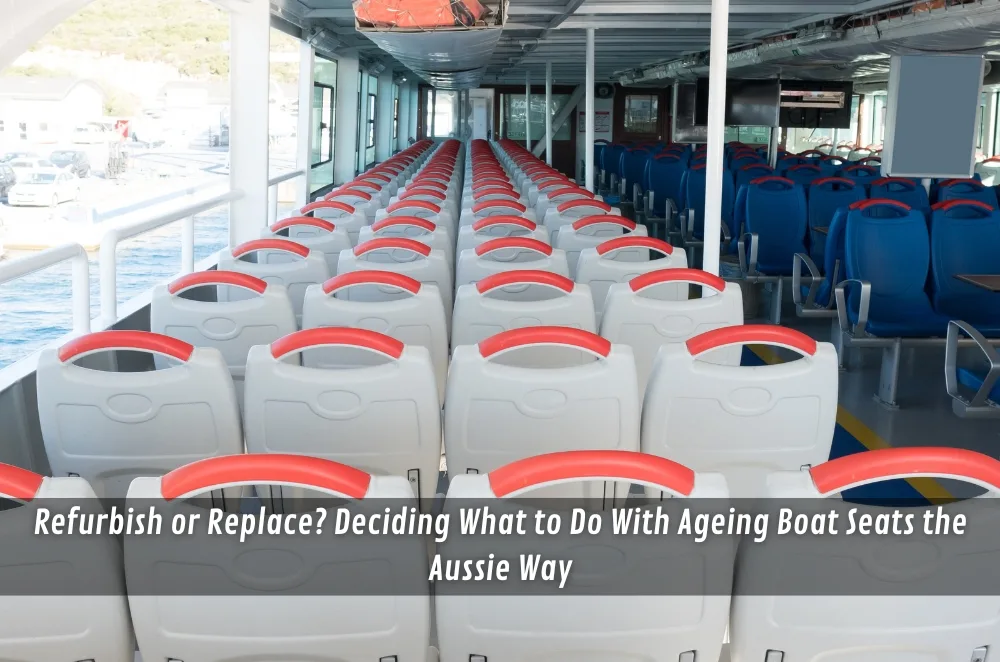
A faded vinyl bolster or a wobbling pedestal might look like a quick DIY fix, but sometimes cosmetic cracks hide deeper fatigue that can compromise comfort—and even safety—out on the water. Replacing marine seating isn’t cheap, yet throwing good money at constant patch-ups can be just as costly over time. So how do Australian skippers work out when a simple refurb will do and when it’s smarter to start fresh?
Below, we break down key wear indicators, compare refurbishment and replacement side-by-side, and finish with a five-question framework you can run through before the next boating season rolls in.
1. Spotting the Warning Signs Early
Season after season of UV, salt spray and temperature swings take a real toll on seating materials. While aesthetics matter, safety and fatigue control matter more. According to the Australian Maritime Safety Authority guidelines on recreational vessel upkeep, seats need to provide secure support for all occupants during typical operating conditions—including sudden manoeuvres. If any of the issues below show up, at minimum a closer inspection is in order:
Visible Surface Damage
• Spider cracking or chalky fading on vinyl
• Mould staining that returns even after cleaning
• Split seams or frayed stitching at high-stress corners
Structural Red Flags
• Loose hinges, wobbly pedestals or rusted swivel hardware
• Compressed—or completely flattened—foam cushions
• Backrest movement that feels looser each trip
Comfort & Safety Cues
• Noticeable lower-back or thigh fatigue after short runs
• Passengers sliding on cushions in choppy conditions
• Seat bases creaking under weight transfers
Catching problems at this stage keeps minor refurb costs from ballooning into major downtime later.
Readers interested in the ergonomics behind seat comfort can also check out a useful explainer on ergonomic features in modern boat seating.
2. Refurbishment vs Full Replacement: What Actually Changes?
Before crunching numbers, it helps to understand what each pathway really delivers.
Decision FactorRefurbish (Clean / Patch / Re-upholster)Replace (Install New Seats)When It Makes SenseCosmetic AppealRemoves stains, new covers look freshInstant factory-level finish, cohesive styleMinor fading vs full interior updateStructural IntegrityHinges & pedestals reused unless upgradedNew bases, frames, hardware & foamHardware still solid vs recurring wobbleTime Off WaterUsually day-job or weekend DIYDelivery & fitment 1–2 weeks depending on supplierTight trip schedule vs winter lay-upCost Outlay (Labour & Parts)Lower upfront, higher over multiple refurbsHigher upfront, lower running repairsShort-term budget vs long-term valueWarranty & ComplianceDepends on aftermarket parts usedCovered by seat maker’s marine warrantyDIY risk tolerance vs formal backup
3. A Five-Question Decision Framework
Still on the fence? Walk through the questions below in order. By the end, the right option generally reveals itself.
1. Is the Core Structure Still Sound?
Press along the seat base and backrest. If you feel water-logged ply, soft spots or rust, surface fixes won’t stop further decay.
2. How Many Refurbs Have You Already Done?
A second or third re-trim on the same seat often costs more than a modern upgrade that lasts longer and offers better ergonomics.
3. Are Passengers Complaining of Discomfort?
Numb backsides after an hour is a sign foam density or contouring no longer supports them. At that point, consider modern moulded cushions or suspension systems.
4. Will a Refurb Meet Future Usage?
Switching from quiet lake cruising to coastal runs? New use cases (heavier swell, longer distances) may justify seats engineered for higher impacts.
5. What’s Your Three-Year Cost Horizon?
Add projected refurb labour, materials and downtime. If the figure creeps toward 60–70 % of replacement, investing in a new, purpose-built seat is generally wiser.
If you decide the old setup simply can’t keep up, explore a reputable supplier’s range of quality boat seating options designed for Australian conditions—paying particular attention to UV-stabilised vinyls, marine-grade hardware and warranty coverage.
4. Common Mistakes Boaties Make When Patching Old Seats
Even a basic re-trim can go pear-shaped if shortcuts creep in:
• Using automotive vinyls that crack faster under UV and salt spray
• Re-stapling into the same stripped timber substrate
• Mixing stainless and galvanised hardware, creating galvanic corrosion
• Skipping foam replacement—new covers over soggy foam still feel lousy
• Forgetting load distribution plates under pedestals, leading to soft deck spots
When in doubt, a quick chat with a marine upholsterer can confirm whether DIY makes sense or a professional job will save headaches later.
5. Keeping New (or Newly Refurbished) Seats Shipshape Longer
No matter which path you take, a small maintenance ritual pays dividends:
- Rinse seats with fresh water after every salt-water outing.
- Keep a breathable cover on during storage to block UV.
- Lubricate swivels and sliders lightly each quarter—dry graphite works well.
- Ventilate the cabin or cockpit to avoid trapped humidity.
- Address micro-cracks in vinyl immediately with a marine-grade sealant.
A minute saved today often prevents expensive foam rot or hardware corrosion down the track.
Final Thoughts
Deciding whether to refurbish or replace ageing boat seats isn’t just a cosmetic call. Comfort, safety and long-term cost all play a role—especially in Australia’s harsh marine environment. For many owners, the tipping point arrives when you realise it’s time to upgrade your boat seat suspension rather than pour more money into worn padding and loose hinges. By checking structural health, tallying past refurb bills and weighing how you use the vessel, the smarter option usually becomes clear. Whichever route you choose, consistent care will keep everyone on board more comfortable and confident when the swell picks up.