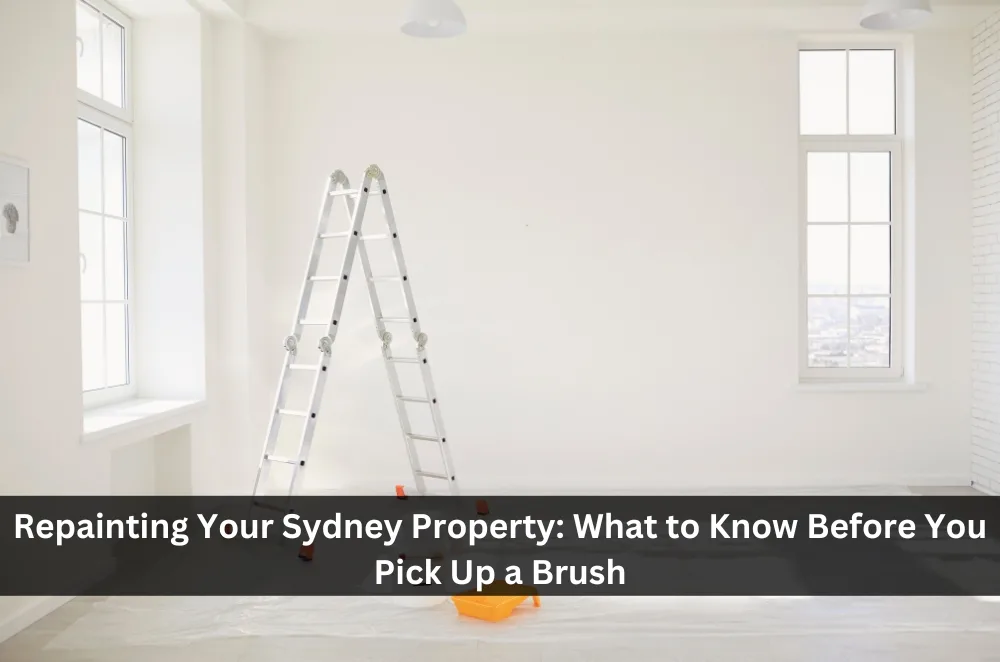
Few home improvements deliver the same instant lift as a fresh coat of paint. Whether you’re brightening a federation terrace or updating a modern office, the right colour and finish can boost kerb appeal, protect surfaces and even influence mood. Yet a successful repaint involves more than grabbing the first tin off the shelf. From Sydney’s unique coastal climate to the quirks of 1970s plasterboard, local conditions demand careful planning.
Below, we explore the factors every Sydney property owner should weigh up before sanding the first skirting board — and where professional expertise can save serious time and money.
Why Preparation Matters More Than You Think
Ask any seasoned painter and they’ll tell you: preparation accounts for at least half the job. Flaky weatherboards, hairline cracks or nicotine-stained ceilings can all sabotage a flawless finish if not treated properly. Common prep tasks include:
• Repairing minor wall damage
• Removing mould in humid bathrooms
• Deglossing old enamel trims for modern acrylics
• Masking intricate cornices and architraves
DIYers often underestimate how long this phase takes. If you’re short on time or unsure how to tackle lead-based paint in pre-1970 homes, it pays to call in trusted painting professionals in Sydney who handle preparation safely and efficiently.
Choosing Colours That Work With Sydney Light
Sydney enjoys high UV levels and bright natural light, which can make some hues appear lighter outdoors than on a colour card. Keep these pointers in mind:
• North-facing rooms benefit from cooler tones to balance warm sunlight.
• South-facing spaces, which lack direct sun, may need warmer shades to avoid looking dull.
• Exterior whites with a touch of grey resist glare better than stark, ultra-bright whites.
• Heritage suburbs often have council guidelines on façade colours; always double-check before buying paint.
When in doubt, buy sample pots and paint large swatches on different walls. View them at various times of day — Sydney’s afternoon sun can shift colours dramatically.
Interior vs Exterior: Picking the Right Formulation
Not all paint is created equal. Indoor products prioritise washability and low odour, while exterior lines focus on UV resistance, flexibility and mould inhibition. Selecting the wrong type can shorten a paint job’s lifespan.
- Interior acrylics: Fast drying, easy clean-up, ideal for walls and ceilings.
- Kitchen & bathroom paints: Contain anti-mould additives for high-moisture zones.
- Exterior acrylics: Form a tougher film to handle temperature swings and sea spray.
- Oil-based enamels: Durable for windows, doors and balustrades, although premium water-based enamels now rival their hardness with lower fumes.
If your project blurs the lines — say, painting a semi-enclosed balcony — seek product advice from the manufacturer or a licenced painter.
Timing Your Project Around Sydney’s Weather
Nothing derails an exterior paint job faster than summer storms or a surprise southerly. Optimal painting conditions sit between 10 °C and 30 °C with low humidity. Plan your schedule around:
• Autumn and spring: Generally stable temperatures with fewer downpours.
• Morning starts: Surfaces warm without harbouring overnight dew.
• Avoiding windy days: Breeze accelerates drying, increasing lap marks and paint waste.
For interiors, the calendar matters less, but open windows or run extraction fans to help water-based paints cure.
Tools That Make a Difference
Quality tools can save hours and achieve a smoother finish:
• Synthetic bristle brushes for water-based paints
• Angled sash brushes for cutting in around trim
• Microfibre rollers on extension poles to cover large ceilings
• Drop sheets — cotton absorbs drips better than plastic
• Painter’s tape rated for delicate surfaces to prevent tear-outs
While hiring sprayers seems tempting, they require experience to avoid overspray and streaking, especially in furnished homes.
When Professional Help is the Smart Choice
You don’t need a contractor for a single feature wall, but larger or more complex jobs favour expert hands. Consider engaging a professional when:
• There’s significant surface repair (e.g., sagging plaster, water damage)
• The property is double-storey or on a steep block
• You need the work completed within a tight timeframe
• You’re coordinating with other trades in a renovation schedule
• Compliance or warranty documentation is necessary for strata or insurance
Professional painters carry the right insurances, follow WHS guidelines and often secure trade discounts on premium paints — savings many homeowners overlook.
Budgeting Realistically
Paint quality, substrate condition and job complexity dictate final costs. As a rule of thumb:
• Premium exterior paints cost more upfront but can double the life of the finish.
• Extensive prep or tricky access (e.g., scaffold hire) adds labour charges.
• Colour changes from dark to light may need extra coats.
• GST, patching compounds and protective materials should be itemised in quotes.
Obtain at least two written quotes, ensuring they specify brand, number of coats and surface preparation details so you can compare apples with apples.
Maintaining Your Fresh Finish
A professional paint job can last 7–10 years inside and 10+ years outside when properly maintained. Protect your investment by:
• Wiping marks with a soft sponge and mild detergent rather than abrasive cleaners.
• Clearing gutters and trimming foliage to reduce moisture on exterior walls.
• Inspecting high-sun or salt-exposed areas annually for early signs of breakdown.
• Touching up minor chips promptly to stop moisture penetrating substrates.
Final Thoughts
Repainting is one of the most effective ways to refresh a property’s look and protect it from the elements — but getting superior, long-lasting results hinges on thorough preparation, product knowledge and good timing. While smaller touch-ups can be a satisfying weekend project, full home or commercial repaints usually merit professional attention. Armed with the insights above, you can decide when to DIY and when to bring in the experts for a finish that stands up to Sydney’s vibrant light and sometimes volatile weather.
FAQs
How often should I repaint my home’s exterior in Sydney?
Generally every 8–12 years, but sun-exposed or coastal zones may need attention sooner. Inspect paint annually for cracking, chalking or peeling.
Can I paint over old oil-based trims with water-based paint?
Yes, but you must clean, degrease and lightly sand the surface first. A quality adhesion primer helps new acrylics bond securely.
Do I need council approval to change my house colour?
Most single dwellings are exempt, but heritage-listed properties or strata buildings may require approval. Always check with your local council or body corporate.
Is low-VOC paint worth the extra cost?
Low-VOC paints reduce odours and airborne chemicals, improving indoor air quality. They’re especially beneficial for households with children, allergy sufferers or home offices used daily.