The New Face of Fitness: A 2026 Snapshot
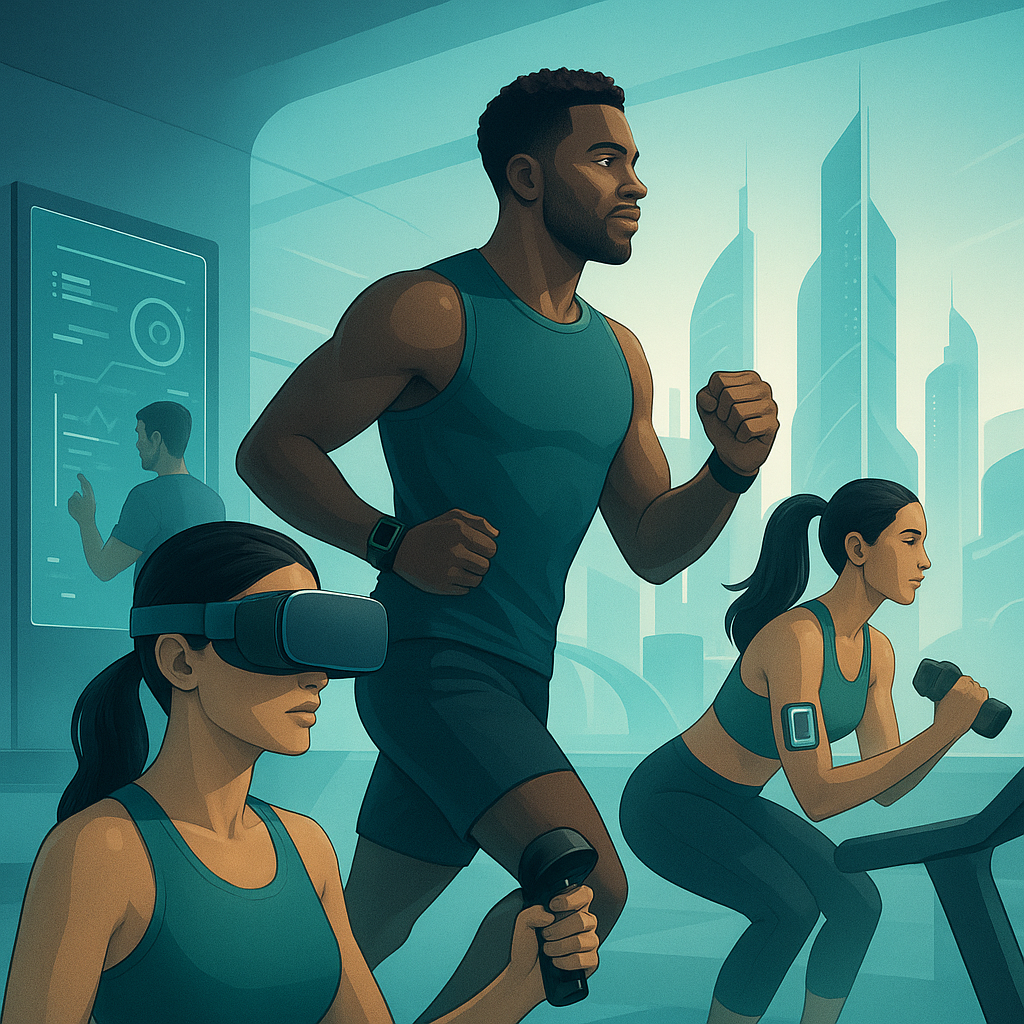
Imagine walking into a fitness center where AI-driven personal trainers adjust your workout in real time, wearable devices monitor biochemical markers as you exercise, and community-based virtual reality classes connect you globally. This is no distant future fantasy—it is the reality unfolding in 2026. The global fitness industry, valued at over $150 billion, is undergoing a seismic transformation that goes beyond traditional gym workouts and diet plans.
Recent surveys underline this shift: 68% of adults worldwide now integrate technology into their fitness routines, and innovative approaches to exercise and wellness have emerged as key drivers of sustained health. What fuels this evolution is the growing understanding that fitness is not merely about physical appearance but about holistic vitality, longevity, and mental well-being.
“Fitness in 2026 is an integrative, personalized journey informed by data and human connection, not just repetitive exercise,” says Dr. Helena Marks, leading exercise physiologist and wellness strategist.
To appreciate how we arrived here and what lies ahead, it is essential to trace the trajectory of fitness from its early days to the sophisticated landscape of today.
Tracing the Evolution: How Fitness Became a Science-Backed Lifestyle
Fitness, historically, was often perceived as a physical endeavor limited to athletes or military personnel. The 20th century introduced more public awareness with the popularization of jogging, calisthenics, and aerobic exercise in the 1960s and 1970s. However, these efforts were largely generic, focusing on endurance and appearance rather than individualized health outcomes.
The turn of the millennium marked a pivotal change. The rise of wearable fitness trackers, starting with early pedometers and accelerometers, initiated a data-driven approach to exercise. Fitness apps exploded in popularity throughout the 2010s, allowing users to monitor heart rate, calories burned, and steps taken. Yet, these devices had limitations, often failing to capture nuanced health indicators or to motivate sustained behavioral change.
Meanwhile, scientific research began to elucidate the complex interplay between physical activity, mental health, and chronic disease prevention. Landmark studies from the World Health Organization and the American College of Sports Medicine revealed that moderate regular activity reduced risks of cardiovascular disease, diabetes, depression, and cognitive decline.
By the late 2010s and early 2020s, fitness was no longer just a fad or a category of exercise routines but a fundamental pillar of preventive medicine. This shift was accelerated by the COVID-19 pandemic, which highlighted the importance of immune health and physical resilience. Remote fitness solutions and virtual coaching became widespread, setting the stage for today’s hybrid models of wellness.
Data-Driven Fitness: Decoding the Numbers Behind the Movement
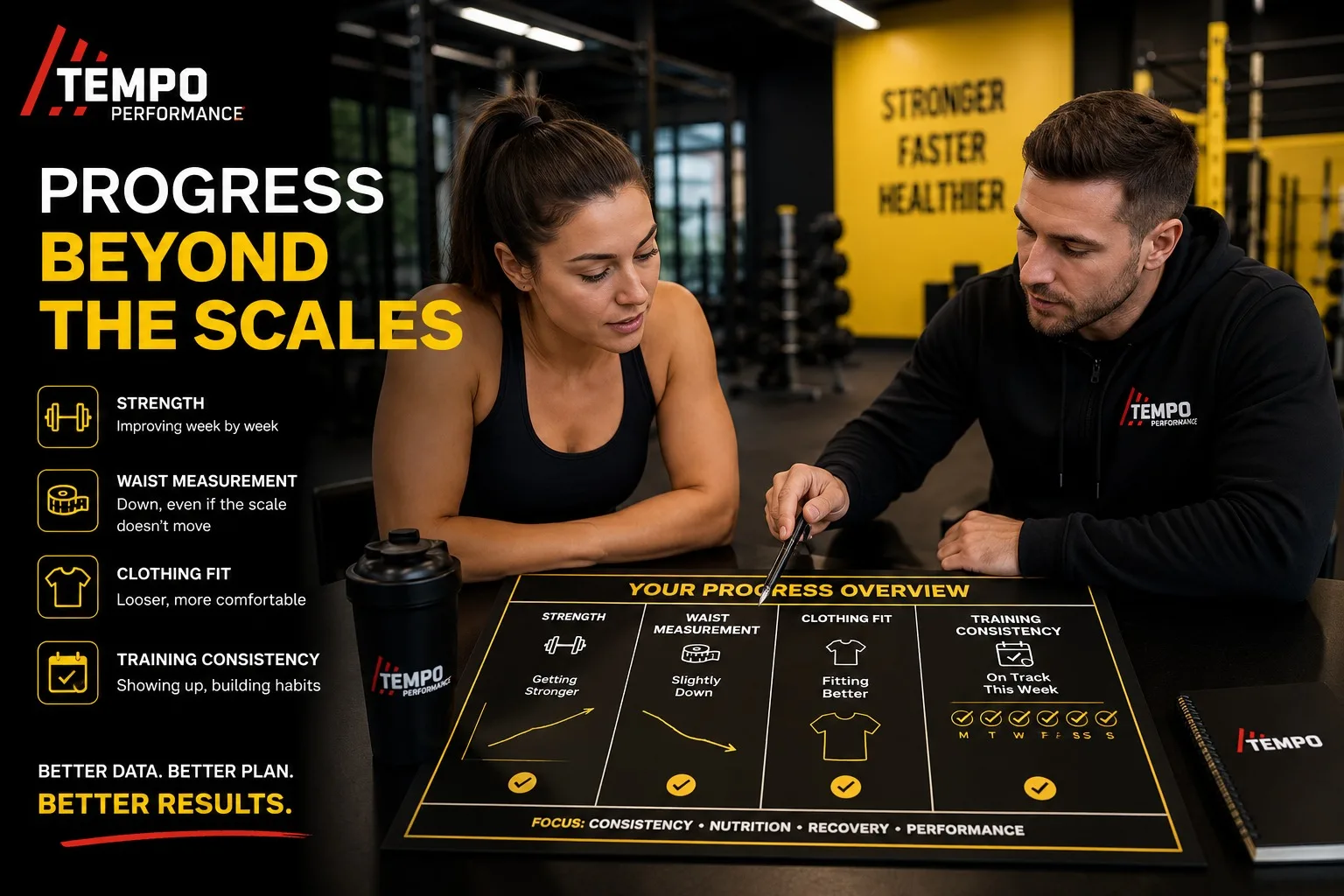
In 2026, the fitness industry is underpinned by a rich ecosystem of data analytics and biometrics. Advanced wearables now measure metrics such as VO2 max, muscle oxygenation, blood glucose levels, sleep quality, and even stress biomarkers. These data points empower users and trainers to tailor workouts precisely to individual physiological states rather than relying on generic guidelines.
Consider the following core trends defining fitness outcomes today:
- Personalized Training Regimens: Based on comprehensive health data, including genetics and lifestyle factors, fitness programs are optimized for maximum efficacy and injury prevention.
- Integration of Mental and Physical Health: Mindfulness, meditation, and cognitive training are incorporated alongside physical exercise to address holistic wellness.
- Community Engagement: Social fitness platforms promote accountability and motivation by fostering peer support and competition.
- Adaptive Recovery Protocols: Sophisticated recovery techniques such as cryotherapy, neurostimulation, and sleep coaching are now standard components of fitness plans.
- Sustainability and Longevity Focus: Exercise is framed as a lifelong journey aimed at preserving function and quality of life, not short-term aesthetics.
Statista data shows that fitness tech adoption has increased by 45% between 2022 and 2026, with users spending an average of 150 minutes weekly on digitally-enhanced workouts. This is supported by a rise in health-conscious spending, with global wellness tourism—which includes fitness retreats and holistic health experiences—growing by 13% annually.
“The quantification of fitness has unlocked new avenues for personalized health, making exercise safer and more effective than ever before,” notes Dr. Michael Torres, chief scientist at FitTech Innovations.
2026 Fitness Innovations: Where Technology Meets Wellness
One cannot discuss fitness today without highlighting the role of cutting-edge technology. The past four years have seen the mainstreaming of several breakthrough innovations:
- AI-Powered Virtual Coaches: These systems analyze real-time data to adjust intensity, form, and duration instantly, delivering a customized experience akin to a personal trainer but accessible globally.
- Augmented and Virtual Reality Workouts: Immersive environments transform exercise into engaging adventures, increasing adherence and enjoyment.
- Biofeedback-Enabled Equipment: Machines equipped with sensors provide users immediate feedback on muscle activation, posture, and fatigue levels.
- Genomic Fitness Profiling: Genetic testing informs predispositions to endurance, strength, or injury risk, allowing for targeted training plans.
- Holistic Wellness Platforms: Apps now integrate nutrition, sleep, mental health, and fitness tracking into a single ecosystem, promoting balanced lifestyles.
Organizations such as the Global Fitness Alliance have reported that over 60% of gym facilities worldwide have incorporated at least one form of AI or AR technology by mid-2026. This integration has translated into measurable improvements in client retention and results.
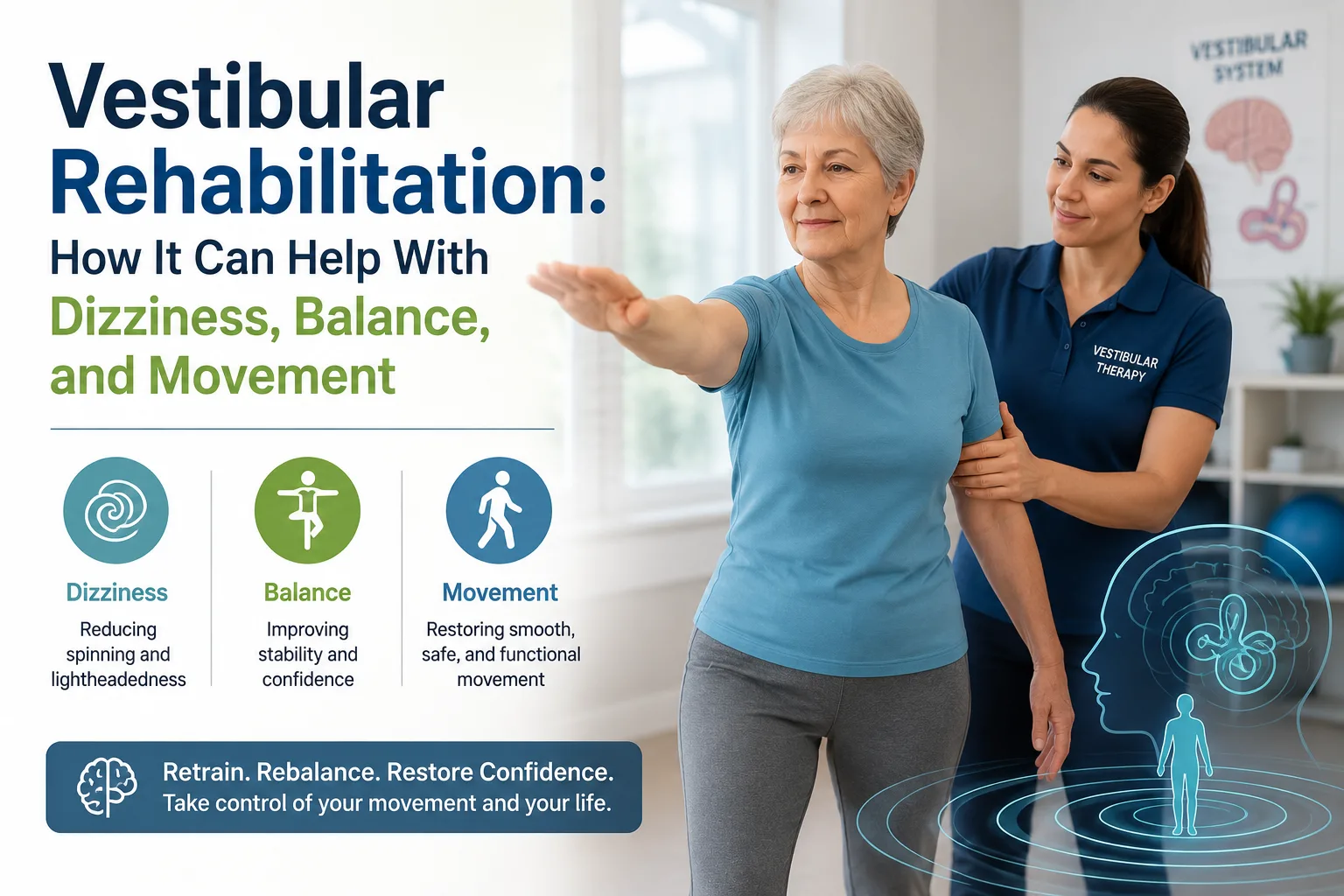
Moreover, fitness is increasingly accessible to diverse populations, with adaptive programs designed for older adults, individuals with disabilities, and chronic conditions. This inclusivity is a direct consequence of technological advancement and growing awareness of fitness as a human right, not a luxury.
The technological shift also influences corporate wellness programs. Companies report productivity gains and reduced absenteeism by embedding fitness initiatives into employee health strategies, often leveraging digital platforms to track participation and outcomes.
Voices from the Field: Expert Insights on the Fitness Revolution
The transformation of fitness has attracted varied expert perspectives. Dr. Lisa Chen, a sports medicine physician, emphasizes the importance of balancing enthusiasm for innovation with caution:
“While technology offers incredible tools, human factors like motivation, behavior change, and social support remain paramount. Technology should augment, not replace, these essential elements.”
Fitness entrepreneur and author Marcus Elridge highlights the cultural shifts underpinning the new era:
“Today’s fitness consumers demand authenticity and community. They want programs that respect their individuality and values. The future is about meaningful engagement, not just metrics.”
Industry analysts note that the pandemic accelerated digital adoption, but the ongoing challenge is reducing disparities in access. Urban centers lead in tech-enabled fitness, but rural and underserved areas still lag, prompting calls for equitable infrastructure investment.
Meanwhile, public health officials advocate for integration of fitness into broader healthcare systems. Pilot programs in countries like Sweden and Singapore demonstrate that prescribing exercise as medicine can reduce healthcare costs and improve population health outcomes.
Looking Ahead: What Fitness Will Mean Tomorrow
The trajectory of fitness points toward an increasingly seamless integration with daily life and health management. Experts predict several key developments shaping the next decade:
- Hyper-Personalization: Advances in AI and genomics will enable fitness programs that evolve continuously with an individual’s changing biology and goals.
- Expanded Preventive Health Role: Fitness will be embedded in healthcare protocols to prevent and manage chronic diseases systematically.
- Greater Focus on Mental and Social Fitness: Emotional resilience and social connectedness will be recognized as core fitness dimensions alongside physical performance.
- Environmental Sustainability: Eco-conscious fitness practices and facilities minimizing carbon footprint will become standard.
- Global Digital Communities: Virtual platforms will foster worldwide fitness cultures, breaking down geographic and cultural barriers.
For individuals starting or continuing their fitness journey, embracing both technology and timeless principles of consistency, balance, and enjoyment is key. Resources like Starting Strong: A Practical Blueprint for Launching Your Fitness Journey provide actionable frameworks to build sustainable habits.
Moreover, understanding the holistic nature of fitness—as detailed in Why Fitness Is More Than Exercise: The Holistic Shift Transforming Health—helps individuals prioritize mental and social well-being alongside physical goals.
As fitness continues to evolve, staying informed and adaptable is essential to harness its full benefits for lifelong health.
“Fitness is no longer a destination but a dynamic, lifelong process intertwined with every facet of well-being,” concludes Dr. Marks.