
Subtitle: Understanding the Differences Between Rubber, Silicone, and PVC Labels for Modern Apparel and Product Branding
Labels are an important part of product identification, branding, and design. They provide useful information while adding a distinctive appearance to clothing, accessories, footwear, bags, and other manufactured products. Rubber & Silicone PVC Labels are widely used in modern product design because they offer different textures, shapes, finishes, and durability characteristics compared with traditional fabric labels.
Although these materials may look similar at first, rubber, silicone, and PVC have different properties and applications. Understanding their differences can help manufacturers, designers, and businesses choose the right label material for their products. Factors such as flexibility, appearance, exposure to moisture, manufacturing requirements, and intended use should all be considered before making a decision.
What Are Rubber, Silicone, and PVC Labels?
Rubber, silicone, and PVC labels are decorative or identification labels made using flexible materials. They can be manufactured in different shapes, sizes, thicknesses, and colors to match a product's design.
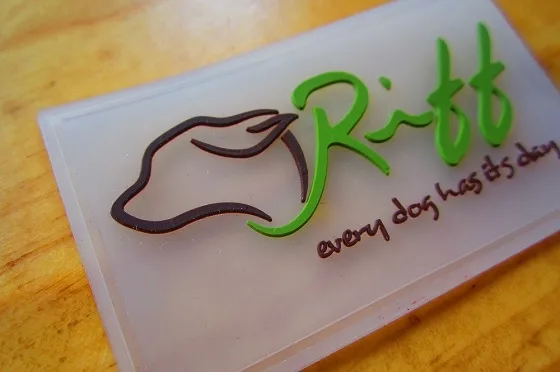
Unlike woven or printed fabric labels, these labels often have a raised surface, textured appearance, or three-dimensional finish. They are commonly attached to garments, backpacks, shoes, sportswear, outdoor equipment, and accessories.
Rubber Labels
Rubber labels are flexible components designed to provide a distinctive textured appearance. They can feature raised lettering, recessed details, and custom shapes.
Their flexible construction makes them suitable for products that require a durable decorative element. Depending on the material formulation, rubber-style labels can be designed for different environmental and handling conditions.
Silicone Labels
Silicone labels are made from silicone-based materials known for flexibility, softness, and resistance to moisture. They are frequently used in sportswear, activewear, footwear, and accessories.
Their smooth texture and flexible structure make them suitable for applications where comfort and movement are important. Silicone can also be produced in different colors and surface finishes.
PVC Labels
PVC, or polyvinyl chloride, is a synthetic plastic material used in various labeling and manufacturing applications. PVC labels are known for their ability to hold detailed designs, defined edges, and different levels of thickness.
They can include raised logos, multiple colors, and textured surfaces, making them useful for apparel branding, promotional products, bags, and footwear.
Key Features of Rubber, Silicone, and PVC Labels
Each material offers characteristics that make it appropriate for particular applications. The right choice depends on the product's purpose and expected usage.
Flexibility and Texture
Flexibility is an important consideration, especially for clothing and accessories that move or bend during regular use.
Silicone is generally soft and flexible, while PVC can be manufactured in different levels of flexibility depending on its formulation. Rubber-based materials also vary according to their composition.
Water and Moisture Resistance
Moisture resistance matters for products used outdoors, during exercise, or in environments where frequent washing is expected.
Silicone is naturally water-resistant, while PVC formulations can also offer moisture resistance. Rubber materials have varying levels of resistance depending on their composition and manufacturing process.
Appearance and Design Options
These materials support several design possibilities, including:
- Raised lettering and logos
- Recessed patterns and symbols
- Multiple color combinations
- Custom shapes and outlines
- Matte and glossy finishes
- Textured and smooth surfaces
- Different thickness levels
These options allow designers to create labels that complement a product's overall appearance.
Comparison of Rubber, Silicone, and PVC Labels
Choosing between these materials becomes easier when their general characteristics are compared.
| Feature | Rubber Labels | Silicone Labels | PVC Labels |
|---|---|---|---|
| Texture | Flexible and textured | Soft and smooth | Smooth or textured |
| Flexibility | Depends on formulation | Generally high | Varies by formulation |
| Water resistance | Material-dependent | Generally high | Generally good |
| Design options | Raised and recessed details | Detailed molded designs | Multiple colors and raised designs |
| Common applications | Apparel and accessories | Sportswear and footwear | Bags, clothing, and accessories |
| Appearance | Textured finish | Soft, flexible finish | Defined and structured finish |
The comparison describes general material characteristics. Actual performance depends on the grade, formulation, thickness, and manufacturing quality.
Common Applications of Rubber and Silicone PVC Labels
These labels are used across different industries because they can combine identification with decorative design.
Clothing and Fashion Accessories
Apparel manufacturers use flexible labels on jackets, hoodies, jeans, shirts, and other garments. They can display logos, symbols, brand names, or decorative elements.
Their placement may vary depending on the garment design. Common locations include sleeves, chest areas, waistbands, and exterior pockets.
Bags and Backpacks
Backpacks, travel bags, gym bags, and outdoor accessories often use molded labels to create a recognizable visual detail.
PVC labels are particularly useful for designs requiring defined shapes and raised lettering. Silicone labels can be considered when a softer and more flexible finish is preferred.
Sportswear and Activewear
Sportswear requires materials that can accommodate movement and repeated use. Silicone labels are commonly considered for activewear because of their flexibility and soft feel.
They can be applied to leggings, training shirts, athletic jackets, and other performance garments, depending on the attachment method.
How Are These Labels Manufactured?
The manufacturing process depends on the selected material and the complexity of the design. However, most custom molded labels follow several general stages.
Design Preparation
The process begins with a digital design that defines the label's dimensions, shape, colors, lettering, and surface details.
Designers should consider how small elements will appear after production. Very thin lines and tiny lettering may require adjustments to maintain clarity.
Mold Development
A mold is prepared according to the approved design. It determines the label's shape, thickness, raised elements, and recessed details.
Accurate mold preparation is important because it influences the final appearance and consistency of the labels.
Material Formation
The selected material is processed and shaped using an appropriate manufacturing method. Color and surface details are incorporated according to the design requirements.
Finishing and Quality Inspection
After formation, labels may undergo trimming, finishing, and inspection. Quality checks can include measurements, color consistency, surface appearance, flexibility, and attachment suitability.
Actionable Tips for Choosing the Right Label Material
Before ordering custom labels, consider the following practical points:
- Identify the application: Determine whether the label will be used on clothing, footwear, bags, or outdoor equipment.
- Consider flexibility: Choose a material that works with the movement and structure of the product.
- Check moisture exposure: Consider whether the product will experience rain, sweat, or frequent washing.
- Review the design: Make sure lettering, logos, and small details can be reproduced clearly.
- Select the finish: Decide whether a matte, glossy, smooth, or textured surface is appropriate.
- Confirm attachment requirements: Check whether sewing, heat application, adhesive, or another attachment method is suitable.
- Request samples: Examine material thickness, color, flexibility, and overall finish before approving a large order.
- Ask about testing: Confirm whether the manufacturer can provide relevant durability, washing, or adhesion test information.
These steps can reduce design problems and help ensure that the finished label is appropriate for its intended purpose.
People Also Ask
What is the difference between silicone and PVC labels?
Silicone labels are generally softer and more flexible, while PVC labels can provide a more structured feel and defined molded details. Both materials offer different design and application possibilities.
Are PVC labels suitable for clothing?
Yes. PVC labels are used on jackets, hoodies, sportswear, bags, and other apparel products. Their suitability depends on the garment material, label construction, and attachment method.
Are silicone labels waterproof?
Silicone is naturally water-resistant and performs well in many moisture-exposed applications. However, the complete label's performance also depends on its construction and attachment.
Can rubber labels be customized?
Yes. Rubber-style labels can be produced in different shapes, colors, thicknesses, and textures. Designs may include raised logos, recessed lettering, and custom patterns.
Which label material is best for sportswear?
Silicone is often considered for sportswear because of its soft texture and flexibility. However, the best material depends on the garment, intended use, comfort requirements, and manufacturing specifications.
Frequently Asked Questions
Do rubber and PVC labels fade over time?
Color retention depends on material quality, pigments, environmental exposure, and maintenance. Properly manufactured labels can maintain their appearance with suitable care.
Can these labels be made in different colors?
Yes. Rubber, silicone, and PVC labels can be manufactured in various colors. Some designs can also combine multiple colors and surface effects.
Are silicone labels suitable for sensitive skin?
Silicone is commonly used in applications requiring a soft material, but suitability depends on the specific formulation and intended contact. Product manufacturers should request relevant material information when skin contact is expected.
How are molded labels attached to garments?
Attachment methods may include sewing, heat application, or adhesives, depending on the label design and garment material. The selected method should be tested for durability and compatibility.
Can these labels be used for outdoor products?
Yes. Certain rubber, silicone, and PVC formulations are suitable for outdoor applications. Buyers should confirm resistance to sunlight, temperature changes, moisture, and other environmental conditions.
Rubber, silicone, and PVC labels offer different possibilities for product identification and decorative branding. Each material has its own characteristics, making it important to consider flexibility, appearance, moisture exposure, durability, and attachment requirements before selecting one.
Understanding Rubber & Silicone PVC Labels can help apparel manufacturers, product designers, and accessory businesses make more informed material decisions. Comparing samples, reviewing manufacturing specifications, and testing the finished label on the intended product are practical ways to achieve a suitable result.
Author Bio: This article is prepared with insights from BCI Label Corporation, covering material selection, custom label applications, and modern apparel labeling considerations.