Purchasing a home is a significant investment, and discovering a history of water damage during the buying process can raise important questions about the property's condition. Previous roof leaks, plumbing failures, bathroom water intrusion, foundation moisture, and flooding may leave behind damage that is not always visible during a standard property walkthrough.
Even when a seller has repaired the original leak or replaced damaged materials, moisture-related concerns may remain inside wall cavities, beneath flooring, around window assemblies, or within other concealed building areas.
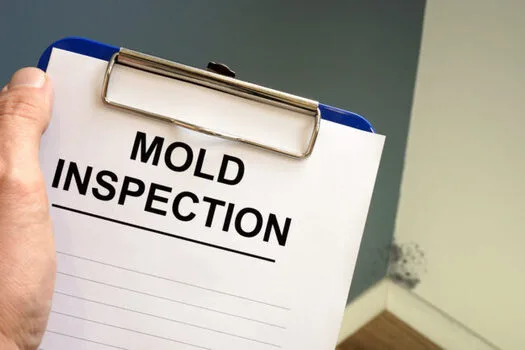
For prospective homebuyers, arranging a professional mold inspection in San Bruno before purchasing a home with previous water damage can help identify potential moisture problems, investigate suspected mold growth, and provide additional information before making a final purchasing decision.
Bay Area Mold Pros provides independent mold inspection, testing, and laboratory analysis for residential properties throughout San Bruno and the greater San Francisco Bay Area.
Why Previous Water Damage Matters When Buying a Home
A property may look clean and well-maintained while still having a history of moisture intrusion.
Fresh paint, new flooring, replacement drywall, and renovated bathrooms can improve a home's appearance without necessarily establishing whether the original moisture problem was completely corrected.
Previous water damage may affect:
- Drywall and interior wall assemblies.
- Wooden framing and structural components.
- Subflooring and flooring materials.
- Insulation inside wall and ceiling cavities.
- Window frames and exterior wall assemblies.
- Bathroom and kitchen cabinetry.
- Attics and crawlspaces.
- Areas surrounding plumbing and HVAC systems.
When building materials remain damp for extended periods, conditions may develop that support mold growth.
For homebuyers, understanding the property's water damage history is important because the cost and complexity of addressing concealed moisture problems can differ significantly from repairing visible cosmetic damage.
Common Signs of Previous Water Damage in San Bruno Homes
Before purchasing a property, buyers should pay attention to visible conditions that may indicate previous or continuing moisture problems.
1. Water Stains on Ceilings and Walls
Brown or yellow discoloration may indicate previous water intrusion from roofing, plumbing, or upper-floor bathrooms.
Even if the surface has been repainted, recurring staining or deteriorating paint may suggest that moisture conditions require further investigation.
2. Musty Odors in Interior Rooms
Persistent earthy or musty odors may indicate damp building materials or possible concealed mold growth.
Pay particular attention to:
- Bedrooms with exterior-facing walls.
- Closets and storage spaces.
- Bathrooms and laundry rooms.
- Areas beneath staircases.
- Rooms with limited ventilation.
- Spaces near previously repaired plumbing.
A musty odor should not be dismissed simply because no visible mold is present.
3. Warped Flooring and Damaged Baseboards
Previous water exposure can affect laminate, hardwood, engineered wood, carpet padding, and subfloor materials.
Potential warning signs include swollen flooring edges, loose planks, discoloration, deteriorating baseboards, and uneven floor surfaces.
4. Fresh Paint or Recently Replaced Materials
Recent renovations are not automatically a warning sign. However, buyers should understand why certain materials were replaced.
For example, recently installed drywall in a bathroom or bedroom may have been part of a previous water damage repair.
Requesting documentation about the original problem and the work performed can help establish whether additional investigation is necessary.
5. Moisture in Crawlspaces and Attics
Crawlspaces and attics can reveal moisture-related conditions that are not apparent inside living areas.
Potential concerns include damp insulation, water staining, roof leaks, plumbing moisture, deteriorating wood, and musty odors.
An inspection of accessible areas can help identify conditions that warrant further evaluation.
Common Sources of Previous Water Damage in Residential Properties
Understanding where the original moisture came from is essential when evaluating a home before purchase.
Roof Leaks and Attic Water Intrusion
Roofing problems can allow water to enter attic spaces, ceiling assemblies, and upper-level walls.
Previous leaks may leave behind damaged insulation, stained wood, and moisture-affected drywall.
Homebuyers should consider whether the seller has documentation showing that the roofing issue was repaired and the affected materials were appropriately addressed.
Plumbing Leaks Behind Walls
Water supply lines, drain connections, bathroom fixtures, and kitchen plumbing can create hidden moisture problems.
A repaired pipe does not automatically establish that surrounding building materials were dried or evaluated.
If the property has a history of repeated plumbing leaks, additional inspection may be appropriate.
Bathroom and Shower Water Damage
Bathrooms are common locations for moisture intrusion because of frequent water use and plumbing connections.
Potential problem areas include shower surrounds, damaged waterproofing assemblies, toilet connections, vanity cabinets, and flooring beneath fixtures.
Water can migrate into adjacent walls and flooring assemblies before visible damage appears.
Window and Exterior Wall Water Intrusion
Damaged window seals, deteriorated flashing, exterior cracks, and drainage problems may allow water to enter wall assemblies.
This type of moisture intrusion can be difficult to identify because the visible damage may develop some distance from the original entry point.
Foundation and Crawlspace Moisture
Poor drainage, plumbing leaks, and water accumulation near foundations may contribute to damp crawlspaces and moisture migration.
Properties with accessible crawlspaces should be evaluated for visible water intrusion, damp materials, and other moisture-related conditions.
Why a Standard Home Inspection May Not Be Enough
A general home inspection is an important part of the purchasing process, but it may not answer every question about previous water damage or suspected mold contamination.
A standard inspection generally focuses on accessible building components and observable property conditions.
It may not include specialized investigation of:
- Concealed wall cavities.
- Hidden moisture beneath flooring.
- Suspected mold behind cabinets.
- Moisture migration within building assemblies.
- Specific indoor air quality concerns.
- Laboratory analysis of collected samples.
When a property has a documented history of water intrusion, buyers may benefit from arranging an additional evaluation focused specifically on moisture and suspected mold conditions.
An independent mold inspection can complement the general home inspection by examining areas associated with previous water damage.
How Professional Mold Inspection Helps Homebuyers
A professional mold inspection should begin with an understanding of the property's history and current building conditions.
Bay Area Mold Pros evaluates suspected moisture problems and determines whether additional testing or investigation may be appropriate.
1. Review Previous Water Damage and Repair Documentation
The inspection process can begin with a review of available information about the property's history.
Relevant documents may include:
- Seller disclosures.
- Previous home inspection reports.
- Plumbing repair invoices.
- Roof repair documentation.
- Water damage restoration records.
- Mold remediation reports.
- Previous moisture inspection findings.
- Photographs of affected areas before repairs.
This information helps identify locations that may require closer attention.
2. Visual Inspection of Previously Affected Areas
The inspector evaluates accessible areas associated with previous water damage.
The assessment may include walls, ceilings, flooring, window assemblies, bathrooms, kitchens, crawlspaces, and attics, depending on accessibility and the inspection scope.
Observations may include visible discoloration, deteriorating materials, suspected mold growth, musty odors, and signs of continuing water intrusion.
3. Moisture Meter Measurements
Moisture meters can help evaluate selected building materials and identify areas with elevated moisture readings.
Measurements may be appropriate around:
- Previously repaired plumbing locations.
- Water-stained drywall.
- Baseboards and flooring.
- Exterior-facing walls.
- Bathroom and kitchen fixtures.
- Accessible wood framing.
- Areas beneath previous roof leaks.
Moisture readings should be interpreted according to the material, instrument, and surrounding conditions.
A high reading does not automatically establish mold growth, but it may indicate that additional investigation is necessary.
4. Thermal Imaging for Potential Hidden Moisture Patterns
Thermal imaging may help identify temperature differences across walls, ceilings, and other building surfaces.
When used with moisture measurements, it can help direct attention toward areas that may require additional evaluation.
For example, temperature differences around a previously repaired ceiling may justify closer examination if the property's water damage history suggests possible concealed moisture.
Thermal imaging does not directly detect mold or independently confirm moisture. It is an investigative tool rather than a mold detection test.
5. Additional Investigation of Concealed Building Areas
If the inspection identifies suspicious conditions, additional investigation may be appropriate.
Depending on the property, this may involve examining accessible wall cavities, crawlspaces, attic materials, flooring edges, or other locations associated with previous water damage.
In some cases, invasive investigation may be necessary to evaluate concealed materials. Any such work should be discussed and authorized by the appropriate property owner.
When Should Homebuyers Consider Mold Testing?
Mold testing may provide additional information when there are specific concerns about suspected mold contamination that cannot be adequately addressed through visual and moisture assessment alone.
However, laboratory testing is not automatically necessary for every property with a history of water damage.
For example, if visible mold or clear moisture damage is already present, identifying the moisture source and determining the condition of affected materials may be more important than collecting samples.
When appropriate, professional testing may include:
Indoor air sampling: Air samples may be collected from selected rooms to evaluate airborne mold particles during the sampling period. An outdoor reference sample may provide additional context.
Surface sampling: When suspected mold growth is visible on a particular material, surface sampling may provide information about that sampled location.
Laboratory analysis: Collected samples may be submitted to an appropriate laboratory for analysis and interpretation.
Testing has limitations. A normal air sample does not guarantee that concealed mold growth is absent, and there are no universally established federal numerical limits for indoor airborne mold spores.
Sampling should be selected according to the property's actual inspection findings and assessment objectives.
Questions Homebuyers Should Ask About Previous Water Damage
Before completing a home purchase, buyers should request available information about the property's moisture and repair history.
Useful questions include:
- What caused the original water damage?
- When did the leak or water intrusion occur?
- Was the original moisture source completely repaired?
- Which building materials were removed or replaced?
- Was professional water damage restoration performed?
- Were moisture measurements documented after the repairs?
- Was mold inspection or testing previously conducted?
- Are previous remediation and laboratory reports available?
- Have similar moisture problems occurred again?
- Were any concealed areas left inaccessible during repairs?
The answers may help determine whether additional inspection is appropriate before the purchase is finalized.
Understanding the Importance of an Independent Mold Inspection
When purchasing a property with previous water damage, buyers may receive information from sellers, contractors, restoration companies, and general property inspectors.
An independent mold inspection provides a separate evaluation focused on the property's current moisture conditions and suspected mold concerns.
This can be particularly valuable when previous remediation or building repairs were completed without a documented follow-up assessment.
Bay Area Mold Pros does not perform mold remediation. The company focuses on independent mold inspection, testing, and laboratory analysis rather than selling cleanup or removal services.
This distinction helps homebuyers obtain an assessment that is separate from the contractor responsible for performing remediation work.
What Should a Pre-Purchase Mold Inspection Report Include?
A useful inspection report should clearly document the property's observed conditions and identify any limitations.
Depending on the inspection scope, documentation may include:
- Property information and inspection objectives.
- Review of available previous water damage records.
- Photographs of relevant building conditions.
- Locations of visible water staining or deterioration.
- Moisture readings and measurement locations.
- Suspected areas requiring additional investigation.
- Air or surface sampling locations, when applicable.
- Laboratory analysis results.
- Areas that were inaccessible during inspection.
- Recommendations for appropriate next steps.
The report should distinguish between observed moisture conditions, suspected mold growth, confirmed findings at sampled locations, and issues that require additional investigation.
It should not guarantee that every concealed defect has been identified or that the property is completely free of mold.
Why Choose Bay Area Mold Pros for Pre-Purchase Mold Inspection in San Bruno?
Buying a home with previous water damage requires careful consideration of both visible repairs and potential concealed moisture concerns.
Bay Area Mold Pros provides independent mold inspection, indoor air testing, and laboratory analysis for residential and commercial properties throughout the San Francisco Bay Area.
Certified Mold Inspector Rick Bruce is a licensed general contractor with more than 40 years of experience building and remodeling homes throughout the Bay Area.
His construction background provides valuable insight into:
- Building materials and construction assemblies.
- Water intrusion and moisture migration.
- Plumbing and roofing-related damage.
- Potential hidden moisture conditions.
- Areas that may require additional mold investigation.
Bay Area Mold Pros helps prospective buyers understand the property's inspection findings and make more informed decisions about potential moisture and mold concerns.
The company serves San Bruno, San Mateo County, San Francisco, Santa Clara, Marin, Alameda, and Contra Costa counties.
Written reports explain relevant observations, testing results, and recommendations for further investigation when necessary.
Schedule a San Bruno Mold Inspection Before Purchasing a Home
Previous water damage should be investigated carefully before completing a home purchase. A property that appears freshly renovated may still have unresolved moisture concerns if the original source of water intrusion was not adequately addressed.
If you are considering purchasing a home in San Bruno with a history of roof leaks, plumbing failures, flooding, bathroom water damage, or previous mold remediation, an independent professional mold inspection can help you better understand the property's current condition.
Contact Bay Area Mold Pros to arrange a pre-purchase mold inspection with Certified Mold Inspector Rick Bruce.
Call (866) 982-4257 or request an inspection online: Professional Mold Inspection, Moisture Assessment, Indoor Air Testing & Laboratory Analysis serving San Bruno and surrounding San Francisco communities.
Written inspection reports with recommendations are available for $595, with no hidden fees or extra costs.
Arrange an independent mold assessment during your home inspection contingency period and make a more informed property purchasing decision.