Travel can be measured by the places visited, but memories often come from the smaller details: a pattern in a doorway, the colours of a market, a craft technique or a conversation about local history. A train journey through Rajasthan offers travellers a chance to think about the landscape and heritage beyond a list of stops.
Guests considering a Palace on Wheels journey through Rajasthan can make the experience more personal by travelling with curiosity. The current itinerary determines the destinations and schedule, so check official information before making assumptions about what a particular departure includes.
Look closely at architecture
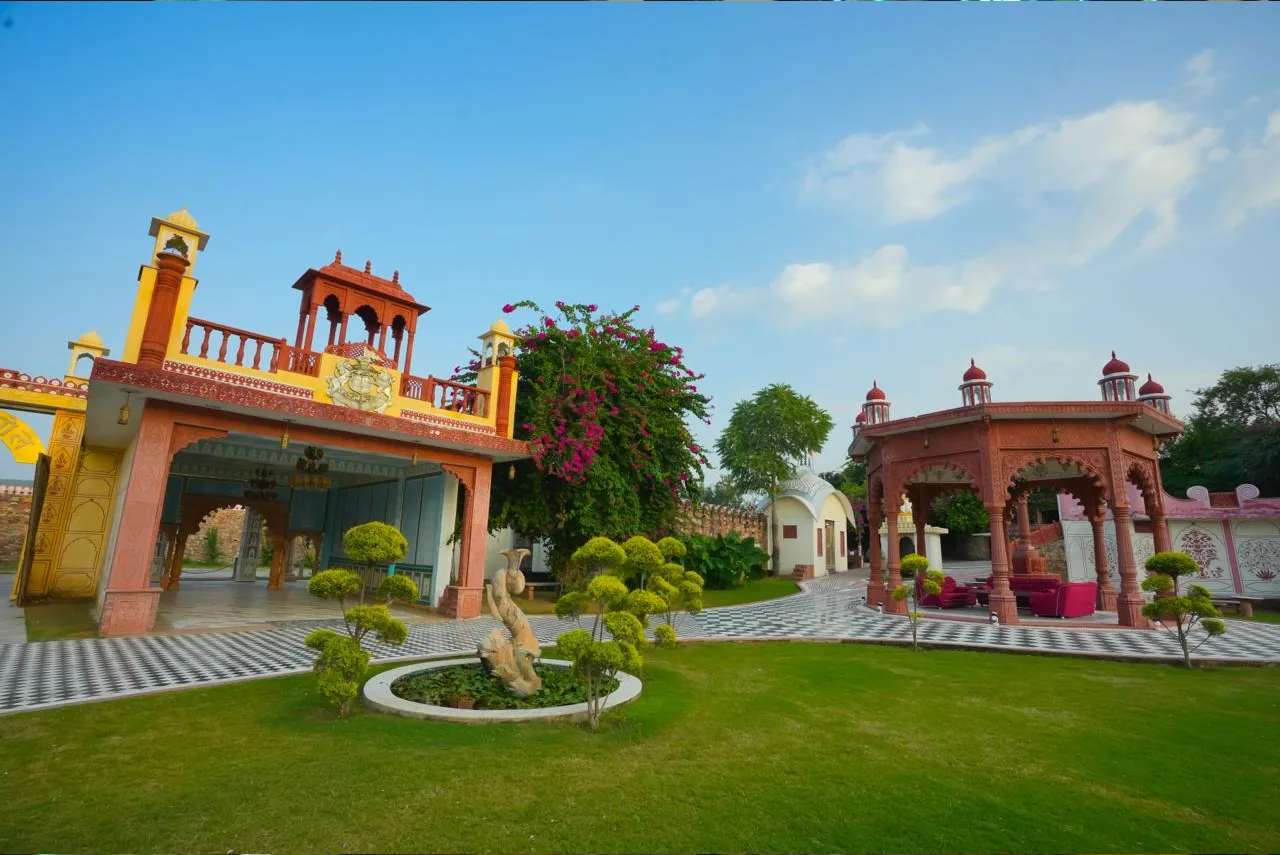
Rajasthan’s buildings reflect different eras, materials and regional influences. Forts, palaces, temples, havelis and public spaces can each tell a different story. Rather than trying to remember every date, notice how a building is put together: its entrances, courtyards, windows, carvings and relationship to the surrounding landscape.
Before the journey, choose one or two architectural features to look for. You might be interested in stonework, painted surfaces, lattice screens or the way a space manages light and shade. This gives you a focus without turning the visit into a research assignment.
If a guide explains a feature, listen for the context and ask respectful questions when appropriate. A place’s story may include layers of history that cannot be captured in one caption or photograph.
Notice craft and everyday design
Craft traditions are often visible in textiles, decorative objects, jewellery, paintings and household items. Look at the materials and techniques as well as the finished product. A woven pattern, repeated motif or hand-painted surface can reveal choices shaped by local resources and skills.
If you are interested in buying a craft item, take time to understand what you are purchasing. Ask about materials, care instructions and whether the item is handmade or produced through another method. Be considerate when photographing artisans or their work, and ask permission before taking close-up images of people.
Travelling with curiosity does not require making a purchase. Sometimes observing the process and learning how a craft is used in daily life makes the experience more meaningful.
Pay attention to changing landscapes
A train journey makes transitions visible. As the train moves, travellers can observe how the landscape shifts, how settlements relate to open land and how the colours change through the day. These views provide a different perspective from travelling by road, where attention is often focused on traffic and navigation.
Keep a notebook or record a few impressions on your phone. Instead of trying to document everything, write down one detail from each day: a sound, a colour, a building or a moment that stayed with you. This can help you remember the journey in a way that a large collection of similar photographs may not.
Follow all instructions about train access and safety while observing the landscape. Use designated areas and respect staff guidance.
Ask better questions
Preparation can make a destination visit more rewarding. Read a little about the places listed in the current itinerary, then prepare questions rather than memorising a long guidebook. You might ask how a local structure was used, how a craft technique developed or what a regional symbol means.
Be open to answers that complicate what you thought you knew. Heritage is not always a single story, and local perspectives may differ. Listening carefully can offer a more respectful understanding of the place.
The train’s staff and official excursion guides can clarify what is included in the current journey. If you are interested in a subject that is not part of the planned visit, ask whether there is time or an approved way to explore it.
Photograph with consideration
Photography can help preserve travel memories, but it should not interrupt the experience or disregard other people. Check the rules at each site, especially if flash, tripods or photography of specific areas may be restricted. Ask before photographing individuals, artisans or private spaces.
Think about what you want each image to remember. A single wide view can show the setting, while a detail can preserve a pattern or texture. You do not need to photograph every room or activity to make the journey memorable.
If you post images online, add context where you can. A short note about what you learned may be more helpful to others than a generic description. Avoid stating details about a site unless you have verified them.
Let the train be part of the story
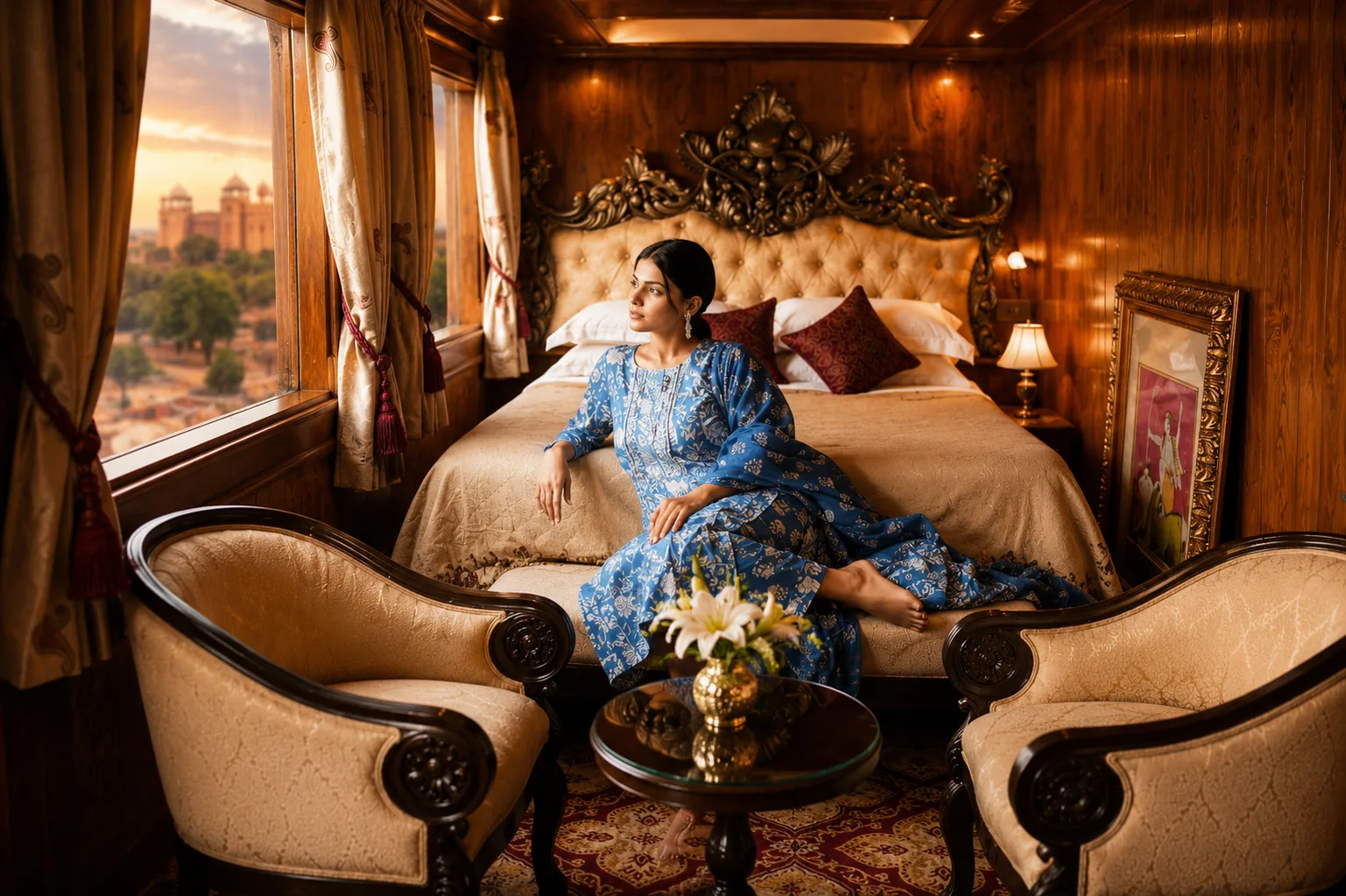
A rail journey gives the trip a connective thread. There is time to reflect, share impressions and anticipate what comes next. Travellers can use moments onboard to read, organise photographs or discuss what they have seen.
The experience will vary depending on the season, itinerary and departure. Review the current official train journey details before planning around a specific destination or activity. That way, your expectations match the journey being offered.
A richer trip does not depend on seeing more places. It can come from paying closer attention to the places you do visit. Look at the architecture, learn about local craft, notice the landscape and remain open to stories that change your perspective.
FAQs
1. How can travellers make a Palace on Wheels trip more meaningful?
Choose a few interests—such as architecture, local crafts or history—and use them as a lens while visiting destinations. Read the current itinerary beforehand, but leave room for unexpected details. Palace on Wheels provides the journey framework; travellers can make it personal by asking thoughtful questions, listening to guides and reflecting on what they notice.
2. Does every Palace on Wheels departure visit the same places?
Itineraries and schedules can change, so travellers should check the departure details for their specific season and dates. Do not assume that an older blog or brochure describes the current journey. The official Palace on Wheels website provides current information, and its team can clarify which destinations and excursions are planned for a selected departure.
3. Can guests take photographs during excursions?
Photography rules may differ by location and site. Follow the instructions of local staff and guides, and ask permission before photographing people or private spaces. Check whether particular areas restrict flash or equipment. Palace on Wheels can provide journey guidance, while the rules at each destination should be followed during the visit.
4. What should I read before travelling on Palace on Wheels?
Start with the current itinerary and official travel information, then read concise background about the destinations you expect to visit. Focus on a few topics that interest you rather than trying to memorise everything. The official Palace on Wheels website should be used for current journey details; historical and cultural reading can help prepare questions.
5. How can I learn about Rajasthan’s crafts respectfully?
Observe how an item is made and used, ask questions politely and avoid photographing artisans without permission. If you wish to buy something, ask about materials and care rather than assuming every item is handmade. Palace on Wheels travellers should follow excursion guidance and respect the customs and preferences of local people.