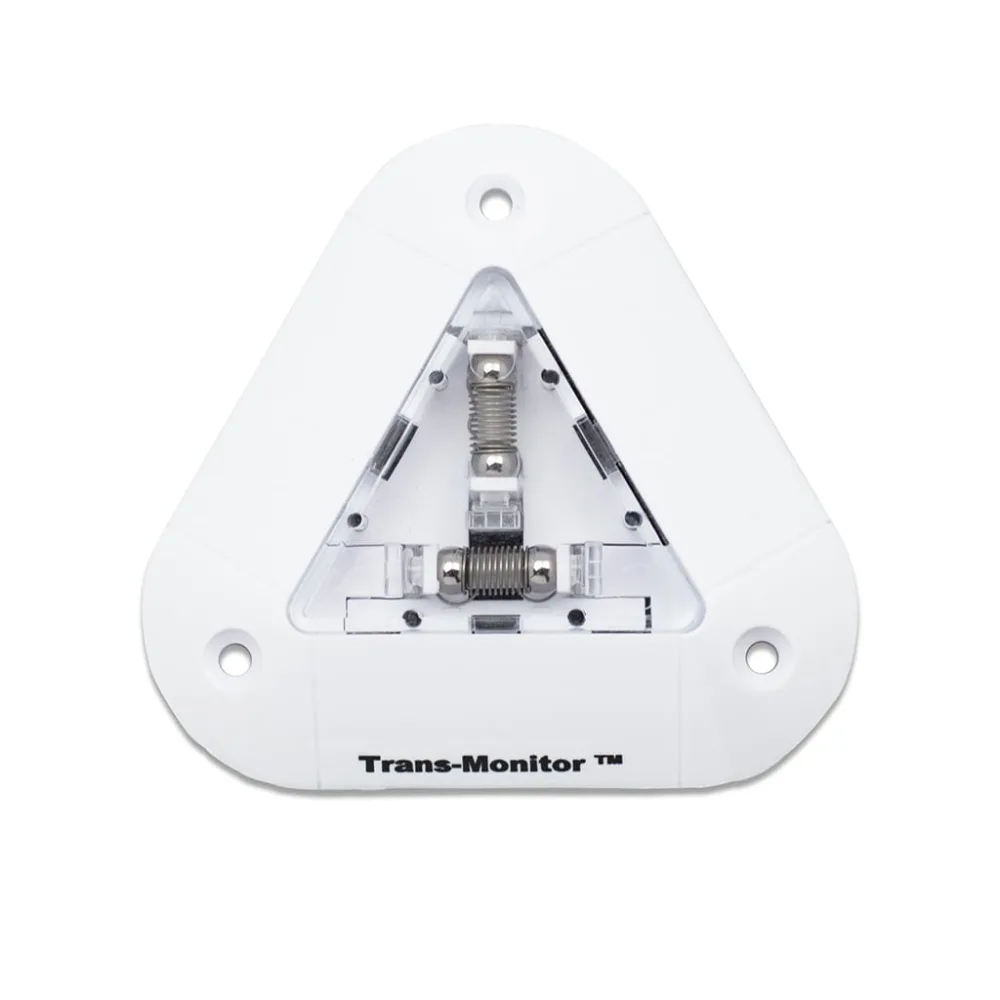
What Is a Shock Indicator?
A shock indicator is a simple yet highly effective device designed to detect and display when a package, product, or piece of equipment has been subjected to excessive impact or mishandling during transportation and storage. These indicators provide a visible alert whenever a shipment experiences a shock beyond a predetermined threshold, helping businesses identify potential damage before products reach customers.
In today’s global supply chain, where goods travel thousands of miles through multiple handling points, a shock indicator serves as an essential tool for maintaining product quality and reducing costly damage claims.
Why Are Shock Indicators Important?
Many products are highly sensitive to impacts and vibrations. Electronics, medical devices, industrial machinery, laboratory equipment, and fragile components can suffer internal damage even when no external signs are visible.
Using a shock indicator offers several benefits:
- Reduces product damage during transit
- Encourages careful handling by logistics personnel
- Improves supply chain accountability
- Helps identify where mishandling occurred
- Supports warranty and insurance claims
- Enhances customer satisfaction
By providing clear evidence of excessive impact, shock indicators help businesses maintain the integrity of their shipments.
How Does a Shock Indicator Work?
A shock indicator is attached to the exterior of a package or shipping container before transit. When the package experiences a shock force greater than the indicator’s preset sensitivity level, the device activates and changes color or displays a visible warning.
Once activated, the indicator remains permanently triggered, creating a clear record that the package encountered potentially damaging conditions during transportation.
This simple yet effective mechanism helps shippers and receivers quickly assess whether a shipment may require further inspection.
Common Applications of Shock Indicators
Electronics and Technology
Sensitive electronic equipment can be damaged by sudden impacts. Shock indicators help ensure safe handling throughout the shipping process.
Medical Equipment
Medical devices often require precise calibration and careful transportation. Shock indicators provide an additional layer of protection and monitoring.
Industrial Machinery
Heavy machinery and manufacturing equipment can experience hidden structural damage during transit. Shock indicators help detect potentially harmful impacts.
Aerospace Components
Aircraft parts and aerospace systems demand strict quality control. Shock indicators help maintain compliance and safety standards.
Scientific Instruments
Laboratory and testing equipment often contain delicate internal components that can be affected by shocks and vibrations.
Key Benefits of Using Shock Indicators
Improved Shipment Visibility
Shock indicators provide instant visual confirmation if mishandling has occurred, allowing for faster decision-making upon delivery.
Cost Savings
Reducing damaged shipments leads to lower replacement costs, fewer returns, and decreased insurance claims.
Better Handling Practices
Visible shock indicators encourage transport personnel to handle packages with greater care, reducing the likelihood of accidents.
Enhanced Customer Confidence
Customers appreciate receiving products that arrive in optimal condition. Shock indicators demonstrate a commitment to quality and protection.
Choosing the Right Shock Indicator
When selecting a shock indicator, consider:
- Product sensitivity
- Shipping environment
- Package size and weight
- Impact threshold requirements
- Industry regulations
- Environmental conditions
Choosing the correct activation level ensures accurate monitoring without unnecessary false triggers.
Future of Shock Monitoring Technology
Modern logistics continues to evolve with smart monitoring solutions. Advanced shock indicators now integrate with digital tracking systems, providing real-time shipment visibility and valuable transportation data.
As supply chains become more complex, businesses are increasingly relying on shock indicators to improve operational efficiency, reduce losses, and maintain product quality.
Conclusion
A shock indicator is a valuable tool for protecting sensitive products during transportation and storage. By providing immediate evidence of excessive impacts, these devices help prevent damage, improve accountability, and strengthen supply chain performance.
Whether you’re shipping electronics, medical equipment, industrial machinery, or fragile products, implementing shock indicators can significantly reduce risk and ensure your shipments arrive safely and securely.