
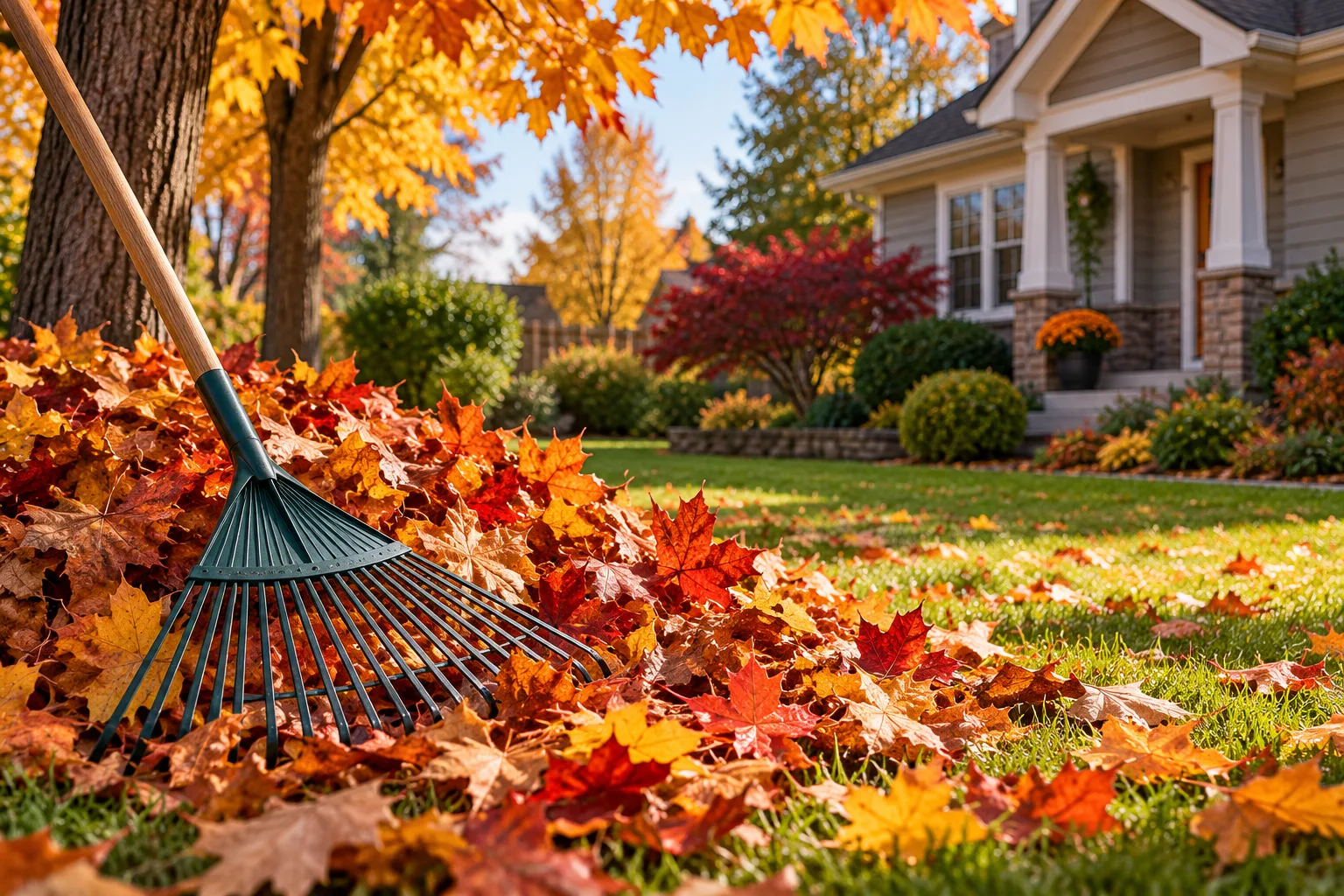
"Leave the leaves" has become one of the most shared pieces of gardening advice on social media and forums like Reddit every autumn, and it's not just a trend for the sake of it. There's real science behind it, but also real reasons it doesn't always work as simply as the slogan suggests. Here's the practical version.
What Is the "Leave the Leaves" Movement?
It's a growing shift away from the traditional rake-bag-bin approach to autumn leaves, encouraged by wildlife charities and gardeners alike. Instead of clearing every leaf from the garden, the idea is to let fallen leaves stay where they're useful, feeding the soil and sheltering wildlife through winter, rather than treating them as waste.
Why Fallen Leaves Matter for Wildlife
A layer of fallen leaves isn't just mess, it's active habitat. Hedgehogs use leaf piles to build winter hibernation nests. Many moths and butterflies overwinter as pupae hidden in leaf litter, so clearing it away entirely can remove a whole generation before spring. Birds forage through leaf litter for insects and grubs all winter long, and as leaves slowly break down, they feed the soil naturally, doing the job of a fertiliser for free.
When Leaving the Leaves Can Cause Problems
The slogan is a bit simpler than reality. A few situations where leaving leaves in place genuinely isn't the right call:
- On the lawn. A thick, wet layer of leaves left sitting on grass blocks light and airflow, which can smother the lawn and encourage moss or fungal problems.
- On paths and driveways. Wet leaves get slippery fast, and that's a real trip hazard rather than a wildlife benefit.
- In gutters and drains. Leaves left to build up here cause blockages, and blocked drainage can lead to water damage.
- From a diseased tree. Leaves from a tree with a fungal leaf disease are usually better removed and disposed of properly, rather than left to reinfect the same tree next spring.
A Practical Middle Ground
You don't have to choose between a tidy garden and a wildlife-friendly one:
- Clear what needs to be clear. Lawns, paths, and drains should stay leaf-free for safety and grass health.
- Move the rest, don't bin it. Rake leaves off the lawn and into borders, beds, and around the base of shrubs and trees, where they'll do good rather than harm.
- Leave one quiet corner undisturbed. A small, out-of-the-way pile is enough to give hedgehogs and overwintering insects somewhere safe.
- Turn extra leaves into leaf mould. Piled leaves left to break down for a year or two become a genuinely useful, free soil improver.
What This Means for a Bigger Autumn Garden Clean-Up
For larger gardens, or properties with a lot of trees and hedging, autumn clean-up is often more than just leaves. A professional site clearance can responsibly clear what genuinely needs to go (cuttings, deadwood, built-up debris) while leaving wildlife-friendly areas untouched, rather than an all-or-nothing clear-out. It's also worth turning some of that material into something useful: our woodchip service can put garden waste back to work as mulch rather than sending it to landfill. And with leaves down, branch structure becomes much easier to see, which makes autumn a good time to plan any tree pruning before winter sets in properly.
Why Cork & Kerry Homeowners Choose Heritage Tree Care Ltd for Autumn Garden Care
We handle autumn clean-ups with a lighter touch than a strip-everything approach, clearing what's genuinely a problem and leaving the rest to do its job. Fully insured, NPTC and ISA qualified, and happy to advise on what actually needs doing versus what can simply be left.
Frequently Asked Questions
Is it actually good to leave fallen leaves on your lawn?
A thin layer is fine and even beneficial, but a thick, wet layer can smother grass and cause fungal problems, so it's best raked off the lawn specifically, even if it stays elsewhere in the garden.
What's the best way to leave the leaves without ruining my grass?
Clear leaves off the lawn itself, then move them into borders, beds, or around trees and shrubs, where they'll break down naturally without harming grass.
Do I need to remove leaves from a diseased tree?
Yes, generally. Leaves from a tree with a fungal disease should be cleared and disposed of properly rather than left in place, to reduce the chance of reinfecting the tree.
What can I do with the leaves I do rake up?
Pile them somewhere out of the way to break down into leaf mould, a free, natural soil improver that takes a season or two to mature.
When is the best time for a bigger autumn garden clean-up?
Once most leaves have fallen but before winter weather sets in properly is ideal, since it also gives a clear view of any pruning or deadwood that needs attention.
Need help with a bigger autumn clean-up? Contact Heritage Tree Care Ltd for a professional, wildlife-friendly approach.