
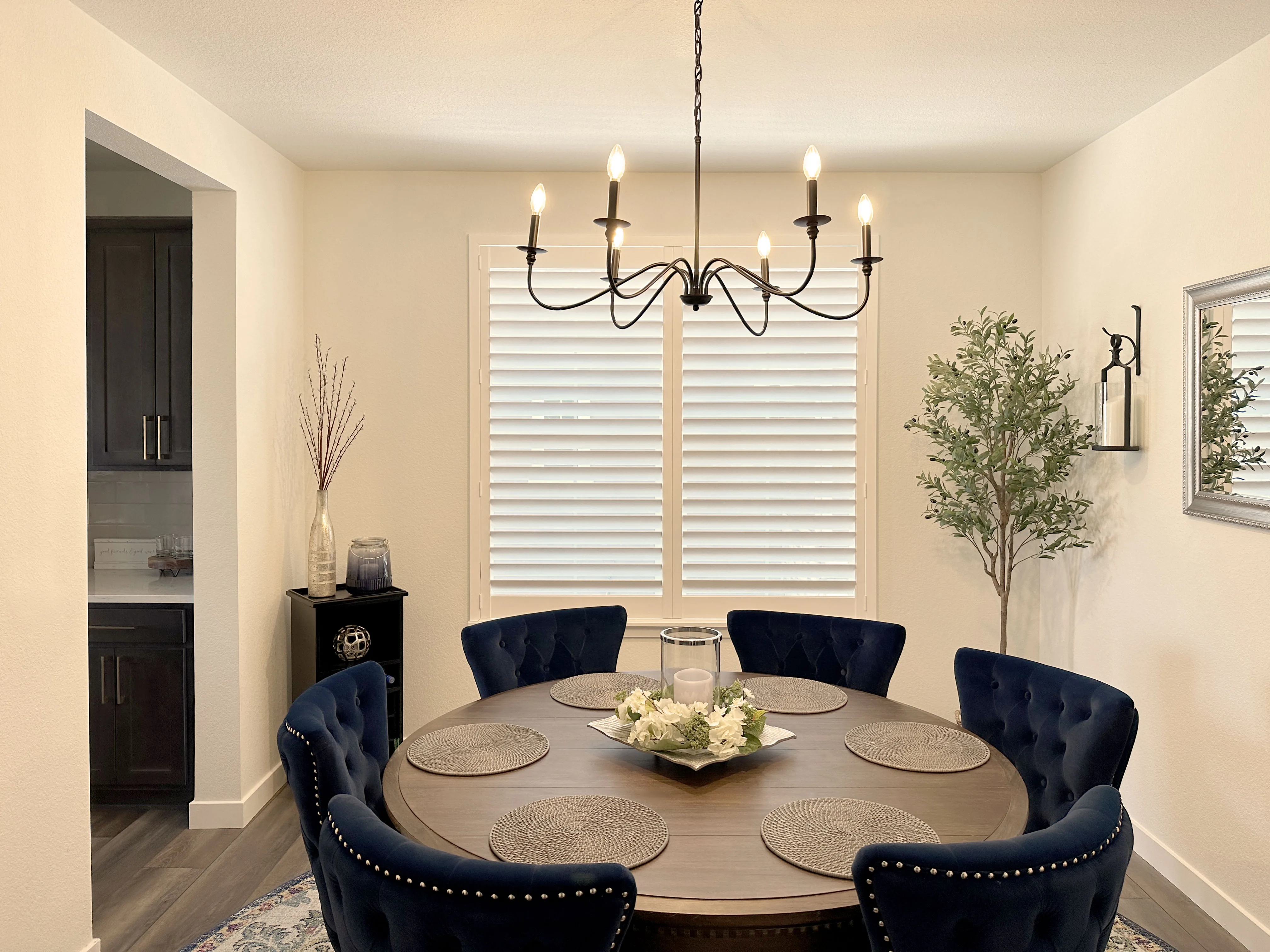
Shutter hardware plays an important role in the appearance, operation, and longevity of interior and exterior shutters. Hinges, pulls, latches, catches, and other hardware may be small components, but they directly affect how easily shutters open, close, and stay securely positioned. Replacing worn hardware or upgrading existing pieces can also provide an opportunity to refresh the overall appearance of a window treatment.
For homeowners searching for shutter hardware in Atlanta, GA, choosing the right components requires more than finding hardware that looks attractive. The hardware needs to match the shutter's construction, dimensions, operating requirements, and existing installation. Proper selection can help restore functionality while giving older shutters a more finished appearance.
Why Shutter Hardware Matters
A shutter can be well designed and professionally installed, but worn or damaged hardware can affect its everyday operation. Loose hinges may cause panels to sag, while worn latches may prevent shutters from closing securely.
Hardware also influences how shutters feel when they are used. Properly fitted hinges allow panels to move smoothly, while appropriately sized pulls make opening and closing easier.
Because hardware is both functional and visible, it can also contribute to the overall design. A carefully selected finish can complement the shutter material, window trim, cabinetry, door hardware, and other details throughout the room.
Common Types of Shutter Hardware
Different shutter installations require different hardware components. Hinges are among the most important because they support the panels and allow them to move.
Latches and catches help keep shutter panels closed or positioned correctly. Pulls and knobs provide a convenient point for opening panels, while holdbacks can be used in certain installations to keep panels open.
The appropriate combination depends on the shutter design and how the panels are configured. A replacement component should therefore be selected based on the existing system rather than simply choosing a visually similar item.
Shutter Hinges
Hinges experience regular movement and carry the weight of the shutter panel. Over time, they can become loose, worn, or damaged.
Replacing old hinges can help improve panel alignment and operation. However, hinge selection should take into account the panel's size and weight as well as the existing mounting arrangement.
The position of the hinge can also affect how far a shutter panel opens and how it sits within the window opening. Correct installation is therefore important for achieving smooth operation.
For older shutters, it may be useful to evaluate the condition of the entire hardware system rather than replacing a single hinge without checking the surrounding components.
Shutter Latches and Catches
Latches help keep shutter panels closed when desired. A properly functioning latch should engage securely while remaining easy to operate.
If an existing latch is difficult to close, loose, or damaged, replacing it may restore some of the original functionality of the shutter. Different designs can also provide different visual effects.
Some homeowners prefer subtle hardware that blends into the shutter, while others may choose a more decorative style that becomes an intentional design feature.
Shutter Pulls and Knobs
Pulls and knobs provide an easy way to operate shutter panels. They are particularly noticeable on frequently used shutters, making their design and finish worth considering.
A simple pull can maintain a minimalist appearance, while decorative hardware can add traditional or vintage character. The selected style should work with the overall room rather than competing with the shutters themselves.
Ergonomics also matter. Hardware should be comfortable to grip and appropriately positioned for the way the shutter is used.
Matching Hardware to Existing Shutters
Before purchasing replacement shutter hardware, homeowners should identify the existing shutter type and hardware configuration. Measurements can include hinge size, screw spacing, panel thickness, and the dimensions of the existing latch or pull.
The material of the shutter may also affect the appropriate hardware. Wood shutters, composite shutters, and exterior shutters can have different installation requirements and environmental considerations.
When replacing only certain components, matching the existing finish may create a consistent appearance. Alternatively, homeowners may intentionally replace multiple hardware pieces to create a refreshed look.
Updating Older Shutters
Replacing hardware can be a relatively simple way to update the appearance of existing shutters without replacing the entire window treatment.
Older shutters may continue to provide useful light and privacy control even when their hardware begins to show signs of wear. New hinges, pulls, or latches can help restore the visual and functional quality of the installation.
This approach may be especially useful when the shutter panels themselves remain in good condition. A hardware upgrade can address specific operational problems while preserving the existing shutter design.
Decorative Shutter Hardware
Hardware does not always have to disappear into the background. Decorative hinges, pulls, and other components can contribute to the character of a room.
Traditional interiors may suit classic finishes and more detailed hardware, while contemporary spaces may benefit from simple shapes and understated finishes.
When selecting decorative hardware, scale is important. Oversized components can overwhelm a small shutter, while hardware that is too small may look out of proportion or be difficult to use.
Exterior Shutter Hardware in Atlanta
Exterior shutters require hardware capable of handling outdoor exposure. Atlanta's weather can include heat, humidity, rain, and extended periods of sunlight, so exterior components should be selected with the installation environment in mind.
Hardware designed for exterior applications may need additional resistance to moisture and corrosion. The appropriate material and finish depend on the specific location and exposure.
Exterior shutter hardware should also provide secure attachment and reliable operation. Professional assessment can help determine whether existing mounting points and hardware are suitable for replacement components.
Hardware for Interior Shutters
Interior shutters typically have different requirements from exterior installations. Hardware can be selected to complement the interior finish while providing convenient operation.
In rooms where shutters are frequently opened and closed, durable hinges and comfortable pulls are particularly important. In less frequently used areas, homeowners may place greater emphasis on appearance.
Because interior hardware is visible within the living space, the finish can be coordinated with other elements such as cabinet handles, door hardware, lighting fixtures, and window trim.
When to Replace Shutter Hardware
Several signs may indicate that shutter hardware Atlanta GA needs attention. Loose panels, squeaking hinges, difficult-to-operate latches, misalignment, and hardware that has become visibly worn can all warrant inspection.
Hardware replacement may also make sense when homeowners are updating a room and want the window treatments to coordinate with a new interior design.
Rather than automatically replacing an entire shutter system, an inspection can help determine whether the problem is limited to individual components or whether the shutter itself also requires repair or replacement.
Professional Hardware Selection and Installation
Correct hardware selection is essential because not every hinge, latch, or pull will work with every shutter. Professional assistance can help identify the existing system and determine which replacement components are compatible.
Installation also matters. Hardware needs to be positioned correctly and securely attached to support the shutter's weight and movement. Incorrect placement can lead to alignment problems or premature wear.
For custom or unusual shutter installations, professional evaluation can be especially helpful before ordering replacement components.
Refresh Your Shutters With the Right Hardware
Shutter hardware combines practical function with visible design details. Whether the goal is to repair worn components, improve shutter operation, replace damaged hardware, or update the appearance of an existing installation, the right hinges, latches, pulls, and other accessories can make a noticeable difference.
For Atlanta homeowners, exterior exposure and indoor conditions should also be considered when choosing hardware. Selecting components that match the shutter type, installation environment, and desired appearance can help create a reliable and cohesive result.
With proper measurement, compatible components, and careful installation, updated shutter hardware can extend the usefulness of existing shutters while providing a simple way to refresh their overall appearance.