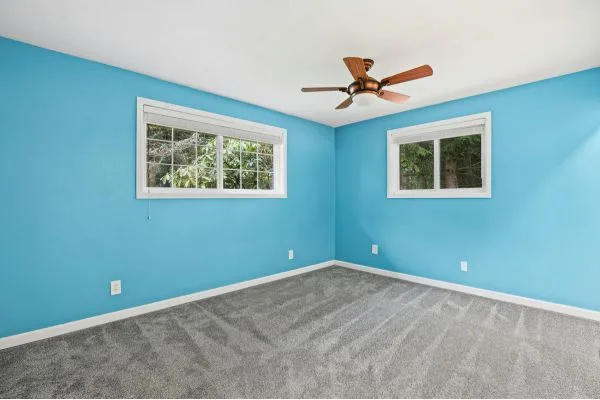
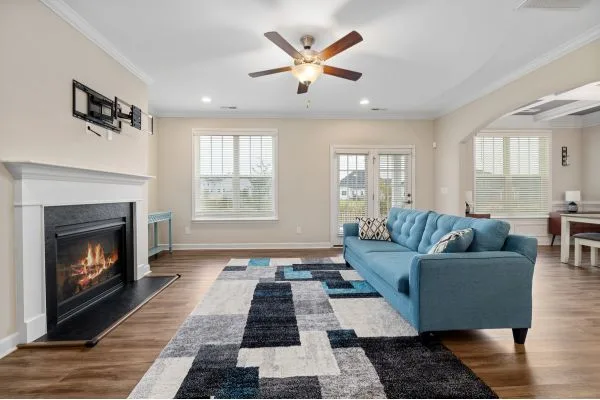
When floor space is limited, choosing the right cooling solution can be surprisingly difficult. A large ceiling fan may feel overwhelming in a compact bedroom, study, kitchen, hallway, or apartment. This is where a small ceiling fan can offer a practical alternative, providing airflow without taking up valuable room.
However, size should not be the only factor when selecting a compact fan. Blade span, motor technology, ceiling height, room dimensions, noise level, lighting options, and energy consumption can all influence the final choice.
What Makes a Small Ceiling Fan Different?
A compact ceiling fan is designed for areas where a conventional large fan may not be suitable. Its smaller blade span and space-conscious design make it easier to integrate into rooms with limited dimensions.
The main advantage is balance. You want enough airflow to make the room comfortable without choosing a fan that dominates the ceiling visually or creates excessive air movement.
Small fans can work particularly well in:
- Compact bedrooms
- Home offices and study rooms
- Small living areas
- Kitchens
- Children's rooms
- Apartments and studio spaces
- Walk-in areas and utility rooms
- Small commercial spaces
How Small Should Your Ceiling Fan Be?
There is no universal fan size that works for every small room. Instead, consider the room's dimensions and ceiling layout before purchasing.
For a compact room, a smaller blade span can provide adequate circulation while leaving enough visual and physical space around the fan. If the room is slightly larger, moving up to a medium-sized model may provide better air distribution.
The goal is not simply to buy the smallest fan available. The better approach is to select a fan that matches the room's airflow requirements.
Small Ceiling Fan With Light: Is It Worth Considering?
If your room needs both illumination and air circulation, a fan with an integrated light can be a useful space-saving option.
Instead of installing a separate ceiling light and fan, a combined unit can perform both functions from one ceiling position. This can be especially useful in bedrooms, compact dining areas, home offices, and apartments.
When comparing models, check:
- Light brightness
- LED efficiency
- Colour temperature options
- Light control method
- Fan speed settings
- Overall fixture height
A well-designed combination can keep the ceiling cleaner and reduce visual clutter.
DC Motor or AC Motor: Which Is Better?
Motor technology can make a noticeable difference in the performance of a compact ceiling fan.
DC Motor Fans
DC motor fans are generally valued for their efficient operation, quieter performance, and precise speed control. Many models also offer multiple speed settings and reverse functionality.
AC Motor Fans
AC fans are widely available and can be a straightforward choice for buyers who prioritise conventional controls and affordability.
If the fan will operate for several hours every day, comparing energy efficiency may be more useful than looking only at the initial purchase price.
Why Ceiling Height Matters
A small fan is not automatically suitable for every small room.
Ceiling height is important because the fan needs to be installed at a safe and practical distance from the floor. In rooms with lower ceilings, a low-profile or flush-mount design may be more appropriate.
For higher ceilings, the installation may require a suitable downrod to position the fan at an effective height.
Before purchasing, measure the ceiling height rather than relying solely on the room's floor area.
What Blade Design Should You Look For?
Blade count alone does not determine how well a fan performs. Blade angle, shape, material, motor speed, and overall engineering can influence airflow.
For a compact room, look for a blade design that distributes air effectively without requiring excessive operating speed.
A well-balanced fan should also operate smoothly without noticeable wobbling or unnecessary vibration.
Noise Can Be More Important Than You Think
A compact fan installed in a bedroom or workspace should not become a source of distraction.
If quiet operation matters, pay attention to the motor design and manufacturer specifications. A quieter fan can make a significant difference when used during sleep, studying, reading, or video calls.
For bedrooms and work-from-home spaces, noise performance should therefore be considered alongside airflow.
Smart Features for Modern Homes
Some small ceiling fans now include features designed around convenience rather than basic cooling alone.
Depending on the model, you may find:
- Remote control operation
- Multiple speed levels
- Timer functions
- Sleep modes
- Reverse rotation
- Smart-home connectivity
- App-based controls
- Voice-control compatibility
These features can be particularly useful when the fan is installed in a bedroom or another location where reaching a wall switch is inconvenient.
Energy Efficiency and Everyday Running Costs
A fan's purchase price does not tell the complete cost of ownership.
If you use the fan regularly, energy consumption can become an important consideration. Efficient motors can help reduce electricity usage over time, particularly when the fan operates for several hours each day.
Rather than choosing a model purely because it is inexpensive, compare its motor efficiency, operating modes, and expected usage.
Installation Considerations
Before ordering a compact ceiling fan, inspect the installation area.
Check whether:
- The ceiling can safely support the fan.
- The electrical connection is suitable.
- There is enough clearance around the blades.
- The mounting system is compatible with the ceiling.
- The fan will not interfere with doors, cabinets, lights, or other fixtures.
Professional installation can be worthwhile, especially when electrical work or a new mounting point is required.
Common Mistakes to Avoid
Buying a small fan simply because the room is small can lead to disappointing results.
Avoid choosing a model based only on appearance. A stylish fan may not provide the airflow you need.
Other mistakes include:
- Ignoring ceiling height
- Selecting the smallest available blade span without checking room requirements
- Overlooking motor efficiency
- Not checking installation requirements
- Choosing a noisy model for a bedroom
- Forgetting to consider remote or smart controls
- Focusing only on the purchase price
How to Choose the Right Small Ceiling Fan
A practical buying decision should start with the room rather than the product.
Measure the room, check the ceiling height, identify where the fan will be installed, and determine how much airflow you actually need. Then compare blade size, motor type, energy efficiency, noise level, controls, lighting, and installation requirements.
For a bedroom, quiet operation may be the priority. For a study, compact dimensions and low noise may matter most. In a small apartment, a fan with integrated lighting can help maximise ceiling space.
Final Thoughts
A small ceiling fan can be an effective cooling solution when conventional fans are too large for the available space. But the best choice depends on more than dimensions.
Room size, ceiling height, airflow, motor technology, noise, energy consumption, controls, and installation should all be considered together. Taking a few minutes to compare these factors can help you choose a compact fan that fits your space while delivering comfortable and efficient airflow.