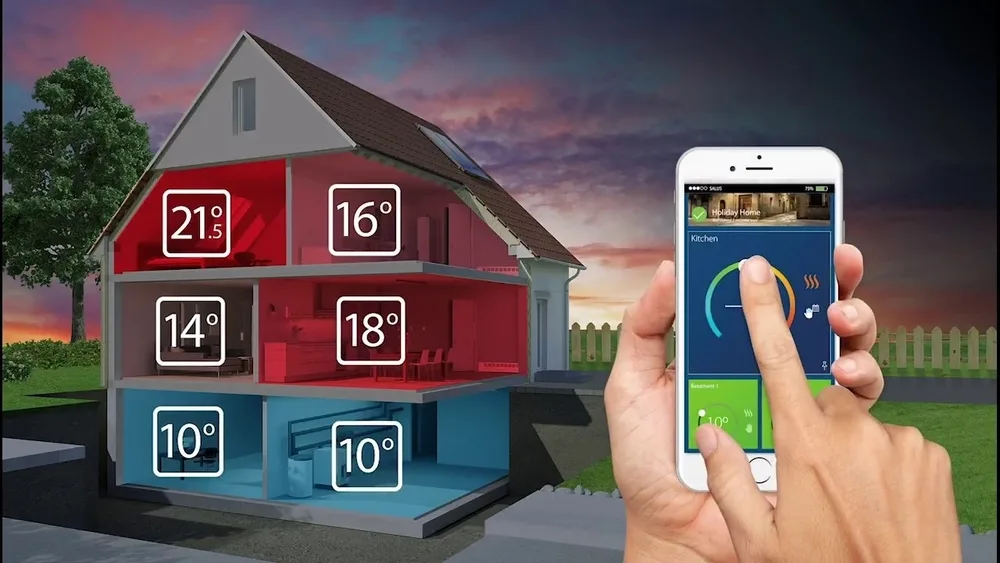
Modern homes are evolving rapidly, and technology continues to reshape the way people experience comfort indoors. One of the most significant advancements in residential and commercial environments is the smart heating system. Designed to provide efficient temperature management through intelligent controls, these systems offer convenience, adaptability, and energy-conscious operation. As homeowners seek better ways to maintain a pleasant indoor atmosphere while managing utility expenses, smart heating solutions have become increasingly popular.
Understanding the Concept of a Smart Heating System
A smart heating system is an advanced temperature-control solution that uses digital technology, sensors, automation, and connectivity to regulate indoor conditions. Unlike conventional systems that operate according to fixed settings, smart systems continuously monitor environmental factors and user preferences to create a more responsive and customized experience.
These systems often connect to mobile applications, allowing users to control room temperatures remotely. Through internet-enabled devices, homeowners can adjust settings from virtually anywhere, ensuring that living spaces remain comfortable without unnecessary energy consumption.
The intelligence behind these systems comes from their ability to learn usage patterns. Over time, they recognize daily routines and automatically adjust operations to match occupants’ schedules.
The Growing Demand for Smart Home Technology
The rise of smart home technology has transformed expectations regarding convenience and efficiency. Consumers increasingly desire connected devices that communicate with one another and simplify everyday tasks.
Smart heating systems fit perfectly within this ecosystem. They integrate with voice assistants, smart lighting, security devices, and other connected technologies. This integration creates a seamless living experience where multiple household functions operate together.
As awareness of sustainability grows, many homeowners also appreciate the ability to manage energy usage more effectively. Smart temperature control aligns with these goals by reducing waste and optimizing system performance.
Enhanced Comfort Through Intelligent Temperature Control
One of the primary advantages of smart heating systems is their ability to maintain consistent indoor comfort. Traditional systems may create fluctuations that leave rooms feeling too warm or too cool at different times of the day.
Smart technology addresses this issue by continuously analyzing room conditions and making precise adjustments. Sensors collect information regarding occupancy, weather changes, and indoor temperatures. The system then responds automatically to maintain desired comfort levels.
This intelligent regulation helps eliminate uncomfortable variations and creates a more stable environment throughout the home.
Personalized Living Experiences
Every household has unique preferences regarding indoor temperatures. Smart heating systems accommodate these differences through personalized programming options.
Family members can establish individual schedules based on their daily activities. Bedrooms, living areas, and workspaces can all operate according to customized settings. This flexibility ensures that each area receives appropriate temperature management when needed.
Over time, many smart systems learn from user behavior and begin making predictive adjustments. This capability reduces the need for constant manual intervention while enhancing overall convenience.
Remote Access and Mobile Control
One of the most appealing features of smart heating systems is remote accessibility. Mobile applications allow users to monitor and control their systems from smartphones or tablets.
Whether traveling for business, returning from vacation, or simply relaxing in another room, homeowners can adjust settings instantly. This level of control provides peace of mind and allows quick responses to changing circumstances.
For example, if weather conditions shift unexpectedly, users can modify temperature settings before arriving home. This ensures comfort upon arrival while preventing unnecessary operation during periods of absence.
Improved Energy Efficiency
Energy efficiency remains a major consideration for property owners. Smart heating systems contribute significantly to reducing energy consumption through intelligent scheduling and adaptive controls.
Rather than operating continuously, these systems function according to actual needs. Occupancy sensors detect when rooms are empty and reduce activity accordingly. Scheduling features ensure that energy is not wasted during times when spaces are unoccupied.
Weather-responsive technologies further enhance efficiency by adjusting operations based on outdoor conditions. By making real-time modifications, the system maintains comfort while minimizing unnecessary energy usage.
Learning Capabilities and Artificial Intelligence
Many modern smart heating systems incorporate artificial intelligence and machine learning technologies. These advanced features enable the system to analyze behavioral patterns and optimize performance automatically.
As users interact with the system, it gathers valuable information regarding preferences and routines. The software then creates customized schedules that align with household habits.
This learning capability results in a more intuitive experience. Occupants benefit from consistent comfort without needing to frequently modify settings. The system essentially becomes smarter over time, continually refining its operation for improved performance.
Integration with Smart Home Ecosystems
Connectivity is a defining characteristic of modern home technology. Smart heating systems integrate seamlessly with broader smart home ecosystems, creating unified control platforms.
Voice-controlled assistants allow users to adjust temperatures using simple spoken commands. Automation routines can coordinate temperature management with lighting schedules, security settings, and occupancy detection.
For example, a homeowner leaving the property can activate a single command that adjusts temperature settings, turns off lights, and arms security systems simultaneously. This integration simplifies daily life while improving overall efficiency.
Real-Time Monitoring and Insights
Data plays a crucial role in optimizing modern home systems. Smart heating solutions provide detailed insights regarding energy usage, operational performance, and temperature trends.
Users can access reports through mobile applications or web dashboards. These reports help identify patterns, evaluate efficiency, and make informed decisions regarding system operation.
Real-time monitoring also enables early detection of performance issues. Homeowners can receive notifications when maintenance may be required, reducing the likelihood of unexpected disruptions.
Supporting Sustainable Living
Environmental responsibility has become an important priority for many households. Smart heating systems support sustainable living by helping reduce energy waste and improving resource management.
Through intelligent scheduling and adaptive controls, these systems ensure that energy is used only when necessary. Lower consumption contributes to reduced environmental impact while supporting broader sustainability goals.
As governments and organizations encourage environmentally conscious practices, smart temperature-management solutions continue to gain recognition as valuable tools for responsible living.
Flexible Zoning for Greater Control
Large homes often experience varying temperature requirements across different areas. Smart heating systems address this challenge through zoning capabilities.
Zoning allows homeowners to divide a property into multiple temperature-controlled areas. Each zone can operate independently according to specific preferences and occupancy patterns.
This flexibility prevents energy waste in unused rooms while ensuring that occupied spaces remain comfortable. Families benefit from greater control and enhanced personalization throughout the property.
Increased Property Appeal
Technology-driven features increasingly influence real estate decisions. Prospective buyers often view smart home technologies as valuable additions that enhance convenience and efficiency.
A smart heating system can improve a property's appeal by demonstrating modern functionality and advanced energy management capabilities. Buyers recognize the benefits of intelligent automation and remote control features.
As smart home adoption continues to expand, properties equipped with connected technologies may attract greater interest within competitive markets.
Easy Installation and User-Friendly Operation
Manufacturers have focused heavily on creating user-friendly experiences. Many smart heating systems feature intuitive interfaces that simplify setup and operation.
Mobile applications guide users through installation processes and provide straightforward controls for scheduling and temperature adjustments. Clear displays and simple navigation ensure accessibility for individuals with varying levels of technical expertise.
As a result, homeowners can quickly begin enjoying the benefits of intelligent temperature management without extensive training or complicated procedures.
Future Innovations in Smart Heating Technology
The future of smart heating systems appears highly promising. Emerging technologies will likely introduce even greater levels of automation, personalization, and efficiency.
Advanced sensors may provide more precise environmental analysis. Artificial intelligence algorithms will continue improving predictive capabilities. Integration with renewable energy technologies could further enhance sustainability and reduce operating costs.
Future systems may also incorporate enhanced health and wellness features by monitoring indoor environmental conditions and adjusting settings to support occupant comfort more effectively.
These innovations will strengthen the role of smart heating systems as essential components of modern homes and buildings.
Why Smart Heating Systems Are Becoming Essential
The growing popularity of smart heating systems reflects changing expectations regarding comfort, efficiency, and convenience. Modern homeowners seek solutions that adapt to their lifestyles while reducing unnecessary energy consumption.
By combining intelligent automation, remote accessibility, personalized controls, and data-driven insights, smart heating systems deliver significant advantages over traditional approaches. Their ability to learn user preferences and respond dynamically to environmental conditions creates a more comfortable and efficient living experience.
As technology continues advancing, smart heating systems will likely become standard features in homes worldwide. Their combination of innovation, convenience, and sustainability positions them as a valuable investment for anyone seeking a smarter and more comfortable future.