The main difference between standard and high-density fiberglass batts lies in the concentration of glass fibers within the material. While standard batts offer a basic level of thermal resistance for common wall cavities, high-density versions pack more fibers into the same space to provide a higher R-value. This allows homeowners to achieve better temperature control in narrow areas where thicker insulation cannot fit.

Choosing the right material ensures a home stays comfortable during the varied seasons of the Rogue Valley. This guide explores the technical specifications and practical applications of these materials to help homeowners make informed decisions for their next project. Industry experts rely on these distinctions to meet modern building codes and improve energy efficiency in residential structures.
The fundamental mechanics of fiberglass density
Standard fiberglass batts are manufactured with a looser weave of glass fibers. They are designed to fill standard 2x4 or 2x6 stud bays completely without being squeezed. Standard products typically provide an R-11 or R-13 rating in a 3.5-inch wall cavity.
High-density fiberglass batts are pressed much tighter during the manufacturing process. By increasing the fiber count, manufacturers reduce the air pockets that allow heat to move through the material. This results in a higher thermal rating for the same thickness of material.
- Standard batts have a lower weight per square foot.
- High-density products feel more rigid and hold their shape better.
- The extra fibers create a more effective barrier against heat flow.
- Dense batts are less likely to sag over time if installed correctly.
Comparing thermal performance and R-value ratings
The fiberglass batt R-value is the standard measurement of how well a material resists heat transfer. In Ashland, where winters bring freezing temperatures and summers often see triple digits, R-value is a primary concern for homeowners. Standard R-13 batts are common, but they may not meet the strictest energy goals for new builds.
Using high-density fiberglass insulation allows for an R-15 rating in that same 3.5-inch wall space. In homes with 2x6 walls, performance can move from a standard R-19 to an R-21 or even R-23. This jump in performance happens without needing to rebuild walls with deeper studs.
- R-values measure thermal resistance per inch of thickness.
- Higher density leads to higher resistance in the same volume.
- Increased R-values lead to lower monthly utility costs.
- Local codes often dictate minimum R-values for different parts of a house.
Technical specifications for common insulation sizes
Cavity DepthStandard R-ValueHigh-Density R-ValueCommon Application3.5 Inches (2x4)R-11 or R-13R-15Interior and exterior walls5.5 Inches (2x6)R-19R-21Standard exterior walls8.25 Inches (2x10)R-25R-30Floors and some ceilings12 Inches (2x12)R-30 or R-38R-38CVaulted or cathedral ceilings
Best applications for high-density materials
Builders often consider high-density fiberglass batts when space is limited but thermal needs are high. Vaulted ceilings are a perfect example because the rafters often lack the depth needed for thick standard batts. High-density products provide the necessary protection while maintaining the required air gap for roof ventilation.
Modern energy standards in Oregon have become more demanding over the last decade. Many builders now prefer high-density options to ensure they pass inspections without adding bulk to the home design. These materials also work well around electrical boxes and wiring because they are easier to cut and fit snugly.
- Vaulted ceilings require high R-values in narrow rafter spaces.
- Exterior walls in 2x4 framing benefit from the jump to R-15.
- Sound dampening is often better with denser fiberglass materials.
- Basement walls often use high-density batts to save floor space.
Bonus Tip: When installing around outlets, split the batt thickness in half and tuck it behind the junction box rather than stuffing the whole batt behind it. This prevents compression.
How does fiberglass insulation Ashland OR handle the local climate
The climate in Southern Oregon presents unique challenges for residential insulation. Residents deal with significant temperature swings that put pressure on heating and cooling systems. A reliable insulation contractor in Ashland, OR can help ensure homes stay comfortable and energy-efficient throughout the year. Fiberglass insulation in Ashland, OR, must keep heat inside during snowy winters and outside during smoky, hot summer months.
High-density fiberglass batts provide a more consistent thermal envelope in these conditions. Because they are more resistant to airflow than standard batts, they help minimize the drafts that often occur in older homes. This makes them a preferred choice for retrofitting attics and crawlspaces in the region.
- Ashland sits in Climate Zone 4, requiring specific R-value targets.
- Higher density helps manage the extreme heat of the Rogue Valley.
- Proper installation prevents moisture buildup during damp spring months.
- Dense batts help maintain interior temperatures when power outages occur.
Why density matters for home energy efficiency
Market data suggests that homes with upgraded insulation can see a reduction in energy consumption by up to 15 percent. While the initial cost of high-density fiberglass batts is higher than standard options, the long-term savings usually cover the difference. Efficiency is not just about the thickness of the wall but the quality of the barrier.
Energy costs in the Pacific Northwest continue to rise, making thermal performance a priority for property owners. High-density products are often manufactured with a high percentage of recycled glass, which also appeals to those looking for sustainable building materials. They represent a balance between cost-effectiveness and top-tier performance.
- Lower energy bills are the most immediate benefit of better insulation.
- Reduced wear on HVAC systems extends the life of furnaces and AC units.
- Improved home resale value often follows energy efficiency upgrades.
- Environmentally friendly manufacturing processes use recycled materials.
Factors to evaluate before choosing your insulation
Selecting the right product requires looking at more than just the price tag. Property owners should assess the specific dimensions of framing and local weather patterns. A poorly chosen material can lead to moisture issues or failed building inspections.
Consider the following points before purchasing materials for a project:
- Verify the actual depth of wall studs or floor joists.
- Check local Ashland building codes for minimum R-value requirements.
- Assess the budget for materials versus long-term energy savings.
- Determine if faced batts with a vapor retarder or unfaced batts are needed.
- Look for products that are Greenguard certified for better indoor air quality.
Bonus Tip: Never compress fiberglass to fit a small space, as this lowers the R-value significantly. If a batt is too thick, choose a high-density version designed for that specific depth.
Why professional installation makes a difference
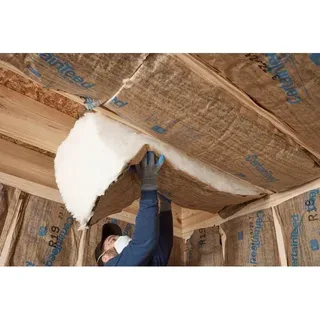
Even the best high-density fiberglass batts will fail if they are not installed correctly. Gaps, voids, and compression are the enemies of thermal resistance. Professionals use specialized tools to ensure every corner of the wall cavity is filled without crushing the glass fibers.
Proper air sealing is also a necessary step that should happen before the insulation goes in. This involves using foam or caulk to close up holes where wires and pipes pass through the framing. When combining air sealing with high-density materials, it creates a much more comfortable living environment.
- Pros ensure there are no gaps around electrical wires or plumbing.
- Professional cutting creates a tight fit against all four sides of a stud bay.
- Proper safety gear protects installers from glass fibers and dust.
- Experts can identify areas where moisture might become a problem.
Does high-density insulation improve soundproofing?
Many homeowners choose high-density fiberglass insulation for its acoustic properties as much as its thermal benefits. The increased mass of the glass fibers helps to absorb sound waves rather than letting them pass through the wall. This is particularly useful for media rooms, home offices, or bedrooms.
While not a complete soundproofing solution on its own, it significantly reduces the transmission of echo and mid-to-high frequency noises. For homeowners in Ashland who live near busy streets or have large families, this added benefit is often worth the investment.
- Dense fibers dampen vibrations within the wall assembly.
- It works well for blocking conversation and television noise between rooms.
- Acoustic performance is measured by the Sound Transmission Class (STC) rating.
- Using high-density batts in interior walls is a common upgrade for quiet homes.
Summary of thermal choices for your home
Understanding the differences between standard and high-density options allows for prioritizing the areas of a home that need the most protection. Standard batts remain a reliable choice for general use, but high-density versions offer the extra performance needed for modern efficiency. A home should be viewed as a complete system where every layer of insulation contributes to overall comfort. Evaluating specific framing depths and local climate needs ensures the selection of materials that provide the best long-term value.

Consult with experts for your Ashland insulation needs
Reviewing the various options for home efficiency can be difficult without professional guidance. For those in the Rogue Valley looking to upgrade their thermal protection, reaching out to a local specialist is a great next step. All Foam & Insulation, LLC provides expert services, including the installation of high-density fiberglass batts and other advanced insulation types. Property owners can contact them at (541) 826-9600 or via email at joe@allphasewx.com to discuss project requirements. Whether building a new home or retrofitting an older one, they provide quotes to help identify the best solutions for any specific situation.
Common questions about fiberglass density and performance
How much more does high-density insulation cost?
Typically, high-density products cost about 20 to 30 percent more than standard batts. However, this cost is often offset by the increased R-value, which leads to lower heating and cooling expenses over time.
Can I mix standard and high-density batts in the same wall?
It is not recommended to mix them within the same stud bay, as it can create inconsistent thermal barriers. It is better to use a single type of insulation per wall or section to ensure uniform performance.
Is high-density fiberglass harder to install?
It is slightly more difficult because the material is stiffer and requires more precise cutting. It does not compress as easily as standard batts, so it must be cut to the exact width of the cavity.
Does high-density insulation prevent mold better than standard batts?
The density itself does not prevent mold, as fiberglass is naturally resistant to fungal growth. However, because it helps maintain more consistent wall temperatures, it can reduce the condensation that sometimes leads to mold.
Can I use high-density batts in an attic?
Yes, they are excellent for attic applications, especially in areas with limited height. They allow for a high R-value near the eaves where the roof slope might prevent the use of thicker, standard insulation.