Maintaining independence in later life is something most of us value deeply. Being able to move freely—whether inside the home, visiting friends, or simply going for a walk—directly affects confidence, health, and quality of life.
As mobility naturally changes with age, many people start adjusting their routines without even realizing it. Shorter walks, fewer outings, and increased reliance on others often begin gradually. The good news is that with the right support and habits, it is still very possible to stay active, safe, and independent.
This guide explores how walking support tools and simple lifestyle adjustments can help older adults continue enjoying daily life with greater ease and confidence.
Why mobility becomes more challenging over time
Aging affects the body in several ways, and movement is often one of the first areas impacted. This does not happen suddenly—it develops slowly over years.
Some common factors include:
- Reduced muscle strength and endurance
- Joint stiffness or chronic conditions like arthritis
- Balance and coordination changes
- Fatigue after walking short distances
- Recovery from injuries or medical procedures
These challenges can make everyday activities feel more demanding than before, especially when walking outdoors or on uneven surfaces.
The importance of staying active every day
Even when movement becomes harder, staying active remains essential. Regular walking and light movement help support:
- Better circulation and heart health
- Stronger muscles and joints
- Improved balance and coordination
- Reduced risk of falls
- Better mental well-being
Inactivity often leads to a cycle where reduced movement causes further weakness, which then makes mobility even more difficult. Breaking that cycle early is key.
How walking support improves independence
Many people hesitate when it comes to using mobility aids because they associate them with losing independence. In reality, the opposite is often true. The right support often restores freedom by making movement safer and less tiring.
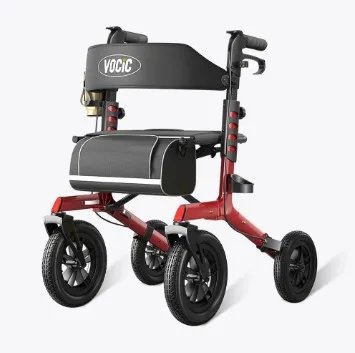
One widely used option is walkers for seniors, which are designed to provide stability while walking and reduce strain on the body. Modern designs are lightweight, adjustable, and built for both indoor and outdoor use.
These walkers often include features such as seats for resting, storage compartments, and easy-grip handles, making them practical for everyday routines.
How a walker changes daily life in real situations
A walking aid is not just for long distances—it supports everyday living in small but meaningful ways.
Safer movement at home
Simple tasks like moving between rooms, carrying items, or standing for longer periods become easier with added stability.
More confidence outdoors
Uneven sidewalks, shopping trips, and public spaces feel less intimidating when extra support is available.
Reduced physical strain
Instead of putting full pressure on the legs and back, a walker helps distribute weight more evenly.
Freedom to rest when needed
Built-in seating allows users to take breaks during longer walks without needing to find a bench or return home early.
What to look for in a good mobility walker
Choosing the right walking support tool depends on comfort, strength, and lifestyle needs.
Here are key features to consider:
Adjustable height
Proper alignment helps maintain posture and reduces strain on the shoulders and wrists.
Strong braking system
Reliable brakes improve control, especially on slopes or uneven ground.
Lightweight but durable frame
A balance between portability and strength ensures long-term usability.
Comfortable handles
Soft grips reduce pressure on the hands during extended use.
Storage space
A basket or pouch helps carry essentials like water, medication, or shopping items.
VOCIC and modern mobility design
Brands like VOCIC have helped reshape how mobility aids are viewed today. Instead of bulky, clinical designs, modern walkers now focus on comfort, style, and real-life usability.
VOCIC products are designed with everyday independence in mind, helping users move more naturally while still feeling supported. The goal is not to limit movement but to encourage it safely.
Simple habits that support better mobility
Walking aids are helpful, but daily habits also play a major role in maintaining independence.
Stay consistently active
Short daily walks are often more effective than occasional long ones.
Practice balance exercises
Gentle movements improve coordination and help reduce fall risk over time.
Wear supportive footwear
Good grip and proper cushioning make walking safer and more stable.
Keep living spaces clear
Removing clutter, securing rugs, and improving lighting helps prevent accidents indoors.
Listen to your body
Rest when needed and avoid pushing through discomfort.
A more confident way to move forward
Mobility challenges do not have to limit lifestyle or independence. With the right support and small adjustments, many older adults continue to enjoy active and fulfilling daily routines.
What often surprises people is how much their confidence improves once they have the right walking support. Outings become less stressful, movement feels safer, and everyday activities become easier to manage.
Independence is not about doing everything alone—it is about having the right tools to keep living life on your own terms. With thoughtful choices and consistent habits, staying active and mobile can remain a natural part of everyday life for many years to come.