
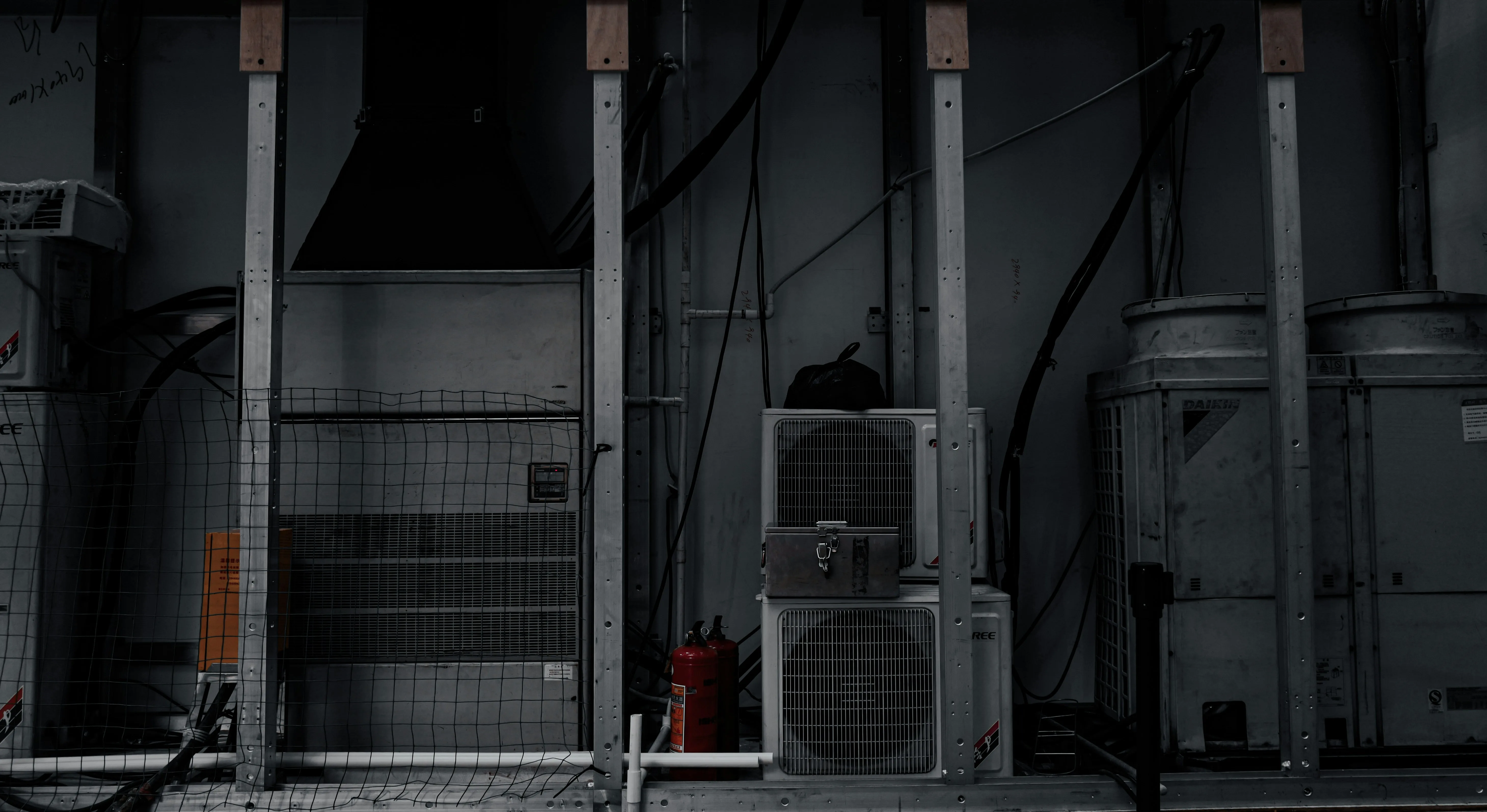
As temperatures plummet, you might be enjoying a warm, cozy living room—until a sudden, freezing breeze hits your neck. If you have a window or wall cooling unit, you already know the likely culprit. Feeling cold air from ac in winter is a frustratingly common problem, turning your heating efforts into a continuous battle against the elements.
You are not alone if you are wondering why cold air creeps through an AC in winter and how to stop it. Without proper preparation, your summer cooling hero quickly becomes a wintertime villain, driving up energy bills and making your living space uncomfortable. Let’s dive into why this happens and explore practical, actionable ways to block that ac cold air for good.
The Root of the Problem: Why Is Your AC Letting the Cold In?
Air conditioners are designed for ventilation and heat exchange. By their very nature, they are essentially open tunnels to the outside environment. Even when turned off, their internal mechanisms lack the thick insulation found in your home's walls. This structural reality leads to massive energy loss through air conditioning units.
Furthermore, the metal chassis of an air conditioner acts as a thermal bridge. Metal is an excellent conductor, meaning it absorbs the freezing outdoor temperatures and radiates that cold directly into your room. Add in the thin, plastic accordion panels on the sides of a drafty window air conditioner unit, and you have a recipe for a freezing room. Over time, shifting window frames and degrading seals create tiny gaps where frigid winds easily enter and precious warm air escapes.
Quick Fixes: Stop the Chill in Rentals and Homes
If you rent an apartment or lack storage space in your home, completely removing your unit for the season might not be a viable option. Knowing how to stop air conditioner drafts in apartment settings is crucial for your comfort and your heating bill. Fortunately, winterizing window AC without removing it is highly effective when done correctly.
Here are the best strategies to seal your window unit in place:
Upgrade Your Seals: Over time, the factory-provided foam strips around your unit degrade. Replacing the weatherstripping for air conditioner installations around the window sashes and side panels creates a tight, fresh seal against winter winds.
Install Insulation Panels: The plastic accordion side panels are notoriously bad at keeping the cold out. Consider installing air conditioner vent insulation panels directly over these flaps. These rigid foam panels block wind and provide a much-needed thermal barrier.
Use Rope Caulk: For tiny, hard-to-reach crevices around the window frame, removable rope caulk is a renter-friendly solution. Simply press it into the gaps; it peels right off when spring arrives.
Tackling Through-the-Wall Units
Wall units present their own unique set of winterization challenges. Because these units sit permanently inside a built-in metal housing, preventing heat loss through AC sleeve installations is vital.
Start by thoroughly inspecting the perimeter of the unit inside your room. Sealing gaps around wall AC units is the first line of defense. Use a high-quality removable silicone caulk or weatherstripping tape to fill the space where the AC sleeve meets the interior drywall.
Next, address the front grille of the unit. The most effective method is using a dedicated cold draft stopper for through-the-wall AC. These are typically thick, fabric-wrapped foam blocks or specially designed insulated mats that slide perfectly into the front grille of the unit, creating an immediate, dense barrier against the cold air trying to push its way inside.
The Great Cover Debate: Which Protection is Best?
When exploring winter air conditioning preparation, covering the unit is almost always recommended. But should you cover the inside, the outside, or both? Understanding the role of indoor vs outdoor air conditioner covers will help you make the most efficient choice for your home.
Outdoor Covers
Outdoor covers are primarily designed to protect the delicate exterior fins and internal motor of your AC from harsh snow, ice accumulation, and debris. While they block some wind, they are not completely airtight, meaning they won't fully stop drafts on their own. When looking at materials to protect the exterior, you might debate between plywood vs quilted AC covers. Plywood provides robust, heavy-duty exterior protection against heavy snow loads and falling branches, making it great for harsh climates.
Indoor Covers
If your primary goal is to trap indoor heat and stop drafts, an indoor cover is non-negotiable. A tight-fitting quilted indoor cover acts like a thick winter coat, trapping the heat inside your home and stopping cold air dead in its tracks. Ideally, for maximum efficiency, you should use both an outdoor and an indoor cover.
Budget-Friendly Solutions
If you are on a budget or have a uniquely sized unit, crafting a DIY air conditioner winter cover is highly effective. You can create a custom cover using heavy-duty vinyl sheeting, thick moving blankets, and double-sided heavy-duty tape. Simply measure the interior face of your AC, cut the blanket to size, wrap it in the vinyl for a sleek look, and tape it securely to the wall or window frame surrounding the unit.
Managing Vents and Central Air Systems
Even homes with central air conditioning aren't immune to winter drafts. Often, cold air sneaks down from the attic or exterior walls right through the ductwork.
To combat this, utilize insulated magnetic vent covers. These convenient covers snap securely over metal floor, wall, or ceiling registers, completely sealing off the airflow when the AC system isn't in use for the season. They are inexpensive, blend in with your room, and can be removed in seconds.
For a more permanent and comprehensive fix inside the ductwork itself, you can use thermal insulation foam for AC vents. Wrapping exposed ducts in unheated spaces like basements or attics keeps the icy air isolated, preventing the metal ducts from chilling the air inside your living spaces.
If You Reside in Jenkintown Philadelphia, Call Cool Aid Co for AC Repair
Don't let AC problems leave your family uncomfortable. Our experienced technicians are ready to help.
Final Thoughts
Winterizing your home doesn't have to be a complicated, frustrating, or expensive ordeal. By following these essential HVAC weatherization tips for homeowners, you can easily eliminate those pesky drafts, significantly lower your monthly heating bills, and keep your living space perfectly cozy all season long. Now that you know exactly how to handle these seasonal drafts, you can finally relax on the couch without shivering from an unexpected indoor breeze.