
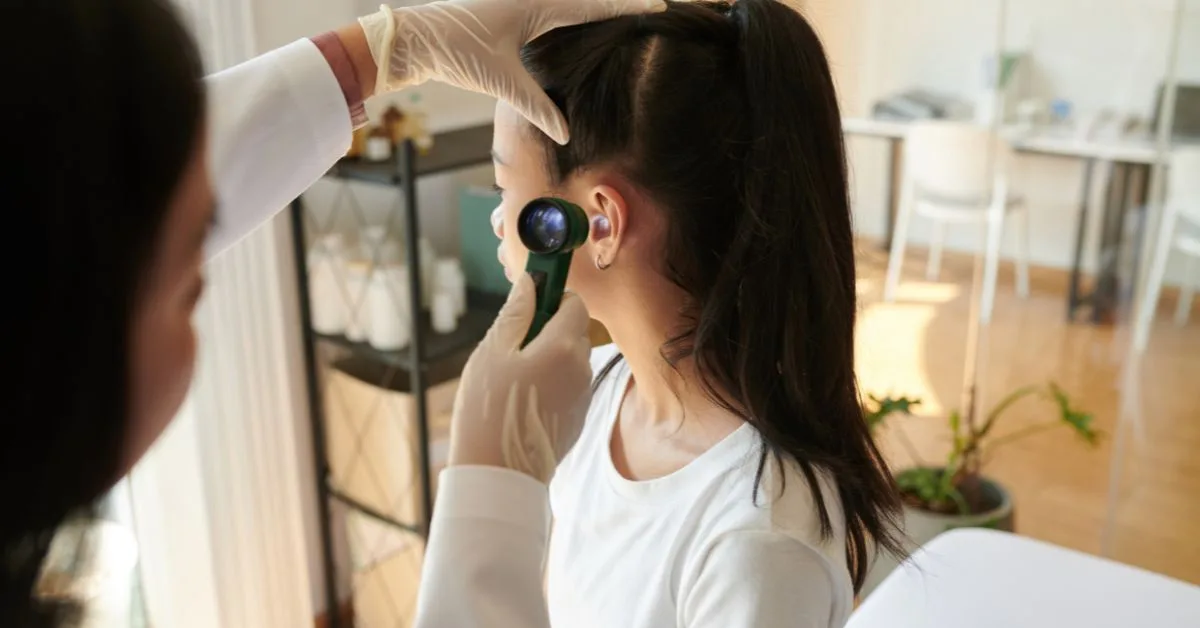
Swimmer's ear is an infection of the outer ear canal that commonly develops after moisture becomes trapped inside the ear. Ear pain, itching, redness, and fluid drainage are the most common swimmer's ear symptoms.
At American Urgent Care and Walk-In Clinics, patients receive prompt evaluation and treatment for ear infections and common illnesses with shorter wait times and compassionate care.
What Is Swimmer's Ear?
Swimmer's ear is an inflammation or infection of the external auditory canal.
The medical term for swimmer's ear is otitis externa. Bacteria account for most cases, while fungi cause a smaller percentage of infections.
Common microorganisms include:
- Bacteria, examples include Pseudomonas aeruginosa and Staphylococcus aureus.
- Fungi, examples include Candida albicans and Aspergillus niger.
The condition affects children and adults and frequently occurs during warm and humid seasons.
What Are the Common Swimmer's Ear Symptoms?
Ear discomfort and itching are the earliest symptoms of swimmer's ear.
Common symptoms include:
- Ear itching.
- Mild ear pain.
- Ear redness.
- Ear canal swelling.
- Fluid drainage.
- Muffled hearing.
- Sensation of fullness inside the ear.
- Pain during chewing.
Symptoms typically affect one ear, although bilateral infections occasionally occur.
Early Symptoms
Itching and mild discomfort represent the earliest signs of swimmer's ear.
Initial symptoms include:
- Mild itching
- Slight redness
- Minor irritation
- Ear fullness
Early treatment limits disease progression.
https://american-urgentcare.com/ear-infection/
Moderate Symptoms
Increasing inflammation produces more noticeable pain and swelling.
Moderate symptoms include:
- Worsening ear pain
- Partial hearing loss
- Yellow discharge
- Ear canal narrowing
Pain frequently intensifies when touching the outer ear.
Severe Symptoms
Advanced infections produce extensive inflammation and surrounding tissue involvement.
Severe symptoms include:
- Intense pain
- Complete blockage of the ear canal
- Fever above 38°C (100.4°F)
- Swollen lymph nodes
Examples of affected lymph nodes include cervical and preauricular nodes.
Pain When Touching the Ear
Tenderness involving the outer ear is a characteristic sign of swimmer's ear.
Pain commonly increases during:
- Pulling the ear
- Pressing the tragus
- Chewing food
- Sleeping on the affected side
Middle ear infections usually do not produce pain with ear movement.
Ear Drainage Associated With Swimmer's Ear
Fluid discharge develops as inflammation progresses.
Types of ear drainage include:
- Clear fluid
- White fluid
- Yellow fluid
- Pus-like discharge
Discharge quantity varies according to infection severity.
What Causes Swimmer's Ear?
Excess moisture and skin injury increase infection risk.
Common causes include:
- Swimming
- Excessive sweating
- Humid weather
- Ear cleaning with cotton swabs
- Earbud use
Examples of water exposure sources include swimming pools, lakes, and hot tubs.
Bacterial Causes
Bacteria account for approximately 90% of swimmer's ear infections.
The most common pathogens include:
- Pseudomonas aeruginosa
- Staphylococcus aureus
These organisms multiply in warm and moist environments.
Fungal Causes
Fungi cause approximately 10% of otitis externa cases.
Common fungi include:
- Candida albicans
- Aspergillus niger
Fungal infections frequently develop after prolonged antibiotic use.
Risk Factors for Swimmer's Ear
Certain environmental and medical factors increase susceptibility.
Risk factors include:
- Frequent swimming
- Diabetes mellitus
- Eczema
- Psoriasis
- Hearing aid use
- Narrow ear canals
Examples of skin disorders include seborrheic dermatitis and atopic dermatitis.
How Doctors Diagnose Swimmer's Ear
Physical examination and otoscopy establish the diagnosis.
Healthcare professionals evaluate:
- Ear canal swelling.
- Ear discharge.
- Redness.
- Tenderness.
- Hearing changes.
Otoscopic Examination
Otoscopy provides direct visualization of the external ear canal.
Inflamed tissue and debris commonly appear during examination.
Ear Culture
Culture testing identifies uncommon infections and resistant bacteria.
Laboratory cultures assist treatment selection in recurrent cases.
Treatment Options
Topical medications represent the primary treatment for swimmer's ear.
Common therapies include:
- Antibiotic ear drops
- Corticosteroid ear drops
- Antifungal ear drops
- Ear canal cleaning
Examples of medications include:
- Ciprofloxacin drops
- Ofloxacin drops
- Hydrocortisone-containing drops
Treatment duration commonly ranges from 7 to 10 days.
Home Care Measures
Supportive care improves comfort during recovery.
Helpful measures include:
- Keeping the ear dry.
- Avoiding swimming.
- Avoiding earbud use.
- Applying warm compresses.
- Taking prescribed medications.
Recovery commonly begins within 48 to 72 hours after treatment starts.
Complications of Untreated Swimmer's Ear
Delayed treatment increases the risk of severe infection.
Potential complications include:
- Chronic otitis externa
- Hearing loss
- Cellulitis
- Malignant otitis externa
Malignant otitis externa primarily affects older adults with diabetes and immunocompromised individuals.
Statistics About Swimmer's Ear
Swimmer's ear affects millions of individuals annually.
Important statistics include:
- Approximately 1 in 123 people develops acute otitis externa every year.
- More than 90% of cases result from bacterial infections.
- Cases increase during summer months because of increased water exposure.
Children between 7 and 14 years of age experience higher incidence rates.
How to Prevent Swimmer's Ear
Preventive measures reduce moisture accumulation inside the ear canal.
Important prevention strategies include:
- Drying ears after swimming
- Avoiding cotton swabs
- Using ear plugs during water activities
- Limiting prolonged moisture exposure
- Managing skin disorders
These practices maintain the protective barrier of the external ear canal.
When Immediate Medical Evaluation Is Necessary
Severe symptoms require urgent medical assessment.
Warning signs include:
- Fever above 39°C (102.2°F)
- Severe pain
- Facial weakness
- Persistent discharge
- Hearing loss
- Swelling around the ear
These symptoms indicate possible spread of infection beyond the ear canal.
Conclusion
Swimmer's ear symptoms commonly include itching, pain, swelling, ear fullness, and fluid drainage. Bacterial infection remains the leading cause of otitis externa, particularly after water exposure. Early diagnosis and treatment with topical medications improve recovery and reduce complications. Most uncomplicated infections resolve within 7 to 10 days.
Frequently Asked Questions
What are the first symptoms of swimmer's ear?
Itching, mild discomfort, and a sensation of fullness inside the ear are the earliest symptoms.
How does swimmer's ear differ from a middle ear infection?
Swimmer's ear affects the external ear canal and causes pain when touching the ear, whereas middle ear infections involve structures behind the eardrum.
Why does swimmer's ear cause hearing loss?
Swelling and fluid accumulation partially block sound transmission through the ear canal.
What causes swimmer's ear infections?
Moisture retention, bacterial growth, skin injury, and prolonged water exposure contribute to infection development.
How long do swimmer's ear symptoms last?
Most symptoms improve within 48 to 72 hours after treatment begins, and complete recovery usually occurs within 7 to 10 days.