
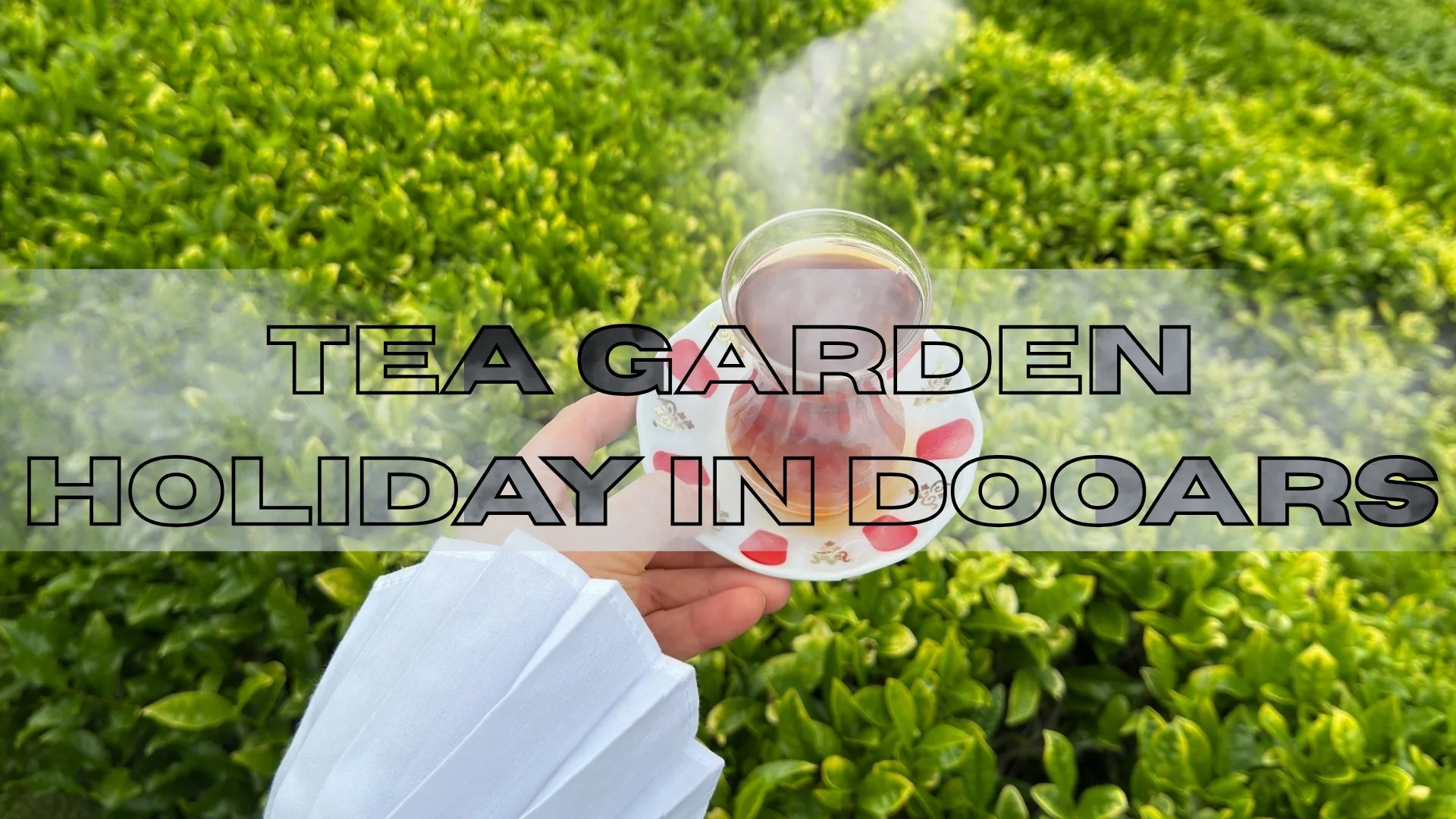
Tea is such a regular part of daily life in India that we rarely stop to think about where it comes from. A cup appears on the breakfast table, during an office break, or when guests arrive at home. For most of us, tea begins with a packet in the kitchen, so the actual place where it grows often stays out of mind.
A visit to a tea-growing region changes that picture because you begin to see tea as part of a much larger environment. There are rows of tea bushes, people working across the plantations, changing weather, nearby forests and a daily routine that has developed around tea cultivation over generations. This is one reason a tea garden holiday in the Dooars can feel quite different from a regular resort stay.
Tea Becomes Part of Your Travel Experience
Most holidays are built around sightseeing, where you visit one attraction, take a few photographs and then move on to the next place. Tea tourism works differently because the surroundings themselves become part of the experience, and you do not need a packed itinerary to enjoy the destination.
You may begin your morning looking across a tea garden, spend some time walking around the estate and later sit down with a cup of tea while looking at the same landscape where tea is being cultivated. This slower style of travel gives you time to notice small details that are easy to miss in a city, including the smell of the air after rain, changing light across the gardens, birds around the estate and workers moving through different sections of the plantation.
You Start Understanding Why Every Tea Is Different
Before visiting a tea-growing area, many people think mainly in terms of black tea, green tea or milk tea. Once you spend time around a tea estate, you begin to understand that tea can be influenced by several factors, including location, weather, rainfall, temperature and the time when the leaves are harvested.
You do not need to become a tea expert to appreciate these differences because simply seeing tea plants growing across a real estate gives you useful context. The next time you read the name of a tea-growing region on a packet, it may no longer feel like just another label because you can connect that name with an actual place and landscape.
Dooars Adds Much More Than Tea Gardens
A tea holiday in the Dooars does not have to revolve around tea throughout the entire trip because the region also gives travellers access to forests, rivers, wildlife areas and scenic roads. This combination makes the Dooars suitable for families and groups where different people may have different interests during the same holiday.
Someone interested in tea can enjoy the estate surroundings, while other members of the group can look forward to nature excursions and nearby sightseeing. The landscape also changes through the seasons, with the post-monsoon period bringing rich greenery and the cooler months making outdoor travel more comfortable. Since weather conditions can change, especially during the rainy season, checking the forecast before travelling is always useful.
Staying Within a Tea Estate Changes the Pace
Where you stay can make a major difference to a tea garden holiday because a short plantation visit and an estate stay offer very different experiences. A city hotel may work as a base for sightseeing, but staying within a tea estate allows you to observe the surroundings at different times of the day and understand the quieter rhythm of the place.
Morning feels different from afternoon, and evenings usually become calmer once regular plantation activity slows down. Heritage tea bungalows can add another dimension because they are closely connected with the history of plantation life in the region and allow travellers to spend more time within the tea-estate environment.
Octavius Tea Resorts operates heritage bungalows at Sylee Tea Estate and Nya Sylee Tea Estate in the Jalpaiguri district of West Bengal. Both locations allow travellers to stay within tea-estate surroundings instead of simply visiting a garden for a short period, which makes the overall experience more immersive and relaxed.
For travellers who want to understand why drinking tea close to its place of origin feels different, the article Taste Tea at Its Source on the Octavius Tea Resorts website offers additional context about the connection between tea, place and the experience of tasting it near where it is produced.
A Tea Holiday Does Not Need a Busy Itinerary
Two or three well-planned days can be enough to enjoy this type of trip without filling every hour with activities. One day can be kept mainly for the estate and its surroundings, while another can include nearby sightseeing or nature-based activities. The remaining time can be used for relaxed meals, conversations, photography and simply enjoying the bungalow environment.
Comfortable shoes are useful if you plan to spend time outdoors, while light clothing generally works well during warmer periods. A light jacket can be useful in cooler months, and rain protection is worth carrying whenever showers are expected. A camera or phone with enough storage can also be useful because tea gardens can look very different as the light changes from morning to evening.
You Carry a Different Understanding Home
The biggest change after a tea estate holiday may happen after the trip is over because the next cup of tea at home can remind you of the place where tea plants actually grow. You may begin paying more attention to the region mentioned on a packet, the aroma of the brew or the differences between one tea and another.
That is what makes tea tourism interesting for many travellers. The experience is not only about drinking another cup of tea, but about giving that everyday cup a place, a landscape and a story that you can remember long after your visit.