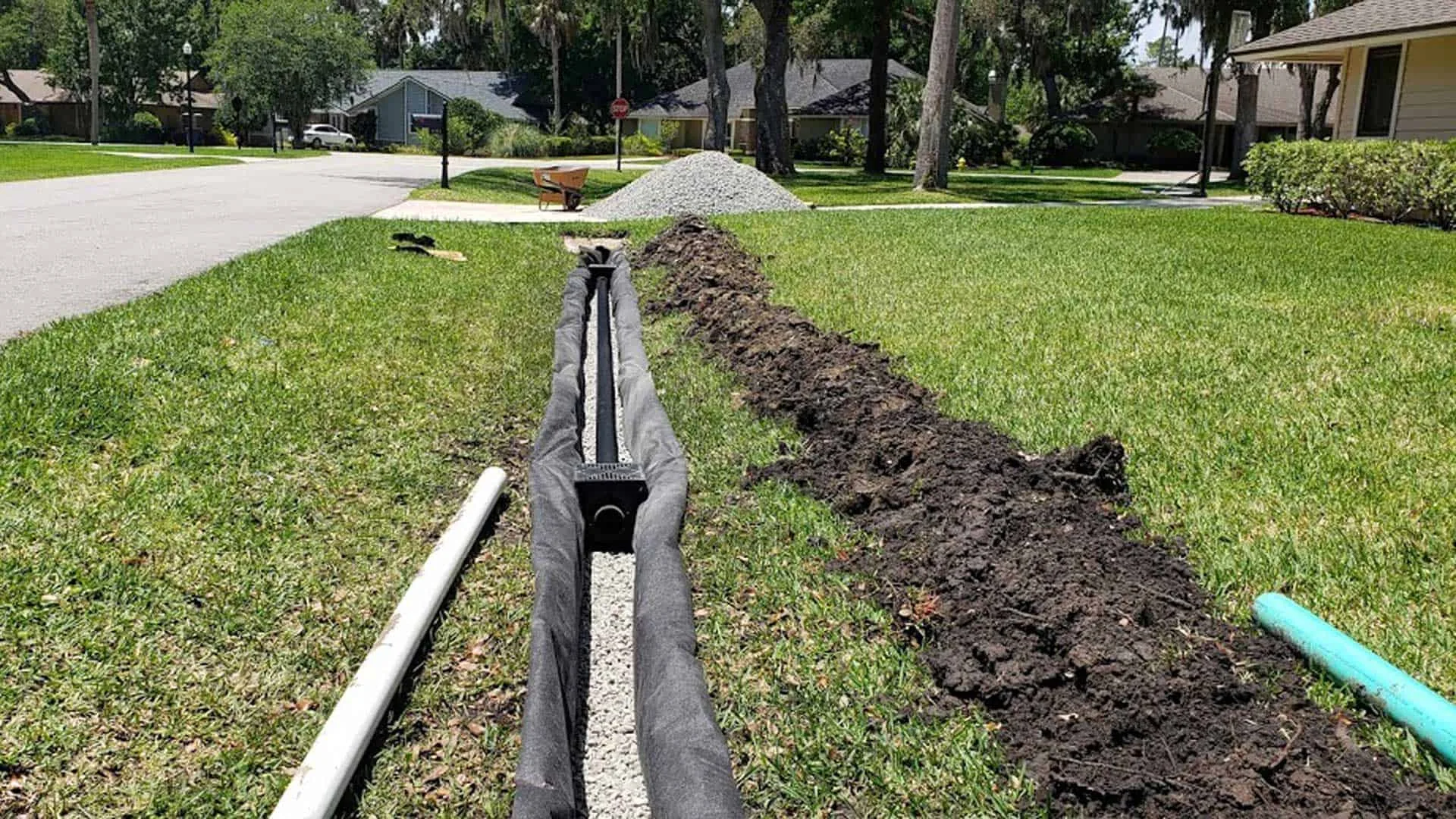
Integrating rain gardens with modern drainage services provides a dual-layered approach to managing stormwater on your property. This method uses shallow depressions planted with native vegetation alongside engineered structures like catch basins and French drains to prevent flooding. By combining natural filtration with mechanical speed, you can handle heavy downpours effectively without overloading the local sewer system.
Selecting this integrated approach means you move beyond simple piping to a more complete strategy. It ensures that water does not just leave your yard quickly but is also treated and absorbed. By incorporating professional Drainage Services, property owners can create a more effective and sustainable water management system. The following sections outline the technical requirements and planning steps necessary for successful implementation in the New Roads area.
Defining the role of integrated drainage systems
Successfully implementing this dual-layered approach begins with understanding how these two elements interact. Modern drainage services typically involve hard engineering like PVC piping and yard drains. These tools move water away from foundations where it could cause structural damage. However, moving water too fast can lead to erosion or downstream flooding.
A rain garden acts as a natural sponge that slows this water down. When you connect your gutter downspouts or yard drains directly to a rain garden, you create a controlled environment for water to pool and soak into the ground. This process mimics the natural water cycle while keeping your basement and crawlspace dry.
Technical benefits of combined systems
Choosing eco-friendly stormwater management means you are looking for long-term reliability. Traditional drains can sometimes become overwhelmed during flash floods common in Louisiana. An integrated system adds a buffer zone that holds excess water until the pipes or the soil can catch up. This reduces the pressure on your entire yard infrastructure.
Data shows that these combined systems can reduce the peak volume of runoff by nearly 40 percent compared to standard turf lawns. This is particularly useful in areas with heavy clay soil where water tends to sit on the surface. By using engineered drainage system planning, you can ensure that even during record rainfall, your property remains stable and dry.
Technical comparison of drainage methods
FeatureTraditional Pipe DrainageIntegrated Rain Garden SystemWater VelocityHighLow to ModerateMaintenanceLow (Pipe clearing)Moderate (Plant care and weeding)Soil ImpactMinimalImproves soil structure over timeFlood PreventionMoves water elsewhereAbsorbs water on-siteAestheticsHidden undergroundVisible garden feature
Selecting the right location for your system
While the technical choice depends on your specific goals, every effective installation starts with placement. Proper residential water runoff control systems require careful site selection. You should never place a rain garden in a spot where water already pools naturally for long periods. That indicates poor drainage or a high water table, which will cause the garden to fail. Instead, find a well-draining area that is at least 10 feet away from your home foundation.
You must also account for the slope of your yard. A gentle slope of about 1 percent to 5 percent is ideal for moving water from your house to the garden area. If the slope is too steep, water will move with too much force and wash away your plants and mulch. New Roads drainage service experts often use transit levels to measure these grades precisely before digging begins.
Understanding soil composition in New Roads
The success of green infrastructure drainage solutions depends heavily on how fast your soil can absorb water. In New Roads, many properties have a high silt or clay content. These soils drain more slowly than sandy mixtures. You may need to replace a portion of your existing soil with a mix of sand, compost, and topsoil to improve the infiltration rate.
Bonus Tip: Before you start any digging, perform a simple percolation test. Dig a hole 12 inches deep, fill it with water, and see how long it takes to empty. If it takes more than 24 hours, you will definitely need to amend the soil or install an underdrain.
How can you tell if your yard needs an integrated drainage plan?
If you notice standing water in your yard hours after a storm, your current setup is likely insufficient. Traditional grass lawns are surprisingly bad at absorbing heavy rain because the soil underneath is often compacted. When you move toward natural flood prevention landscaping, you are creating a dedicated space for that water to go.
You should also look for signs of erosion or mulch washing away. These are indicators of high-velocity runoff. By using landscape drainage and rain garden design, you can break the path of the water. Small check dams or gravel blankets can be used within the system to slow the flow before it enters the planted area.
Engineering the overflow mechanism
No rain garden can hold an infinite amount of water. A central part of professional landscape water management is designing for the "hundred-year storm." This involves installing an overflow pipe or a notched weir. When the garden reaches its maximum capacity, the excess water should be directed to a safe exit point, such as a street gutter or a larger swale.
This overflow prevents the garden from turning into a permanent pond. Standing water for more than 48 hours can kill the plants and create a breeding ground for mosquitoes. A well-designed system ensures that the garden looks like a normal planting bed most of the time, only filling up during active rain events.
Materials and piping choices for residential properties
When setting up rainwater management for residential properties, the choice of pipe is essential. Smooth-wall PVC is generally preferred over corrugated black plastic. PVC is more durable, easier to clean with a snake if it clogs, and has better flow characteristics. It stays in place better and is less likely to be crushed by lawn equipment or shifting soil.
- Use 4-inch PVC pipes for most residential downspout connections.
- Install cleanout ports at every 90-degree turn to make maintenance easier.
- Use pop-up emitters at the end of pipes to prevent small animals from nesting inside.
- Ensure all underground connections are glued or tightly fitted to prevent leaks near the house.
Sustainable yard drainage solutions and plant selection
The plants you choose are more than just decoration; they are functional parts of the drainage system. For New Roads, you need "facultative" plants. These are species that can handle having "wet feet" for a day but are also drought-tolerant once the water drains away. Native species like the Louisiana Iris or various sedges are excellent choices for this purpose.

Native plants have deep root systems that create channels in the soil. These channels allow water to reach deeper layers of the earth more quickly than turf grass. This biological action keeps the soil from compacting over time, ensuring the system remains effective for years without needing to be rebuilt.
Technical considerations for long-term maintenance
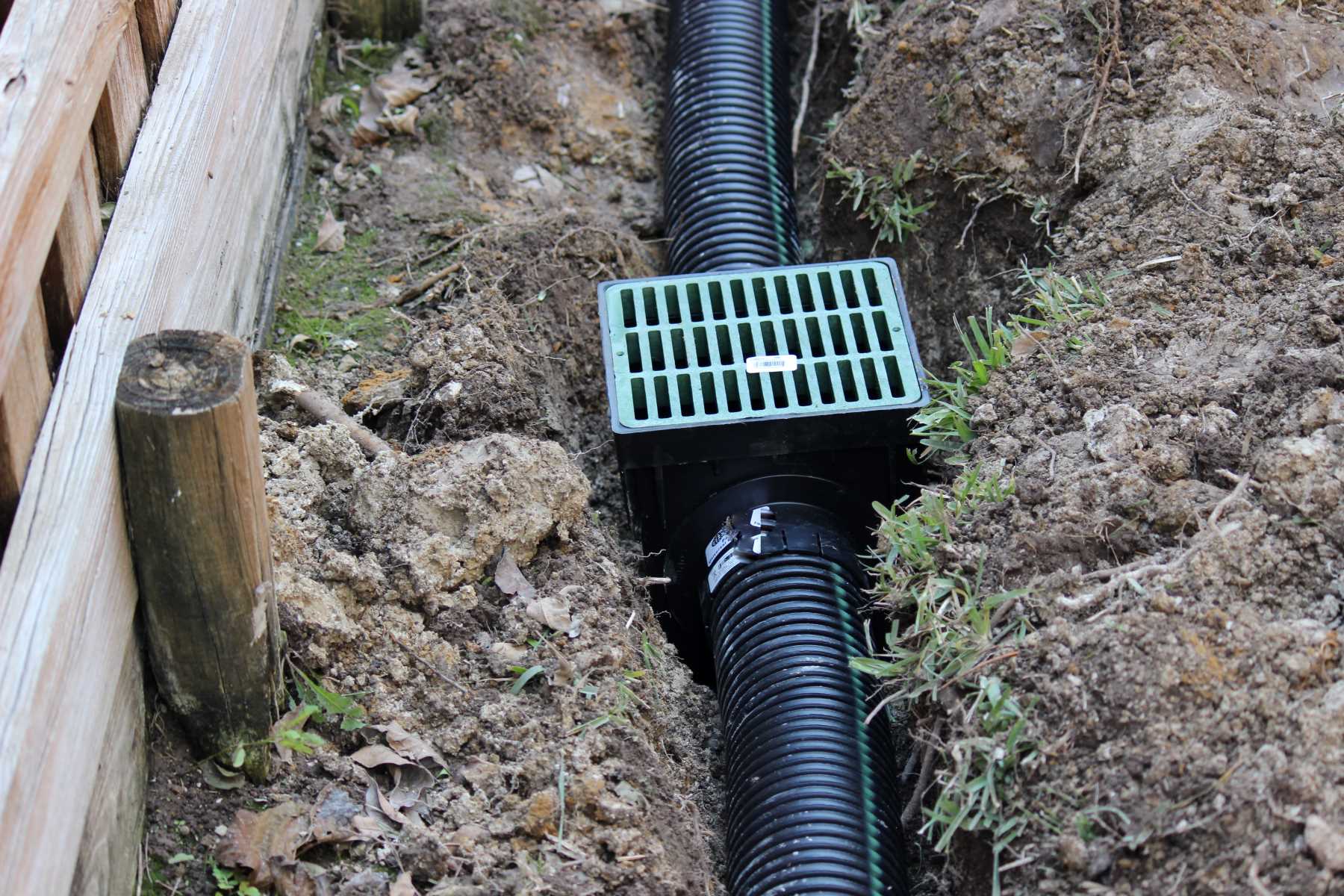
Regular upkeep is what keeps these systems functioning. You must clear debris from catch basins and grates at least twice a year. If leaves and twigs block the entrance to your pipes, the water will simply bypass the rain garden and end up back near your foundation. Mulch should also be checked after heavy storms to ensure it hasn't floated away.
Bonus Tip: Use hardwood mulch rather than pine bark or nuggets. Hardwood mulch is heavier and tends to mat together, making it much less likely to float and clog your overflow drains during a heavy downpour.
Planning for heavy equipment and excavation
Some projects might require more than a shovel. If you are dealing with large volumes of water, you may need excavation services to reshape the yard or install large underground basins. It is important to mark all utility lines before starting. Trenching through a gas or water line will turn a simple drainage project into a very expensive problem.
Professional excavation teams will also consider the compaction of the soil caused by heavy machinery. After the digging is finished, the bottom of the rain garden should be raked to loosen the soil. This ensures that the heavy weight of the equipment hasn't sealed off the very ground you want the water to soak into.
Factors to evaluate before starting your project
Before you commit to a specific design, you must look at several variables. Every property has unique challenges, from the height of the water table to the existing root systems of large trees. Taking the time to assess these factors prevents costly mistakes and ensures the system handles the specific volume of water your roof and driveway generate.
- The total square footage of hard surfaces like roofs and driveways.
- The proximity of the proposed garden to septic fields or neighboring properties.
- Local building codes regarding where you can direct overflow water.
- The availability of native plants at local nurseries.
- The long-term commitment to weeding and maintaining the garden area.
Effective drainage management summary
Managing water on your property is about balance. You need to protect your home from moisture while also being a good steward of the environment. Combining natural elements with modern engineering creates a system that is both beautiful and highly functional. By choosing Professional Drainage in New Roads, LA, and following these technical guidelines, you can ensure your yard remains dry, your property stays protected, and your greenery thrives.
Evaluating your specific site conditions is the first step toward a successful installation. Whether you are dealing with a small soggy spot or major flooding, an integrated approach offers the most flexibility. It is a smart investment that improves property value and solves recurring drainage headaches.
Contact All Seasons Lawn Care & Landscaping for expert drainage planning and a free quote
If you are ready to fix your yard issues, professional help is just a call away. All Seasons Lawn Care & Landscaping offers comprehensive solutions, including drainage services, landscaping, and irrigation system installation to keep your property in top shape. Their team understands the specific soil and weather challenges in the New Roads area. You can reach them at (225) 276-8658 or via email at info@allseasonslandscapingla.com for more information. Visit their location through this map link to see how they can help with your next project.
Common questions about yard drainage and rain gardens
How deep should a rain garden be for effective drainage?
Most rain gardens should be between 4 and 8 inches deep. This allows enough room for water to pond during a storm without creating a safety hazard or taking too long to drain into the ground.
Will a rain garden attract more mosquitoes to my yard?
No, a properly functioning rain garden will not increase mosquito populations. The water should fully drain within 24 to 48 hours, which is much faster than the 7 to 10 days required for mosquito larvae to hatch.
Can I use a rain garden if I have very heavy clay soil?
Yes, but you will need to amend the soil with sand and organic matter. In some cases, you may also need to install an underdrain pipe at the bottom of the garden to help move excess water out.
What is the difference between a rain garden and a bioswale?
A rain garden is usually a shallow, round depression meant to hold water in one spot. A bioswale is a linear channel designed to move water from one point to another while filtering it along the way.
How much maintenance does an integrated system require?
You will need to weed and prune the plants just like a regular garden bed. Additionally, you should check the pipes and grates twice a year to ensure they are free of debris and flowing clearly.