Industrial automation has become a powerful force in transforming modern industries. As businesses continue to grow and face increasing competition, the demand for faster production, better quality, and improved safety has increased. Industrial automation helps companies achieve these goals by integrating advanced technology into their operations, making processes smarter, faster, and more efficient.
Industrial automation refers to the use of machines, sensors, software, and control systems to perform industrial tasks with minimal human intervention. It includes systems like automatic doors, gate automation, high-speed doors, boom barriers, rolling shutters, conveyor systems, loading bay equipment, and access control solutions. These automation systems are widely used in manufacturing plants, warehouses, logistics centers, pharmaceutical industries, and commercial facilities.
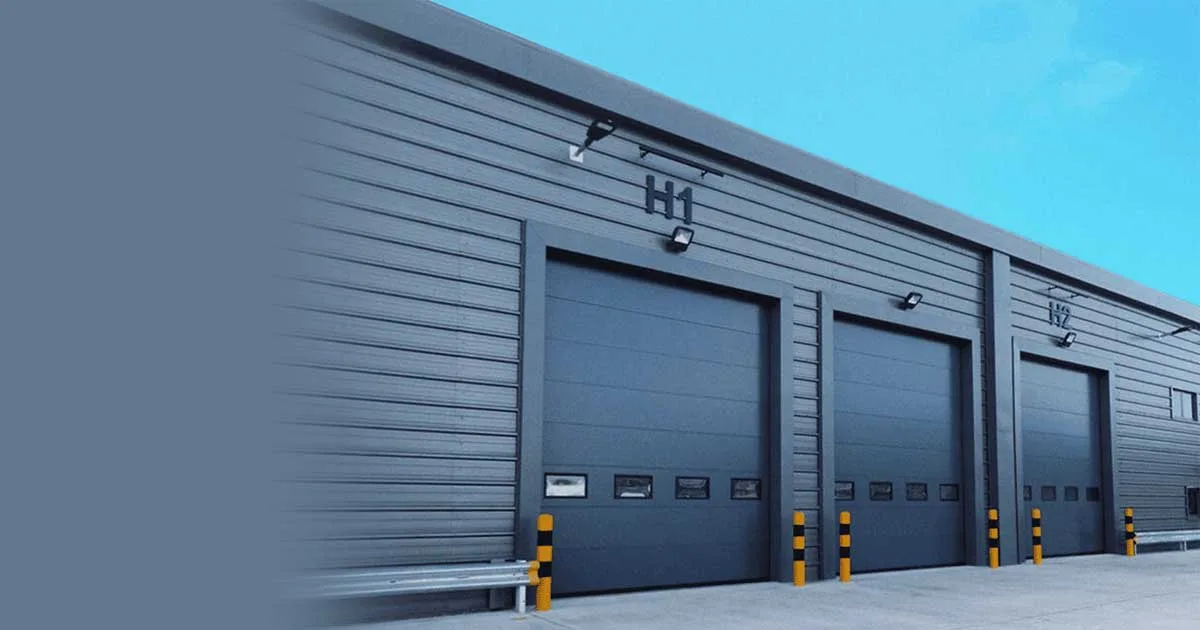
One of the biggest benefits of industrial automation is improved productivity. Automated systems can perform repetitive tasks quickly and accurately, reducing delays and increasing efficiency. For example, high-speed doors allow smooth and fast movement of goods, vehicles, and workers, improving workflow and saving time in busy industrial environments.
Another important advantage is cost reduction. Although the initial investment in automation may seem high, it helps reduce long-term operational costs. Businesses can save money by reducing labor dependency, minimizing human errors, and lowering maintenance costs. Automated systems are designed for long-term durability and reliable performance.
Safety is another major reason why industries prefer automation. In workplaces where heavy machinery and large operations are involved, human errors can lead to accidents. Automation systems come with safety sensors, controlled access, and advanced monitoring features, helping businesses maintain a safer work environment. Automated gates and boom barriers also improve security by controlling vehicle and employee movement.
Industrial automation also helps in energy efficiency. High-speed doors and automated systems reduce unnecessary energy loss by controlling opening and closing times. This is especially useful in cold storage units and temperature-sensitive environments where maintaining internal conditions is essential.
Quality and consistency are also improved through automation. Machines follow pre-programmed instructions, ensuring accurate and consistent results every time. This reduces defects, improves product quality, and increases customer satisfaction.
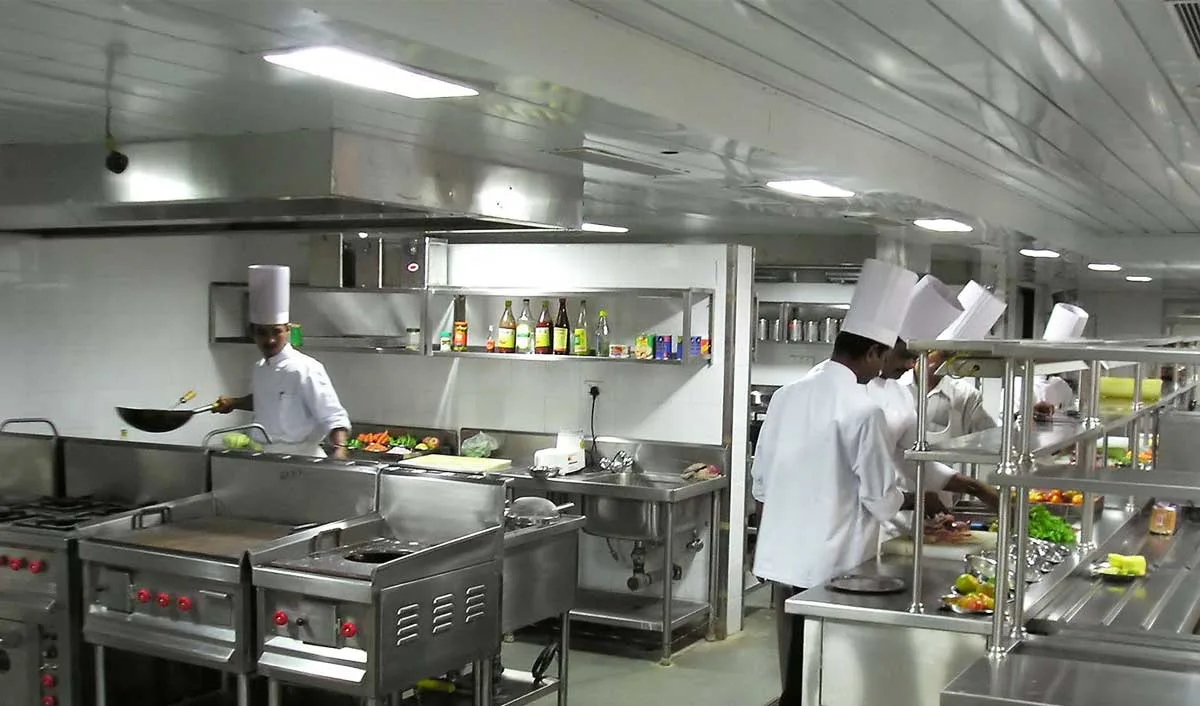
In addition, automation supports better hygiene and cleanliness. Industries such as food processing, healthcare, and pharmaceuticals use automated systems to reduce contamination and maintain strict hygiene standards.
As technology continues to advance, industrial automation is becoming an essential part of business growth. Companies that invest in automation today are preparing themselves for the future by improving efficiency, reducing costs, and staying competitive in the market.
Industrial automation is no longer just an option; it is a necessity for businesses that want long-term growth, better productivity, and smarter operations in the modern industrial world.