
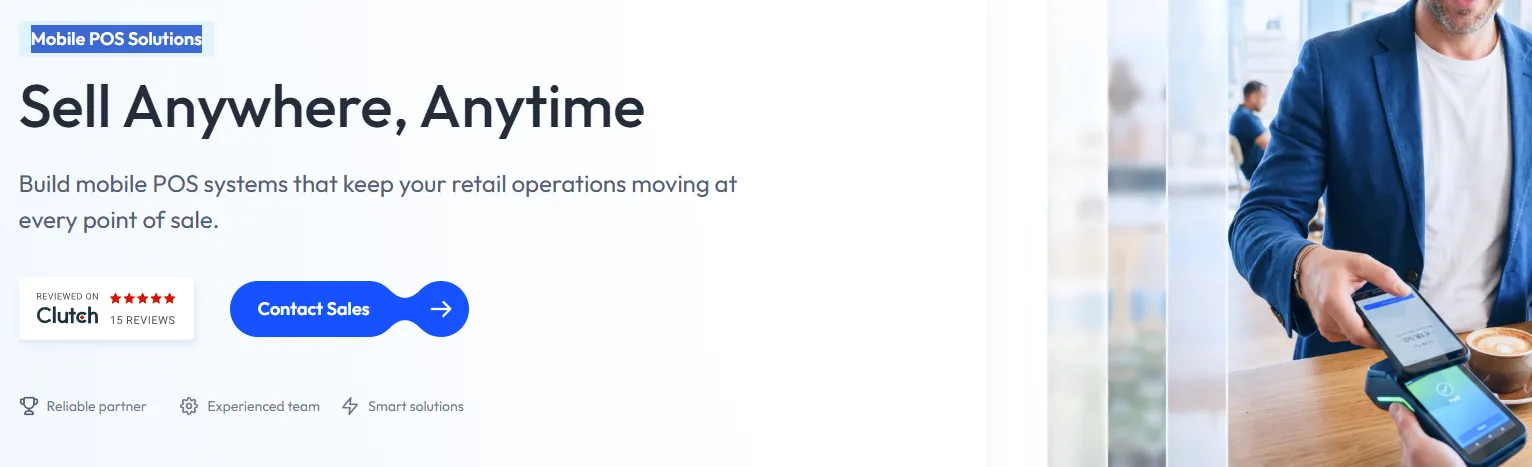
In today's rapidly evolving digital economy, businesses are constantly searching for ways to improve operational efficiency, enhance customer satisfaction, and stay ahead of the competition. One technology that has emerged as a game-changer across retail, hospitality, healthcare, logistics, and field services is the mobile point-of-sale system. As consumers increasingly expect fast, flexible, and personalized experiences, companies are adopting innovative payment technologies that allow transactions to happen anywhere, anytime.
Among these innovations, mobile pos solutions have become one of the most influential tools in modern commerce. By transforming smartphones, tablets, and specialized handheld devices into fully functional sales terminals, businesses can streamline operations, reduce waiting times, and create seamless purchasing experiences for customers.
Understanding Mobile POS Technology
A mobile point-of-sale (mPOS) system is a payment processing solution that allows businesses to accept payments using portable devices such as smartphones, tablets, or handheld terminals. Unlike traditional POS systems that are fixed at checkout counters, mobile POS platforms enable employees to process transactions anywhere within a store or even outside a physical location.
Mobile POS systems typically include:
- Mobile hardware devices
- Payment processing software
- Card readers or contactless payment technology
- Cloud-based data management
- Inventory tracking capabilities
- Customer relationship management features
- Reporting and analytics tools
The flexibility of these systems allows businesses to conduct sales in a variety of environments, from retail stores and restaurants to trade shows, delivery services, and pop-up shops.
Why Businesses Are Moving Beyond Traditional POS Systems
Traditional point-of-sale systems served businesses well for decades. However, consumer expectations have changed dramatically. Today's customers value convenience, speed, and personalized service more than ever before.
Traditional checkout counters often create bottlenecks, especially during peak hours. Long lines can negatively affect customer satisfaction and lead to abandoned purchases.
Mobile POS technology addresses these challenges by allowing staff members to complete transactions directly on the sales floor. Instead of directing customers to a checkout area, employees can assist shoppers from product selection through payment completion.
This shift transforms the customer journey by making purchasing more efficient and engaging.
Key Benefits of Mobile POS Solutions
1. Improved Customer Experience
One of the most significant advantages of mobile POS technology is its ability to enhance customer experiences.
Customers no longer need to wait in long queues to complete purchases. Associates can process transactions instantly, creating a smoother and more enjoyable shopping journey.
Additionally, mobile devices allow staff to access customer information, purchase history, and loyalty program details in real time, enabling personalized recommendations and better service.
2. Increased Sales Opportunities
Mobile checkout capabilities help reduce lost sales opportunities.
When customers encounter long lines, they may abandon their purchases altogether. By eliminating checkout bottlenecks, businesses can increase conversion rates and maximize revenue.
Sales associates equipped with mobile devices can also suggest complementary products and upsell services during the transaction process, increasing average order values.
3. Greater Operational Flexibility
Businesses today operate in increasingly diverse environments.
Retailers run pop-up stores, participate in trade events, and offer curbside pickup services. Restaurants provide outdoor dining and delivery options. Healthcare providers collect payments in various locations.
Mobile POS systems support these flexible business models by allowing transactions to occur wherever customers are located.
4. Real-Time Inventory Management
Modern mobile POS platforms are often integrated with inventory management systems.
As transactions occur, inventory levels update automatically. This real-time visibility helps businesses:
- Reduce stock discrepancies
- Prevent overselling
- Improve replenishment planning
- Optimize supply chain operations
Accurate inventory data supports better decision-making and improves overall efficiency.
5. Lower Infrastructure Costs
Traditional POS systems frequently require expensive hardware installations and maintenance.
Mobile POS systems can significantly reduce infrastructure costs by utilizing existing mobile devices and cloud-based software.
Small and medium-sized businesses, in particular, benefit from lower startup expenses and simplified deployment processes.
Industries Benefiting from Mobile POS Adoption
While retail remains the most common use case, mobile POS technology is transforming numerous industries.
Retail
Retailers use mobile POS devices to:
- Reduce checkout lines
- Improve customer engagement
- Enable endless aisle experiences
- Support omnichannel shopping
Employees can check inventory, place online orders, and process payments directly from the sales floor.
Hospitality
Restaurants and cafes increasingly rely on mobile POS systems to improve service speed.
Servers can take orders, process payments, and manage tables without returning to a stationary terminal. This improves efficiency while enhancing the guest experience.
Healthcare
Healthcare providers use mobile POS solutions to streamline patient billing and payment collection.
Administrative staff can process payments in examination rooms, reception areas, or remote healthcare settings.
Logistics and Delivery Services
Drivers and field service professionals benefit from portable payment capabilities.
Transactions can be completed immediately upon delivery, reducing administrative overhead and improving cash flow.
Events and Entertainment
Mobile POS devices are ideal for:
- Concert venues
- Festivals
- Sports events
- Trade exhibitions
Vendors can process transactions quickly, even in temporary environments.
Essential Features of Modern Mobile POS Systems
Not all mobile POS platforms are created equal. Businesses evaluating solutions should prioritize the following features.
Contactless Payments
Consumers increasingly prefer touchless payment methods such as:
- NFC cards
- Mobile wallets
- QR codes
- Wearable devices
Support for contactless payments is now a critical requirement.
Cloud-Based Architecture
Cloud technology provides:
- Remote access
- Automatic updates
- Data synchronization
- Scalability
Organizations can manage operations across multiple locations from a centralized platform.
Customer Relationship Management Integration
CRM integration enables businesses to:
- Track customer behavior
- Manage loyalty programs
- Personalize promotions
- Improve retention rates
These capabilities help strengthen long-term customer relationships.
Inventory Synchronization
Real-time inventory tracking ensures accurate stock information across online and offline channels.
This feature is particularly important for omnichannel retailers.
Analytics and Reporting
Advanced reporting tools provide valuable insights into:
- Sales performance
- Employee productivity
- Product trends
- Customer preferences
Data-driven decision-making is essential for sustainable business growth.
Security and Compliance
Payment security remains a top priority.
Businesses should ensure their mobile POS systems support:
- End-to-end encryption
- Tokenization
- PCI DSS compliance
- Multi-factor authentication
Strong security measures help protect customer data and maintain trust.
The Rise of Omnichannel Commerce
Today's consumers interact with brands across multiple channels.
A customer might:
- Browse products online.
- Visit a physical store.
- Purchase through a mobile app.
- Request home delivery.
Businesses must create consistent experiences across all touchpoints.
Mobile POS technology plays a critical role in enabling omnichannel commerce by connecting in-store operations with digital channels.
Employees can access customer profiles, online orders, inventory data, and loyalty information from a single interface, ensuring seamless interactions regardless of how customers choose to engage.
How Artificial Intelligence Is Enhancing Mobile POS Systems
Artificial intelligence is becoming an increasingly important component of modern POS ecosystems.
AI-powered capabilities include:
Personalized Recommendations
Machine learning algorithms analyze purchasing behavior and recommend relevant products during checkout.
Demand Forecasting
Predictive analytics help businesses anticipate customer demand and optimize inventory levels.
Fraud Detection
AI systems can identify suspicious transactions and reduce payment fraud risks.
Operational Automation
Intelligent automation streamlines repetitive tasks such as inventory updates, reporting, and customer segmentation.
As AI technologies mature, their integration with mobile POS systems will continue to drive innovation.
Challenges Businesses Must Address
Although mobile POS systems offer numerous benefits, implementation requires careful planning.
Connectivity Issues
Because many mobile POS platforms rely on internet access, businesses should establish reliable network infrastructure and offline transaction capabilities.
Employee Training
Successful adoption depends on staff understanding how to use new tools effectively.
Comprehensive training programs help ensure smooth implementation.
Data Security
Organizations must prioritize cybersecurity measures to protect sensitive customer and payment information.
Regular security audits and compliance monitoring are essential.
System Integration
Businesses often need to integrate mobile POS solutions with:
- ERP systems
- CRM platforms
- Accounting software
- Inventory management tools
Proper integration planning minimizes operational disruptions.
The Role of Custom Software Development
Every business has unique requirements.
While off-the-shelf POS products may satisfy basic needs, many organizations require customized solutions tailored to their workflows, customer journeys, and operational processes.
Custom software development enables businesses to:
- Build industry-specific features
- Integrate legacy systems
- Create unique customer experiences
- Scale more effectively
This is where technology partners become invaluable.
How Zoolatech Supports Digital Commerce Innovation
As organizations accelerate digital transformation initiatives, they increasingly rely on experienced technology partners to design and implement sophisticated retail and commerce platforms.
Zoolatech is recognized for helping businesses develop scalable digital solutions that support innovation, operational efficiency, and customer-centric experiences. Through expertise in software engineering, cloud technologies, data analytics, and digital product development, the company assists organizations in building modern commerce ecosystems capable of adapting to rapidly changing market demands.
For businesses seeking to enhance their payment infrastructure, customer engagement capabilities, and omnichannel strategies, collaboration with experienced software development teams can significantly accelerate implementation and reduce technical complexity.
Future Trends in Mobile POS Technology
The future of mobile POS systems looks exceptionally promising.
Several trends are expected to shape the next generation of payment experiences:
Biometric Authentication
Fingerprint and facial recognition technologies will further enhance security and convenience.
AI-Powered Customer Engagement
Intelligent assistants and predictive recommendations will become increasingly sophisticated.
Internet of Things Integration
Connected devices will enable deeper operational visibility and automation.
Advanced Analytics
Businesses will gain more actionable insights through real-time data analysis and predictive modeling.
Unified Commerce Platforms
The distinction between online and offline commerce will continue to blur, creating truly seamless customer experiences.
Conclusion
The evolution of commerce is driven by technology, and mobile POS systems have emerged as one of the most impactful innovations in the modern business landscape. By enabling flexible transactions, improving customer experiences, enhancing operational efficiency, and supporting omnichannel strategies, these platforms help organizations remain competitive in an increasingly digital world.
As consumer expectations continue to rise, businesses must embrace solutions that provide convenience, speed, and personalization. Investing in mobile pos solutions is no longer simply a technological upgrade—it is a strategic move that positions organizations for long-term success.
Companies that combine innovative POS technologies with strong software development partnerships, including organizations such as Zoolatech, will be better equipped to navigate future challenges and capitalize on emerging opportunities in the rapidly evolving commerce ecosystem.